

UAE worker housing rules: MOHRE mandates free internet, 24-hour clinics and safer living conditions
New standards for worker housing to be effective April, 2026; employers to ensure accommodation meets minimum welfare standards across country

Dubai Desk
The Dubai Desk reports on major developments across the UAE, covering news, culture, business, and social trends shaping the region.
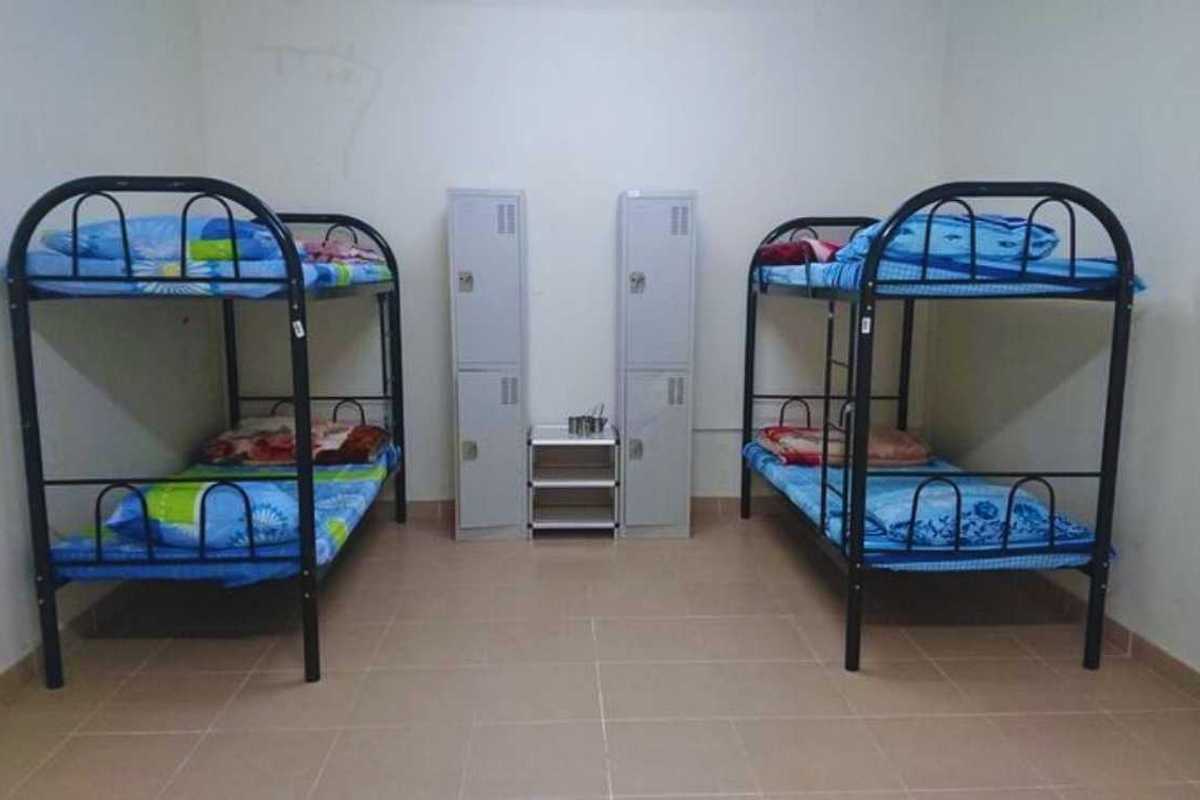
A picture of a room used by laborers for accommodation.
Courtesy: laboraccomodation.ae
The UAE Ministry of Human Resources and Emiratisation (MOHRE) has introduced new standards for worker housing, effective April 2026, requiring free internet access, stricter hygiene measures, and improved safety and medical facilities.
The regulations place greater legal responsibility on employers to ensure accommodation meets minimum welfare standards across the country.
What are the new UAE worker housing rules from MOHRE?
Under the new rules, employers must provide free internet access in all worker accommodation, on-site medical clinics in housing communities of 1,000 or more residents, and enhanced hygiene and safety systems. Workers must also be given proper beds, personal storage, and adequate ventilation. Larger facilities are required to have 24-hour clinics staffed by nurses, doctors, and ambulance services.
What internet and connectivity rights do workers now have?
Free internet access is now mandatory in all worker housing across the UAE. The requirement allows residents to stay in contact with their families and access essential online services. MOHRE has framed connectivity as a core welfare provision rather than an optional amenity.
What medical facilities are required under the new standards?
Housing communities with 1,000 or more residents must operate 24-hour on-site medical clinics, including nursing staff, doctors, and ambulance services. Smaller accommodations are required to maintain first-aid facilities at a minimum. Isolation rooms and disease control plans are also now compulsory across all regulated housing.
What hygiene and safety standards must employers meet?
Facilities must be cleaned daily, with proper waste management, pest control, and sanitation systems in place. Kitchens, bathrooms, and dining areas must meet occupancy-based health standards, and safe drinking water must be provided throughout. Cooking inside individual rooms has been restricted to reduce hygiene and fire risks.
Living quarters must meet clear minimum standards for space, ventilation, air conditioning, and window coverings. Workers must be provided with proper beds, personal storage, clean bedding, and basic furnishings. The rules explicitly require conditions that protect both privacy and physical comfort.
What fire safety and emergency measures are now required?
Employers must implement designated emergency plans, install alarm systems, and conduct regular fire drills in all worker accommodations. Fire safety is treated as a mandatory compliance requirement rather than a recommended practice. MOHRE has introduced a structured violation classification system, with overcrowding, poor ventilation, and lack of clean water categorized as serious risks requiring immediate correction.
How will MOHRE enforce the new worker housing rules?
MOHRE has established a Labour Accommodation System requiring employers to register housing details with the ministry. Strict penalties apply for non-compliance, and regular inspections are built into the enforcement framework. Employers who cannot provide compliant accommodation are required to offer workers a housing allowance instead.
Officials say the measures are designed to create a more stable, respectful, and safe living environment for workers across the UAE. The regulations reflect a broader government focus on raising labor welfare standards as part of the country's ongoing labor market reform agenda.




Comments
See what people are discussing