

UN warns severe funding cuts put 8.3 million refugees at risk of losing vital aid
UNHCR issued a stark warning that severe budget shortfalls could deprive nearly 8.3 million forcibly displaced people of life-saving protection services and basic humanitarian assistance across major displacement zones

News Desk
The News Desk provides timely and factual coverage of national and international events, with an emphasis on accuracy and clarity.
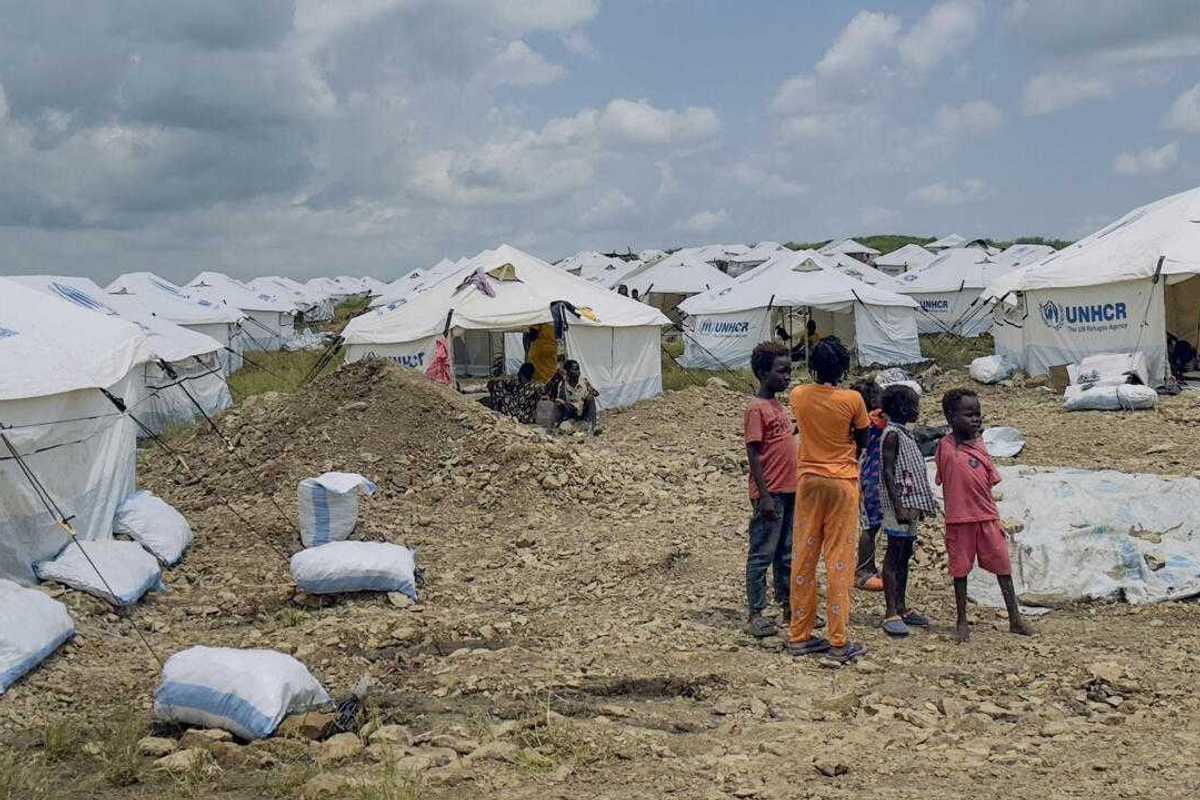
Displaced UNHCR says millions of refugees risk losing vital assistance due to budget cuts.
AFP
The United Nations High Commissioner for Refugees (UNHCR) warned on Tuesday that a worsening global funding shortfall threatens to strip vital assistance from nearly 8.3 million refugees, stateless individuals, and internally displaced persons worldwide.
How severe is UNHCR's current funding gap?
According to a detailed report from the Geneva-based agency, UNHCR needs $8.5 billion in 2026 to maintain basic protection and assistance programs for historically high numbers of displaced people. However, by the end of July, the agency had received only $2.7 billion—just 32 percent of its target funding—leaving a $5.8 billion operational gap.
The agency's available funding declined sharply from $5.2 billion in 2024 to $3.9 billion in 2025, driven primarily by significant cuts to foreign aid budgets by traditional leading donors, including the United States, alongside broader fiscal tightening across European nations. In response to reduced revenue, UNHCR eliminated nearly 5,000 positions in 2025, cutting over a quarter of its global workforce.
What specific regions and services are most impacted by the budget cuts?
UNHCR External Relations Director Dominique Hyde cautioned that prolonged cuts are pushing refugee protection infrastructure toward systemic collapse, warning that below critical thresholds, essential services simply stop functioning.
Al-Monitor highlighted severe operational impacts across multiple crisis zones:
- Chad & Ethiopia: In Chad, 319,000 refugees face severe registration delays, while 233,000 children risk losing dedicated protection services. In Ethiopia, child protection programs in certain areas have shrunk by up to 85 percent.
- Sudan & Syria: Tens of thousands of sexual violence survivors and vulnerable children in Sudan face losing access to essential medical and psychosocial support. In Syria, 162,500 vulnerable internally displaced persons and returnees face delays in receiving essential reintegration grants.
- Iraq: Up to 350,000 refugees and asylum seekers in Iraq face the loss of economic inclusion initiatives designed to transition communities off emergency humanitarian aid.
Despite a slight decrease in total forcibly displaced persons to 117.8 million at the end of 2025, UNHCR highlighted that refugee numbers remain elevated, with two-thirds originating from Venezuela, Ukraine, Syria, Afghanistan, and Sudan.




Comments
See what people are discussing