

US again denies Palestinian President Mahmoud Abbas visa for UN General Assembly
United States denied Palestinian President Mahmoud Abbas and Palestinian Authority officials entry visas to attend the upcoming UN General Assembly in New York, citing failure to reform and unilateral efforts at international courts

News Desk
The News Desk provides timely and factual coverage of national and international events, with an emphasis on accuracy and clarity.
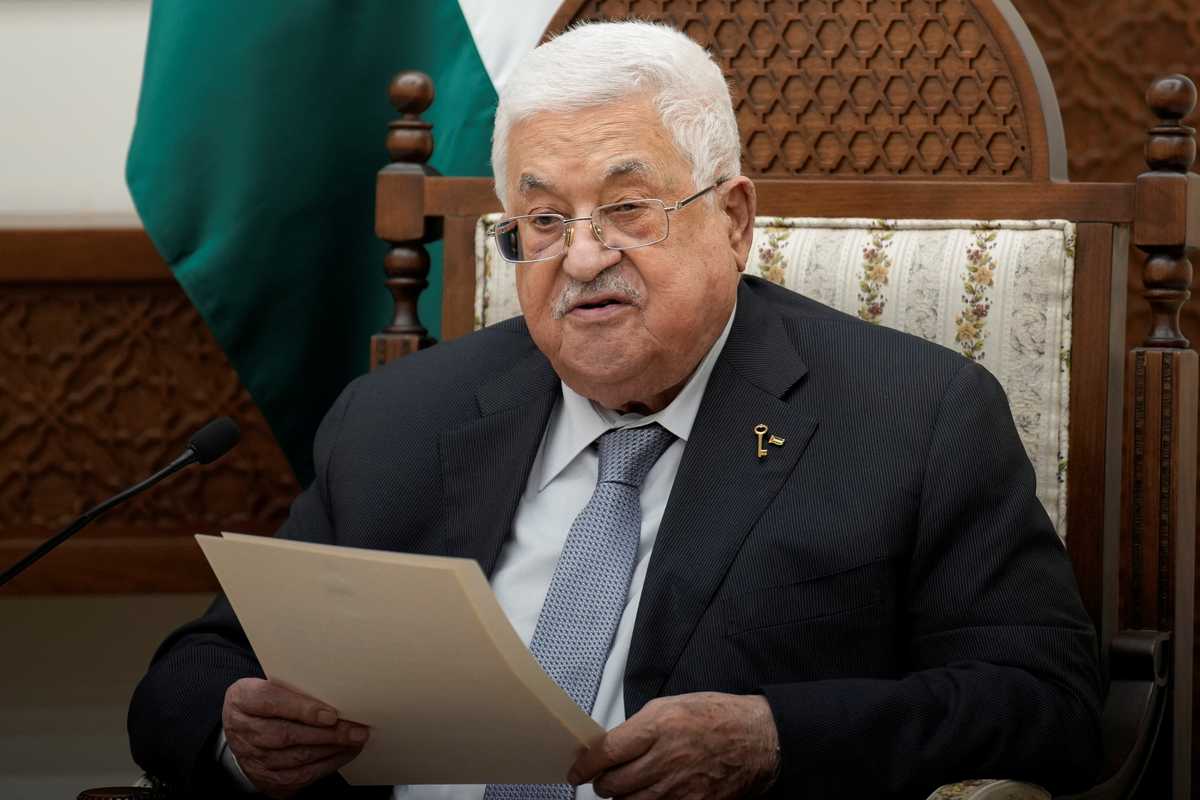
The United States has denied an entry visa to Palestinian Authority (PA) President Mahmoud Abbas, preventing him from attending the 81st United Nations General Assembly high-level debate in New York next week, a source familiar with the matter confirmed Wednesday.
Why did the US deny visas to Mahmoud Abbas and PA officials?
In an official statement released Wednesday, the US Department of State announced sweeping visa restrictions targeting members of the Palestine Liberation Organization (PLO) and the Palestinian Authority (PA).
While the public statement did not explicitly mention Abbas by name, a senior official confirmed to journalists that the Palestinian president was covered by the measure.
According to The New York Times, the State Department defended the decision by outlining specific diplomatic and policy grievances; Washington stated that the PA and PLO had failed to meet structural reform commitments outlined in prior bilateral agreements with the United States.
The US accused Palestinian leadership of bypassing direct negotiations by pursuing cases against Israel at the International Criminal Court (ICC) and International Court of Justice (ICJ).
The statement cited ongoing campaigns to secure unilateral statehood recognition within international organizations, alongside the continuation of stipend payments to families of individuals convicted by Israel of security offenses.
How does this decision impact diplomatic relations and the UN Assembly?
The visa denial marks the second consecutive year the Trump administration has blocked Abbas from physically traveling to UN headquarters in Manhattan, following a similar ban imposed in 2025 that forced the Palestinian leader to address global leaders via pre-recorded video.
The move highlights growing diplomatic friction between Washington and the international community. During last year's General Assembly session, 142 UN member states—co-led by France and Saudi Arabia—endorsed full recognition of a Palestinian state.
The decision comes amid escalating violence in the occupied West Bank, where Palestinian health ministry figures indicate at least 1,109 Palestinians have been killed by Israeli forces or settlers since October 2023.
Meanwhile, ongoing military operations in Gaza have resulted in over 73,700 deaths, according to health authorities in the enclave. Human rights advocates and UN diplomats cautioned that denying physical access to Palestinian representatives at the UN risks further isolating diplomatic channels during a period of heightened regional conflict.




Comments
See what people are discussing