

US and Iran exchange threats as heavy strikes intensify Middle East escalation and Hormuz standoff
U.S. President Donald Trump and Iranian security officials exchanged sharp threats following overnight airstrikes in southern Iran—including a strike in Sirik that hit a wedding ceremony

News Desk
The News Desk provides timely and factual coverage of national and international events, with an emphasis on accuracy and clarity.

Washington and Tehran exchanged escalatory threats on Wednesday, following some of the heaviest exchanges of fire in weeks across the Middle East.
U.S. President Donald Trump confirmed that American forces executed a "very heavy attack" on Iranian targets overnight and warned that Washington remains prepared to launch further strikes at any time, while Iranian officials vowed a "new strategy" to counter U.S. military operations and economic blockades six months into the war.
What is Iran's "new strategy" and how did officials react to the Sirik wedding strike?
Speaking on social media, Supreme National Security Council Secretary Mohsen Rezaei stated that Iran has adopted a revised operational approach, warning that Tehran's "new strategy on the battlefield, in diplomacy, and in confronting the economic blockade will shatter" Western foundations. The statement followed Iranian military strikes targeting U.S. positions in Jordan, the United Arab Emirates, Kuwait, Bahrain, and Iraqi Kurdistan.
Kuwait’s military said on Thursday it was intercepting missiles and drones launched by Iran as Tehran targeted U.S. allies across the Middle East.
Tensions flared further following an overnight U.S. airstrike in Sirik, Hormozgan province, which Iranian authorities say hit a residential home hosting a wedding ceremony. According to CBS News and The Guardian, the Iranian Red Crescent confirmed four people were killed, including a young child, and over 50 were injured.
Foreign Ministry spokesman Esmaeil Baqaei called the incident a "brutal" war crime, while top negotiator Mohammad Bagher Ghalibaf sharply criticized Washington on social media.
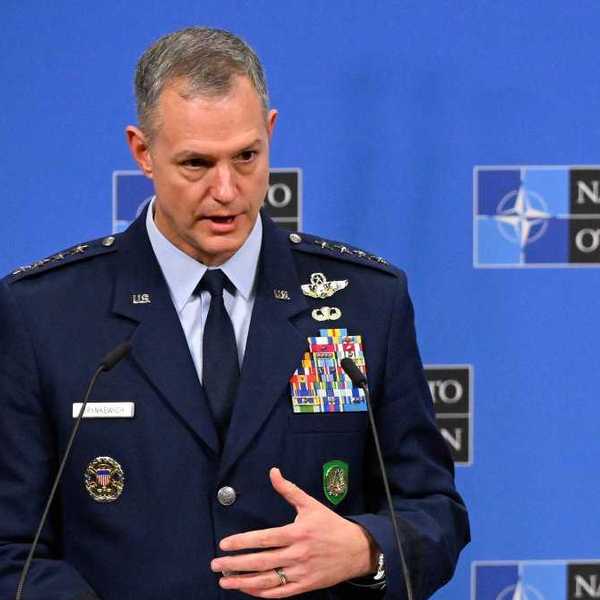
In response, U.S. Central Command (CENTCOM) spokesman Captain Tim Hawkins emphasized that "the U.S. military never targets civilians," asserting that US operations focused strictly on IRGC air defense systems, mine-laying capabilities, and communication sites.
How are energy markets and US economic policy reacting to the Hormuz impasse?
Six months after the conflict began in late February, the Strait of Hormuz remains effectively closed, choking off a critical corridor for global oil supplies. U.S. Energy Secretary Chris Wright pledged on Wednesday that the administration is implementing "maximum pressure" economic policies, expanding secondary sanctions against international partners doing business with Tehran.
Simultaneously, President Trump sparked international discussion after floating a proposal on Truth Social to rename the Strait of Hormuz as the "Trump Strait" now that U.S. naval forces maintain active enforcement in the area.
CENTCOM confirmed that U.S. Navy assets disabled three vessels and boarded two others to enforce the maritime blockade. Meanwhile, regional allies expressed concern over the broadening conflict; Israeli Defense Minister Israel Katz announced that Israel is prepared to respond "with great force" should Iranian forces launch direct attacks against Israeli territory during the upcoming Jewish high holiday season in mid-September.




Comments
See what people are discussing