

US Congress weighs measures to limit Trump’s war powers
Lawmakers express concern over Trump’s Iran strikes, while some Republicans warn support may waver

News Desk
The News Desk provides timely and factual coverage of national and international events, with an emphasis on accuracy and clarity.
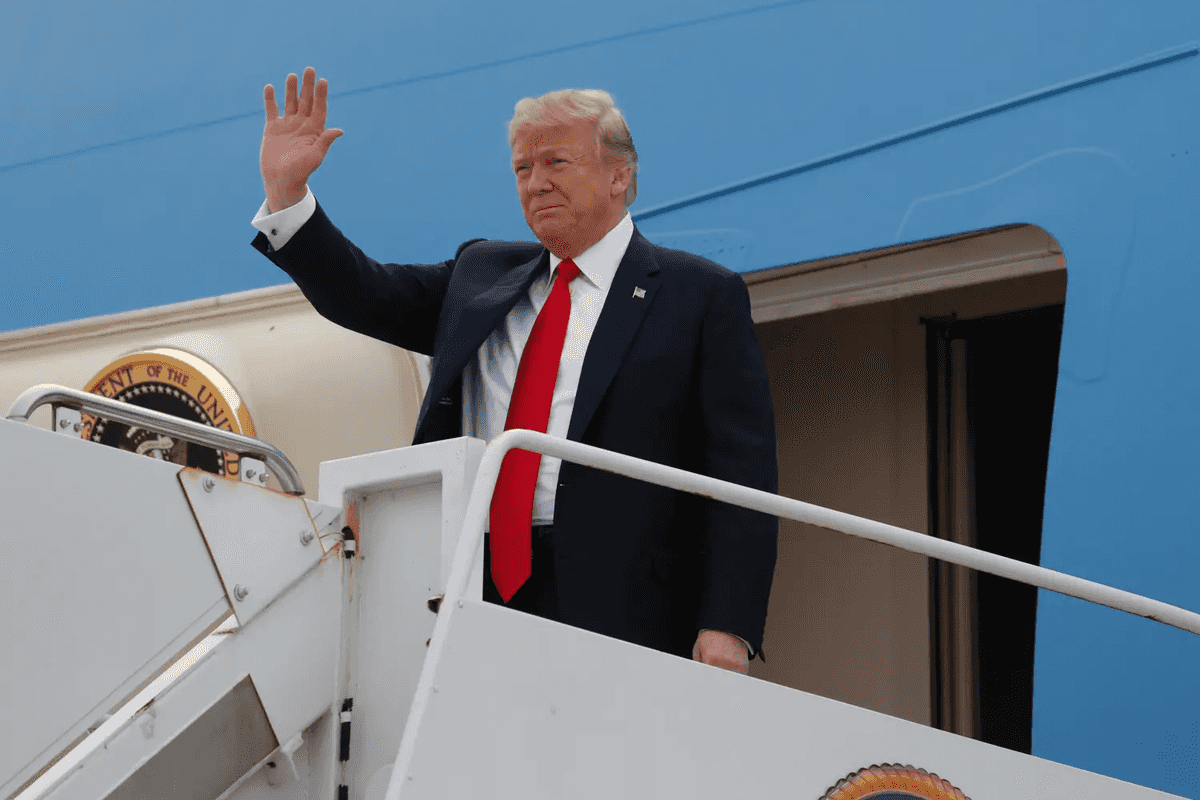
Congress considers a measure under the 1973 War Powers Act to limit prolonged military action.
Reuters/File
Members of the U.S. Senate and House of Representatives are considering measures aimed at curbing President Trump’s authority to continue military operations in Iran without explicit congressional approval, US media reported.
The moves follow growing concern among lawmakers over the administration’s unilateral strikes, which many Democrats say were launched without a clear, consistent rationale or evidence of an imminent threat. Republicans remain largely supportive but some have indicated their backing could waver if the conflict escalates or becomes prolonged.
The measure under consideration invokes the 1973 War Powers Act, which legally requires the president to seek congressional authorization if military action extends beyond 60 days. In the House, lawmakers including Josh Gottheimer, Jared Moskowitz, and Greg Landsman are proposing an alternative measure that would give the president 30 days to wind down operations before requiring approval, reflecting a compromise approach aimed at reining in executive action while maintaining flexibility for ongoing operations.
The debate in Congress comes after a series of classified briefings with top administration officials, including Secretary of State Marco Rubio and Gen. Dan Caine, chairman of the Joint Chiefs of Staff.
Democrats described the briefings as unsatisfactory, saying the administration offered shifting explanations for the strikes. Senator Chuck Schumer, the Democratic minority leader, criticized the administration for providing “different answers every day” regarding the rationale behind the airstrikes on Tehran.
Representative Pramila Jayapal of Washington said no new evidence of an imminent threat had been presented, while Representative Sara Jacobs of California called the explanations “incoherent,” particularly regarding Israel’s role in timing the strikes.
Republicans largely defended the administration’s actions. Senator Lindsey Graham praised the strikes, asserting that previous presidents had been hesitant to act against Iran, while Speaker Mike Johnson and other GOP leaders cited the growing Iranian missile program and the potential risk to U.S. troops.
Some Republican lawmakers, however, including Representatives Nancy Mace and Dusty Johnson, indicated that their support could shift if U.S. forces were deployed on the ground or if the conflict expanded beyond airstrikes. Senator Josh Hawley echoed that he would vote against the resolution for now but might reconsider if U.S. engagement deepened.
President Trump and his administration have offered multiple justifications for the operation. Rubio initially linked the timing to an Israeli attack and the risk of retaliation against U.S. forces but later framed the threat as Iran’s expanding weapons arsenal. Trump, in a legally mandated letter to Congress, described the strikes as necessary to protect national interests and to neutralize Iran’s malign activities globally, a rationale that appeared to differ from some officials’ earlier statements.
The Senate vote is expected on Wednesday, with a corresponding House vote on Thursday. While both resolutions are likely to fail due to near-unanimous Republican opposition, the debates highlight deep bipartisan anxiety about the president’s decision to launch what has been described as a potentially open-ended conflict in the Middle East.
Democrats, such as Senator John Fetterman, remain firmly opposed to granting continued executive authority, underscoring the ongoing tension between legislative oversight and presidential war powers.




Comments
See what people are discussing