

US House passes sweeping Russia sanctions bill authorizing 100% secondary tariffs on Russian oil buyers
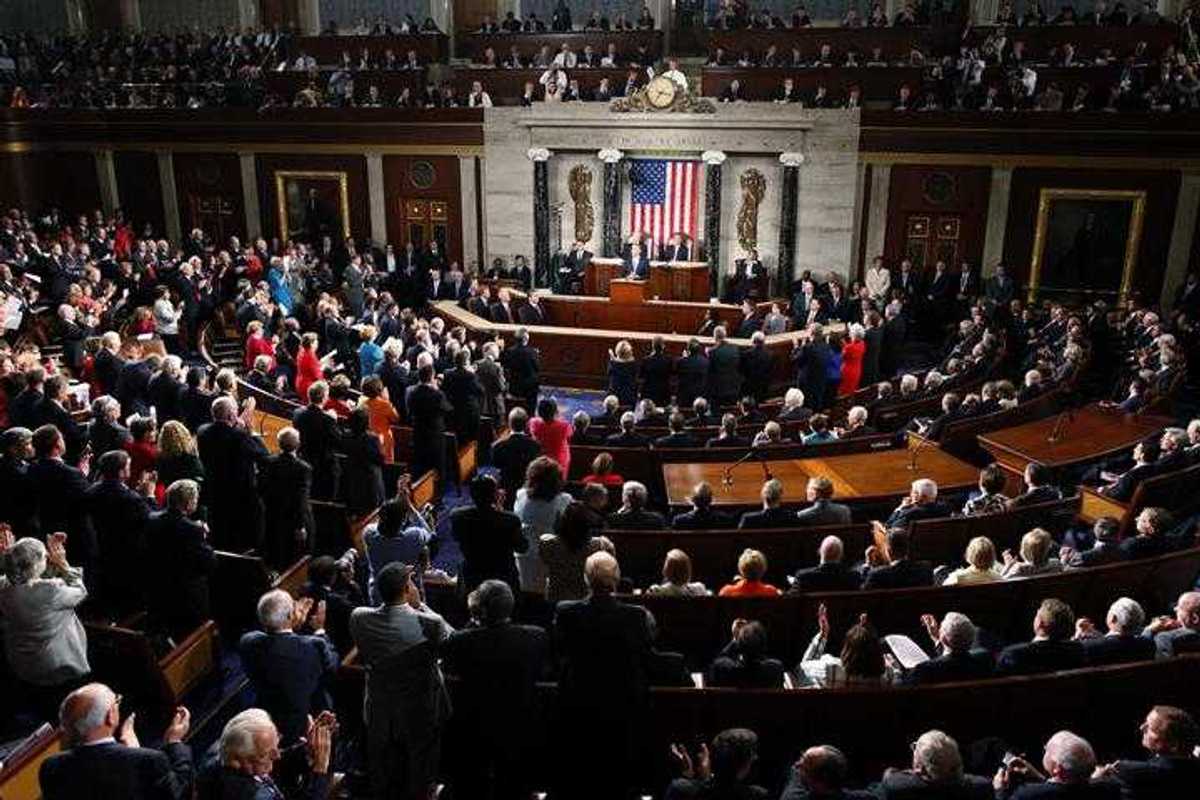
US House of Representatives passed the Russia and Iran Act of 2026 by a 262–159 vote, sending landmark legislation to President Donald Trump that targets Moscow's energy sector, shadow fleet, and major energy buyers like China and India

News Desk
The News Desk provides timely and factual coverage of national and international events, with an emphasis on accuracy and clarity.
A bipartisan bill will soon be introduced in the US Senate to set up duty-free export zones along the Pak-Afghan border, says a senior US lawmaker.
Reuters
The US House of Representatives voted 262–159 on Wednesday to pass a broad Russia sanctions package, delivering the most significant legislative effort to squeeze Moscow's war economy since President Donald Trump returned to office.
The legislation, titled the Lindsey O. Graham Sanctioning Russia and Iran Act of 2026, was sent to the White House following an 86–11 approval in the Senate last month.
What measures are included in the Lindsey O. Graham Sanctioning Russia Act?
The comprehensive legislative package targets Russia's defense apparatus, energy infrastructure, and state-backed financial institutions:
- Targeting Russia's War Machine: Imposes mandatory sanctions against Russian President Vladimir Putin, senior military and political officials, state-owned enterprises, and major financial entities.
- Cracking Down on Shadow Fleets: Establishes strict sanctions against foreign entities and dark-fleet tankers used by Moscow to circumvent Western price caps on oil deliveries.
- 100% Secondary Tariff Powers: Grants the US President authority to levy tariffs of up to 100 percent on imported goods from the top five global purchasers of Russian oil and natural gas—a provision directly affecting major importers such as China and India.
According to reporting by Channel NewsAsia and NPR, the measure honors the late Republican Senator Lindsey Graham, who championed the legislation prior to his death in July 2026.
Why did the secondary tariff provision trigger debate in Congress?
While lawmakers overwhelmingly supported penalizing Moscow, the inclusion of expanded executive tariff authority produced an unusual split in the House. Top House Foreign Affairs Committee Democrat Gregory Meeks labeled the bill "deeply flawed," contending that the text was drafted by White House attorneys to maximize presidential discretion over import taxes while minimizing mandatory enforcement against sanctions evaders.
Despite efforts by some Democrats to strip the secondary tariff clause, 58 House Democrats joined the Republican majority to advance the bill just before Congress adjourned for the upcoming November midterm election campaign recess.
Ukrainian President Volodymyr Zelensky and international energy advocacy groups welcomed the bill's passage, calling for rapid White House signature and aggressive enforcement to choke off funding to the Kremlin's war chest.




Comments
See what people are discussing