

US-Iran war raises credit risks for emerging markets, Fitch says
Energy prices, funding conditions and supply chains seen as key transmission channels

Business Desk
The Business Desk tracks economic trends, market movements, and business developments, offering analysis of both local and global financial news.
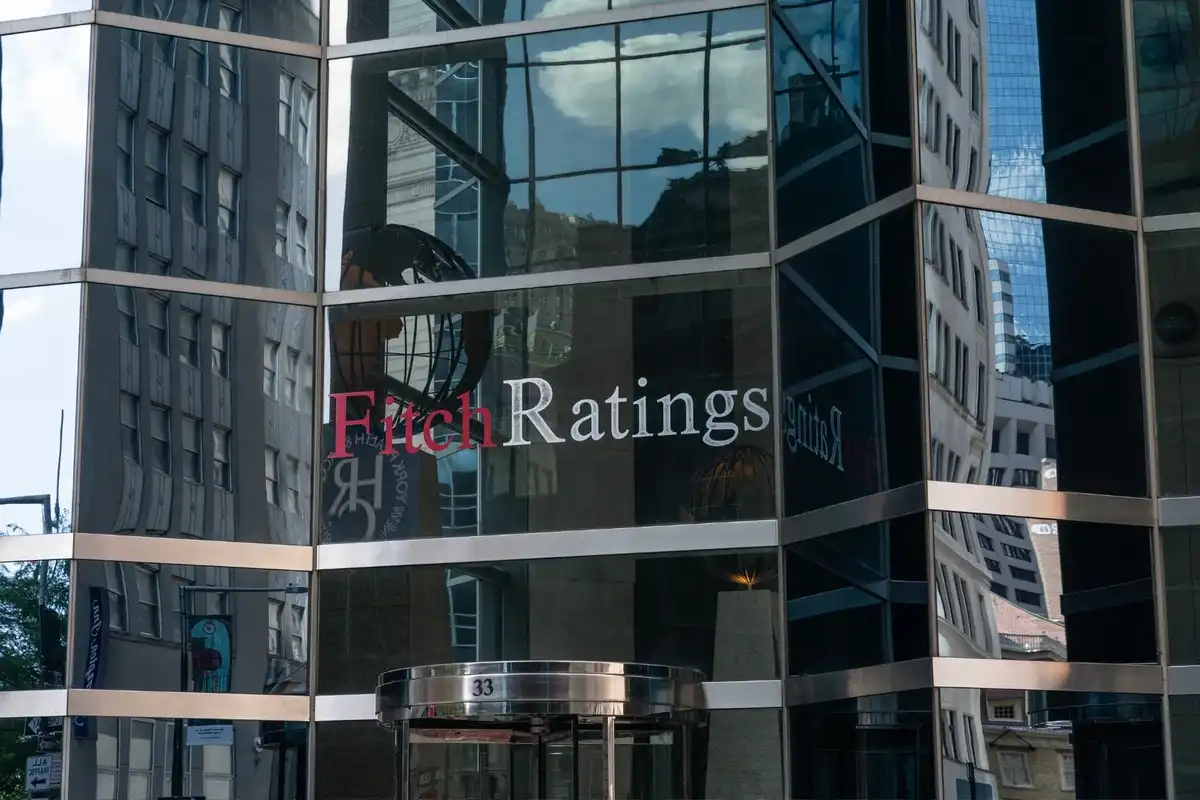
The U.S.-Iran war is increasing credit risks for some emerging market issuers through higher energy prices, weaker currencies and tighter financing conditions, Fitch Ratings said in a report released Thursday.
Key transmission channels include more volatile energy prices, exchange rate pressures against the U.S. dollar, tighter international funding conditions, supply-chain disruptions and slower economic growth.
The extent of the impact will depend on how the conflict evolves and is resolved, although it is already affecting directly exposed issuers, Fitch said.
Gulf resilience and risks
Most Gulf Cooperation Council sovereigns have remained resilient so far, supported by alternative export routes, strong net foreign asset positions and potential external support.
However, Fitch placed Qatar’s ‘AA’ rating and Ras Al Khaimah’s ‘A+’ rating on Rating Watch Negative, citing longer-term uncertainties related to regional security and the business environment.
The agency also lowered its baseline 2026 growth forecasts for GCC sovereigns whose hydrocarbon exports pass through the Strait of Hormuz.
Sector pressures
In an adverse scenario of prolonged conflict, higher oil prices, weaker global growth and tighter financing conditions could increase pressure on several sectors, Fitch said.
Asia-Pacific oil refiners would be affected due to their reliance on Middle Eastern crude, while chemicals sector issuers in the GCC, Europe and Asia-Pacific could face higher feedstock costs and further supply-chain disruptions.
Airlines in emerging markets with hubs in countries directly affected by aviation disruptions would be among the most exposed.
Banking sector outlook
Fitch said refinancing and liquidity risks could rise for GCC banks in a downside scenario.
However, banks in the region are largely deposit-funded, and authorities are expected to provide strong support if needed. Most bank issuer default ratings in the GCC are driven by expectations of government support.





Comments
See what people are discussing