

US strikes Iran for third night as Trump says deal still possible
US strikes Iran for a third straight night as Trump says a deal with Tehran remains possible despite fresh Gulf attacks and rising oil prices

News Desk
The News Desk provides timely and factual coverage of national and international events, with an emphasis on accuracy and clarity.
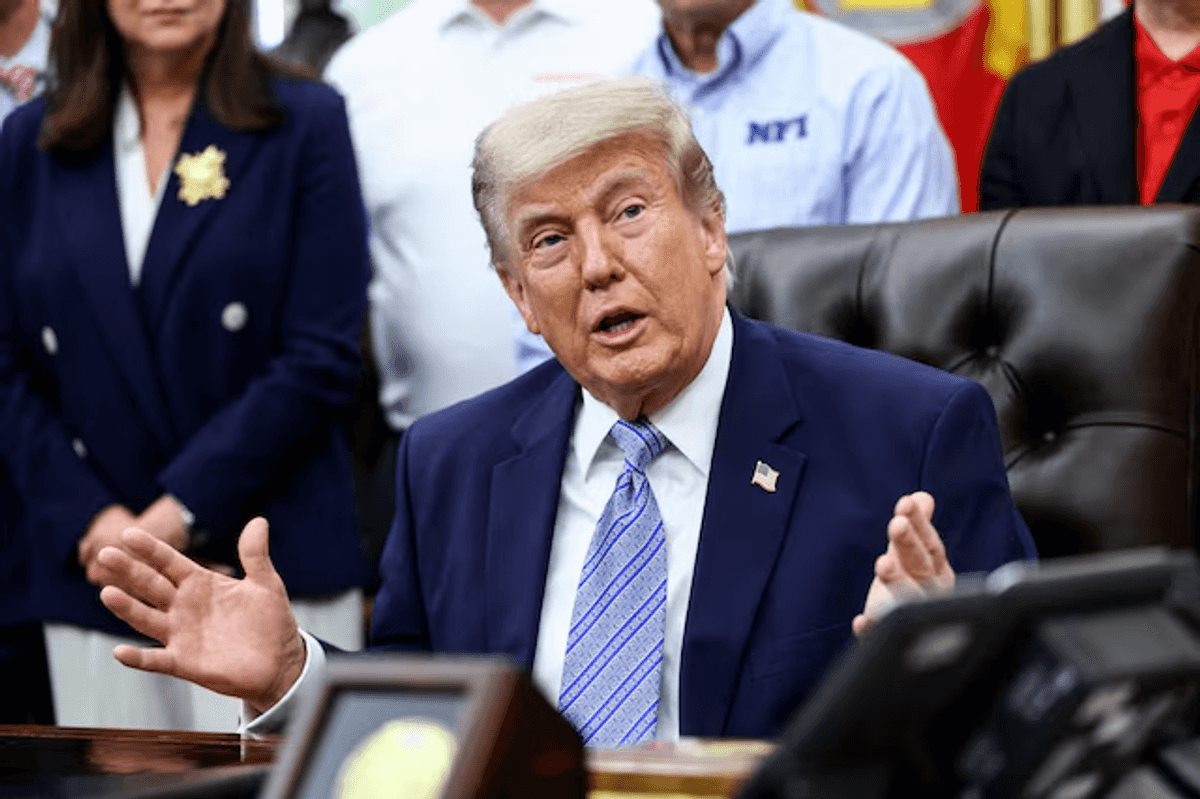
The United States launched a fresh round of strikes against Iran early Tuesday, marking the third consecutive night of attacks, even as President Donald Trump said a deal with Tehran was still possible.
Oil prices jumped more than nine percent on fears of wider conflict. The strikes came hours after Iran hit two tankers in the Strait of Hormuz.
Is a deal between the US and Iran still possible
Trump said Monday that an agreement to end the war remained achievable, telling reporters "I think a deal is possible." He noted that Washington had reached an understanding with Tehran two days earlier before Iran said it needed further negotiation. Iran's Foreign Ministry said the June memorandum underlying the talks was now "in crisis," though Tehran continued mediation efforts through Qatar, Pakistan and Oman.
What did Trump say about hitting Iran
"We're going to hit them very hard tonight, and we're going to hit them hard tomorrow," Trump told conservative radio host Hugh Hewitt on Monday. US Central Command said the strikes began at 2045 GMT and would keep imposing costs on Iranian forces. CENTCOM said the goal was to degrade Iran's ability to threaten civilians and commercial shipping in the Strait of Hormuz.
What happened in the Strait of Hormuz
The United Arab Emirates said Iran fired two cruise missiles at two national tankers, the Mombasa and Al Bahiyah, while they transited Omani waters near the strait. One crew member was killed and eight others were wounded, the UAE's defense ministry said. The attack followed Iran's Revolutionary Guards announcing new strikes on Bahrain, Jordan, Kuwait and Oman a day earlier.
Why did Trump reinstate a blockade on Iranian ports
CENTCOM said it would reimpose a blockade on Iranian ports starting at 2000 GMT on Tuesday, under Trump's orders. Trump said on Truth Social that the US would act as "guardian of the Strait of Hormuz" and would charge a 20 percent fee on cargo passing through it. He added that other countries would retain fair and open use of the waterway while Iran's ports stayed blocked.
How did Iran respond to Trump's toll threat
Iranian Foreign Minister Abbas Araghchi mocked the proposal on social media, saying Trump was right that whoever guarantees safe passage should be compensated, but that Tehran would charge less. "Twenty percent is of course too much," he said. Washington has long opposed Iran's efforts to impose tolls in the strait, which international law generally prohibits.
How many people have been killed in the latest strikes
Iranian state media reported deaths from the newest US strikes, which it said hit large areas in the south and west. At least four explosions were heard Monday east of Bandar Abbas, near the Strait of Hormuz. At least 25 people have been killed in Iran since hostilities resumed last Wednesday, according to an AFP count based on Iranian government announcements.
Has Trump notified Congress about the Iran conflict
Trump formally notified Congress last week that the US had resumed military conflict with Iran, the White House confirmed. That notice gives the Pentagon 60 additional days to operate in the region without congressional approval. Trump has also threatened to destroy Pickaxe Mountain, a fortified nuclear site near Natanz where Western intelligence suspects Iran is building an undeclared enrichment facility.
Analyst Bader Al-Saif of Chatham House said the escalating strikes would likely delay, rather than prevent, a lasting agreement. Both sides want to end the standoff on their own terms, he said, making a return to heavier attacks more likely. Iran's military command has warned that any Gulf state cooperation with the US would be treated as "an act of war."




Comments
See what people are discussing