

US threatens Iran with 'economic isolation like the world has never seen'
US Treasury Secretary Scott Bessent threatened Iran with unprecedented economic isolation and said new measures targeting the country would be announced next week

News Desk
The News Desk provides timely and factual coverage of national and international events, with an emphasis on accuracy and clarity.
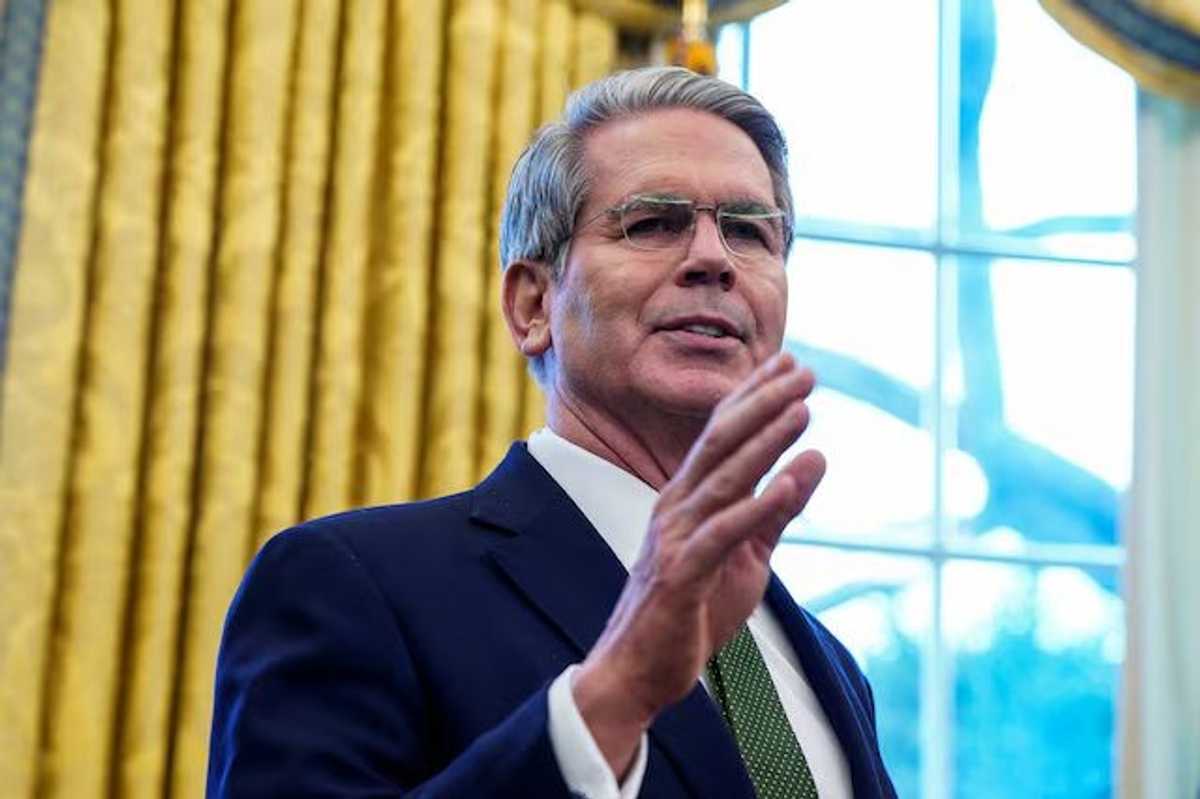
US Treasury Secretary Scott Bessent threatened on Thursday to subject Iran to economic isolation "like the world has never seen before," warning that new measures are expected next week. The threat comes as Washington and Tehran remain locked in a standoff over the Strait of Hormuz, a vital global energy corridor.
What did Scott Bessent say about US economic pressure on Iran?
Bessent told conservative television network Newsmax that the US would combine economic isolation with a continued physical blockade of Iranian ports, saying the naval blockade would keep anything from going in or out. He said new announcements were coming next week, without specifying what form those measures would take. The comments represent a sharp escalation in rhetoric after Bessent said on August 4 that a Hormuz agreement could be reached within days.
Those earlier remarks had sent Wall Street higher and pushed oil prices lower. The latest threat signals a harder line from Washington as negotiations remain stalled. The United States reinstated a naval blockade of Iranian ports in July after the 60-day ceasefire and memorandum of understanding between the two sides collapsed.
What is the US position on the Strait of Hormuz standoff?
Washington has insisted on safe passage for commercial shipping through the Strait of Hormuz as a non-negotiable condition for easing economic pressure on Iran. Iran has demanded the lifting of the US naval blockade and sanctions in return for reopening the waterway. Traffic through Hormuz has remained well below normal levels, adding sustained pressure to global energy markets.
Vice President JD Vance said earlier that the top US priority in the Iran war is bringing oil and gasoline prices down for Americans, with preventing Tehran from acquiring a nuclear weapon now ranking second. The two-pronged approach described by Bessent, financial pressure combined with a physical port blockade, suggests Washington is moving to intensify both tracks simultaneously. New measures are expected to be announced in the coming days.
What is the broader status of the US-Iran conflict?
The conflict has continued for months after the original ceasefire and memorandum of understanding broke down, with both sides exchanging strikes and accusations of violations. CNN's live coverage noted that the USS George Washington is set to replace the USS Lincoln in the Middle East, signalling continued US military posture in the region. The Iran war is now approaching its fifth month and has become an increasingly significant political and economic issue ahead of November's US midterm elections.



Comments
See what people are discussing