

US unexpectedly loses jobs in July, dealing blow to Trump ahead of midterms
The US unexpectedly loses jobs in July as payrolls drop by 23,000, creating political headwinds for Donald Trump and altering Federal Reserve policy plans

News Desk
The News Desk provides timely and factual coverage of national and international events, with an emphasis on accuracy and clarity.
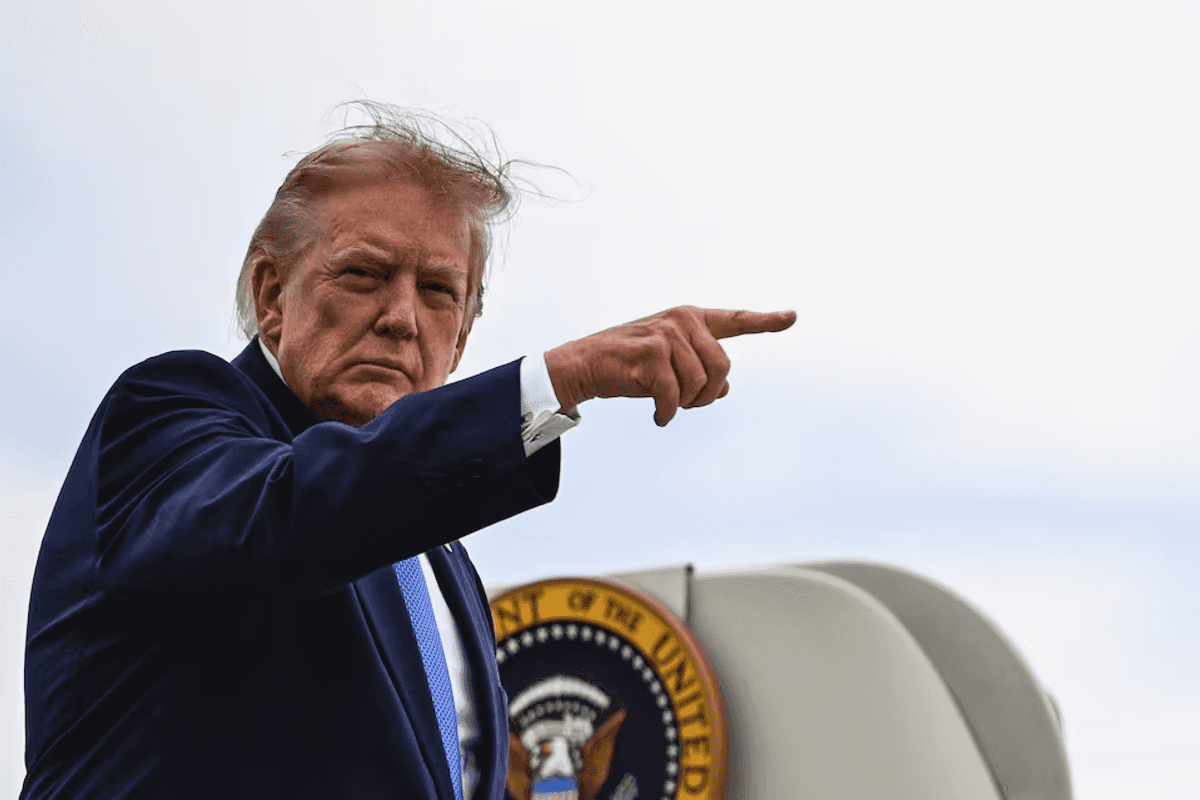
The US Bureau of Labor Statistics reported that the US unexpectedly lost jobs in July, shedding 23,000 positions due to steep cutbacks in education and retail.
This contraction challenges President Donald Trump's economic messaging as Republicans prepare for competitive midterm elections.
Why did the US unexpectedly lose jobs in July?
Data from the US Bureau of Labor Statistics shows total nonfarm payrolls dropped by 23,000 in July, driven by seasonal layoffs in local government education and broader retail contractions. Revisions also cut 103,000 jobs from May and June figures. Meanwhile, the unemployment rate fell slightly to 4.1 percent because overall labor supply contracted significantly.
Economists polled by Dow Jones Newswires and the Wall Street Journal had anticipated an addition of 83,000 positions before the government released the negative July figures. Updated government tracking reveals that monthly job gains peaked in March before declining continuously over the following months. White House economic advisor Kevin Hassett dismissed the disappointing report, describing the underlying government survey as very noisy.
The unemployment rate ticked down despite payroll losses because worker participation dropped to its lowest level since pandemic-era business closures. Demographers attribute this shrinking labor force to an aging population alongside reduced net migration flows into the domestic market. Democrats seek to leverage these labor struggles as Republicans fight to maintain control of Congress in upcoming midterm elections.
Since starting his second term, President Trump has promoted domestic manufacturing policies intended to stimulate long term employment and curb inflation. However, slowing payrolls and persistent price increases complicate political messaging for candidate campaigns across key swing states. Analysts monitor these shifts closely as voters prioritize economic conditions ahead of November balloting.
How will the July jobs report affect Federal Reserve interest rates?
Central bank policymakers track employment trends because their statutory mandate requires delivering maximum sustainable employment while keeping annual inflation near two percent. The Federal Reserve has missed its target rate for five consecutive years while elevated living costs squeezed American households. Regional Fed presidents recently split on policy, with three officials dissenting in favor of immediate rate increases last month.
Northlight Asset Management strategist Chris Zaccarelli called the unexpected decline a game changer that emphasizes expanding risks within the domestic job market. Nationwide chief economist Kathy Bostjancic noted that weak payroll numbers will reduce market expectations for upcoming interest rate hikes. However, she stressed that central bank officials remain primarily focused on upcoming consumer price index reports before making final rate decisions.
KPMG chief economist Diane Swonk warned that persistent inflation combined with weakening employment puts central bank leaders in a difficult position next month. Sticky inflation forces policymakers to consider rate increases even when higher borrowing costs increase pressure on struggling businesses. Balancing price stability against labor market fragility remains the primary policy dilemma facing monetary authorities this autumn.
Which sectors lost the most jobs according to the US jobs report?
Local government education accounted for the largest payroll reduction as thousands of school personnel dropped off payrolls during summer breaks. Retailers lost 19,000 jobs, with reductions concentrated in wholesale warehouse chains and general merchandise storefronts. Meanwhile, financial activities continued a multi-year downturn, shedding 121,000 positions since reaching a cyclical peak in May 2025.
The healthcare industry provided a modest buffer by adding 22,000 positions, supported by expanding medical demands among an aging population. However, healthcare hiring slowed compared to its average monthly trajectory over the past twelve months. Construction and specialized services also managed minor payroll expansions, preventing broader economy-wide contraction.
Wage dynamics further complicated the economic outlook as average hourly earnings rose 3.2 percent year over year. Because wage growth continued to trail inflation, American households lost purchasing power in real terms. Reduced household spending capacity poses additional risks to consumer-driven industries heading into the final quarters of the year.





Comments
See what people are discussing