

Used car imports cost Pakistan PKR 60B, hit local industry: report
CCP warns 38,000 imported vehicles in FY25 undercut manufacturing, jobs and tax base

Business Desk
The Business Desk tracks economic trends, market movements, and business developments, offering analysis of both local and global financial news.
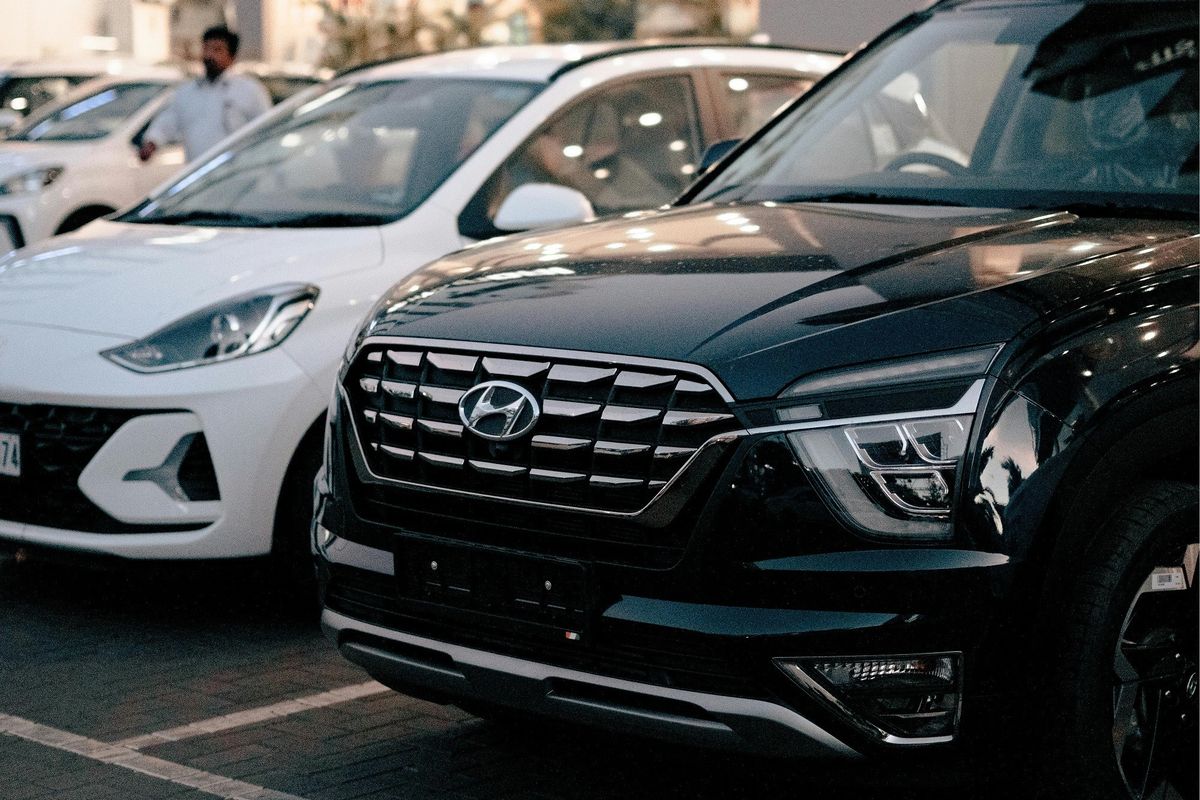
The influx of used vehicle imports is eroding domestic manufacturing, shrinking the tax base and heightening macroeconomic risks, according to a recent report by the Competition Commission of Pakistan on the auto sector.
“Every imported used vehicle substitutes demand for a locally assembled car and its locally manufactured components,” the report said.
The commission’s estimations show that the influx of 38,000 used cars in FY2025 resulted in approximately PKR 60 billion in lost revenues and more than 40,000 potential jobs foregone.
The report notes that as of FY2025, more than 38,000 used cars were imported, accounting for nearly one-fourth of total passenger vehicle sales — a proportion it describes as high compared with peer economies, where such inflows are negligible.
Tariff policy and uneven playing field
The government’s tariff rationalization plan under the National Tariff Policy 2025-30 aims to simplify the duty structure and gradually reduce tariff dispersion. However, the commission warns that “without reforming the misuse of personal import schemes, these measures may not achieve a level playing field between domestic manufacturing and imports.”
Currently, Pakistan maintains a dual import regime governing new and used vehicles differently. Under the new vehicle policy, the import of Completely Built Units is permitted but subject to duties and taxes ranging from 150% to 300%, depending on engine size and fuel type.
Used vehicle imports, by contrast, are allowed under Gift, Transfer of Residence and Baggage schemes, with depreciation-based duty calculations allowing up to a 60% reduction in value before tax. “This system effectively enables commercial imports under personal-use exemptions,” the report states.
External stability at risk
From a macroeconomic perspective, the commission cautions that excessive reliance on imports poses risks to Pakistan’s external stability.
The auto parts industry currently provides import substitution worth nearly $1.25 billion annually, according to the report. A decline in local production would translate into a permanent increase in the structural import bill.
“Considering Pakistan’s narrow export base and recurring current account deficits, such dependence could reintroduce volatility in the balance of payments and pressure on foreign exchange reserves,” the commission said.
At the same time, local manufacturing contributes an estimated PKR 302 billion annually in taxes through GST, federal excise duty, customs duty and income taxes across the supply chain. Replacing domestic production with imports would reduce this “multi-layered tax base to a single customs collection point, amplifying fiscal pressures and reducing long-term revenue potential”, the report added.
The way forward
The commission emphasized that a sustainable and balanced import framework must align industrial policy with consumer welfare and macroeconomic stability.
“The way forward lies not in choosing between protectionism and liberalization but in designing a transparent, rules-based system that complements domestic production while allowing controlled, high-quality imports,” it said.
The report outlines the following recommendations:
- Reform personal import schemes: Restrict Gift, Baggage and Transfer of Residence schemes strictly to non-commercial use and enhance verification mechanisms.
- Develop a structured import framework: Allow limited CBU imports through registered private dealers under defined quotas and quality standards.
- Rationalize the tariff structure: Gradually move toward a predictable, transparent tariff system approved through parliamentary processes, minimizing ad hoc statutory regulatory order interventions.
- Align imports with environmental goals: Permit only vehicles meeting Euro-V standards or higher, with incentives for hybrid and electric models.



Comments
See what people are discussing