


Kamran Ali
Correspondent Nukta
Kamran Ali, a seasoned journalist from Khyber Pakhtunkhwa, Pakistan, has a decade of experience covering terrorism, human rights, politics, economy, climate change, culture, and sports. With an MS in Media Studies, he has worked across print, radio, TV, and digital media, producing investigative reports and co-hosting shows that highlight critical issues.
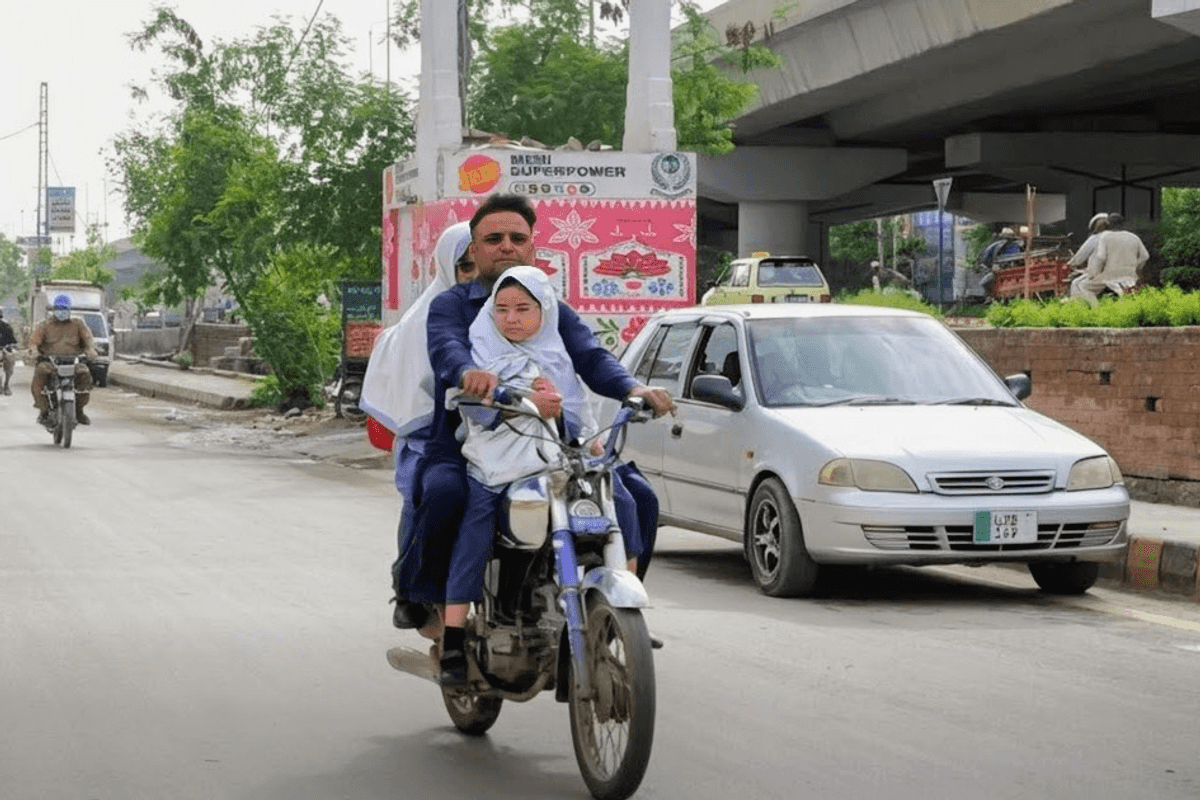
Muskan and Khushi, dressed in their school uniforms, ride with their father on a motorbike to school.
Nukta
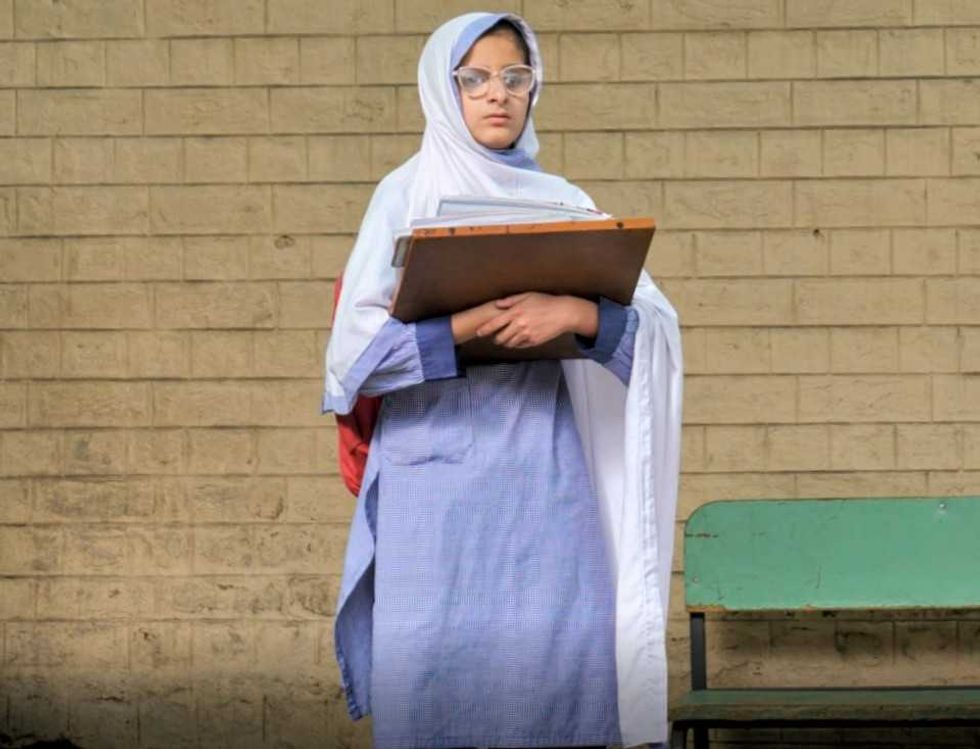
“Allah Almighty has made me visually impaired, but you are taking away my second sight - my education too,” says Muskan Khan, fingers tracing the embossed pages of a Braille textbook she may soon have to leave behind.
In just 10 days, when her fifth-grade exams conclude, the 13-year-old will be confined to her home - not because she has failed, but because there is nowhere else for her to go.
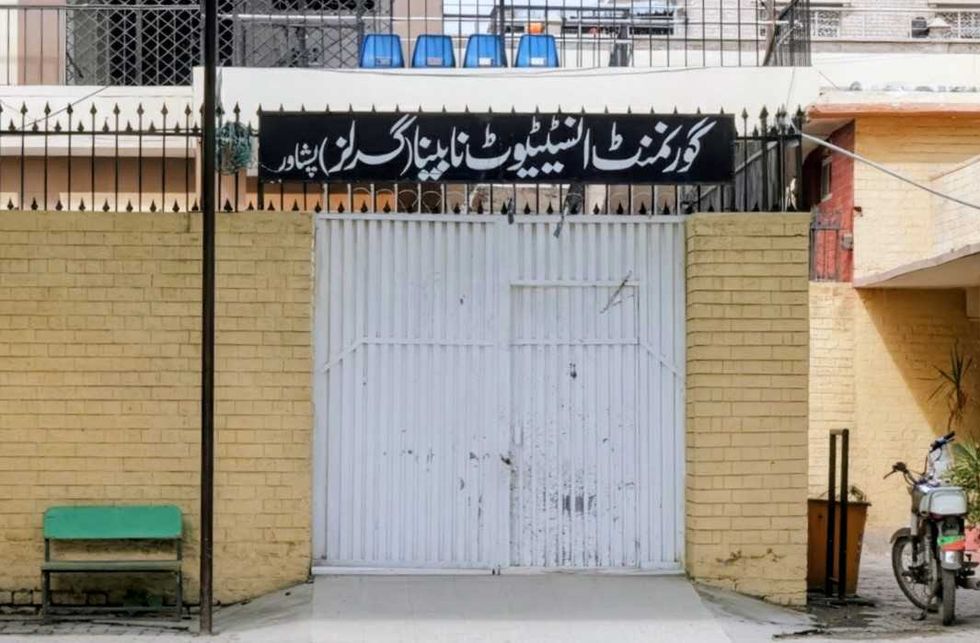
Muskan attends the only government school for visually impaired girls in Pakistan’s Khyber Pakhtunkhwa (KP) province, a primary school in Peshawar established in 1992. For 34 years, it has never been upgraded beyond the fifth grade.
“I am in fifth grade now and after the exams, I will be confined to my home,” she says, her voice calm but heavy with disappointment. “I have a strong desire to continue my education, but how can I achieve it when there is no school for me?”
A province of lost potential
Muskan’s story is not unique. Her younger sister, 8-year-old Khushi Khan, a first-grader learning in Braille, faces the same uncertain path.
“I want to become a school principal,” she says, pointing out that while schools in Islamabad, Karachi, and other cities offer higher grades, theirs stops at fifth grade. “Our school should be upgraded too.”
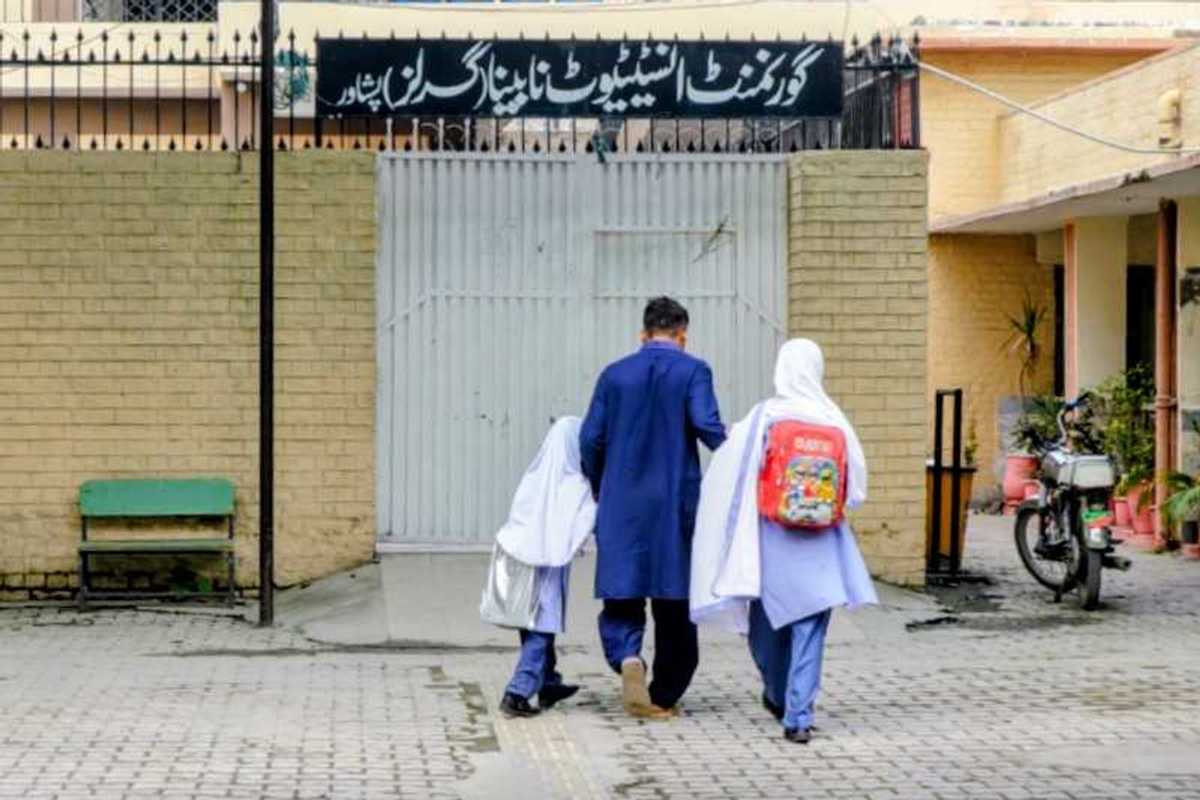
The sisters share a daily ritual: their father, Hazrat Jan, ferries them to school on a motorbike. Transport used to be provided by the school but was discontinued years ago.
“I personally pick up and drop my daughters every day, and half of my day is spent on this,” he says. “But I am not worried about that as my request is simple: the school should at least be upgraded to a high school.”
Most never enroll
Saad Noor, Provincial President of the Pakistan Association of Blind, told Nukta that while Islamabad and Karachi have high schools for blind girls - including some offering matriculation (10th grade) and beyond - KP has none.
“Girls from remote districts like Dir, Chitral, Bannu and Dera Ismail Khan cannot afford to move to Peshawar for just five years of primary schooling, so most never enroll,” he said.
Noor emphasized that if it is not possible to establish schools in every district, there should at least be one school for visually impaired girls at the divisional level to end the widespread educational deprivation.
 Nukta
Nukta
A decade-old count, an increasing need
A survey conducted over a decade ago by the Provincial Disaster Management Authority (PDMA) recorded 3,438 visually impaired children in KP. However, the association says these figures are outdated.
“Most blind children are not registered,” Noor explained. “In Peshawar alone, over 600 are on record. The number has likely grown, so a new comprehensive survey is urgently needed.”
An emergency without a school
The KP government has officially declared an “emergency in education”, pledging that persons with special needs are a priority.
“For persons with special needs, the provincial government will take special care. For girls, it is absolutely their right; this message has reached us, and work will be done on an emergency basis,” said Shafi Jan, Special Assistant to the Chief Minister.
 Nukta
Nukta
But for Muskan, Khushi, and countless other girls across the province, the promise of action has yet to materialize. Without schools that continue beyond the fifth grade, the bright future they dream of remains just out of reach.




Comments
See what people are discussing