

Who is IS-KP spokesperson arrested by Pakistani authorities
According to the UNSC, Azzam has served as IS-KP’s spokesperson since the group’s emergence in Afghanistan in 2015

News Desk
The News Desk provides timely and factual coverage of national and international events, with an emphasis on accuracy and clarity.
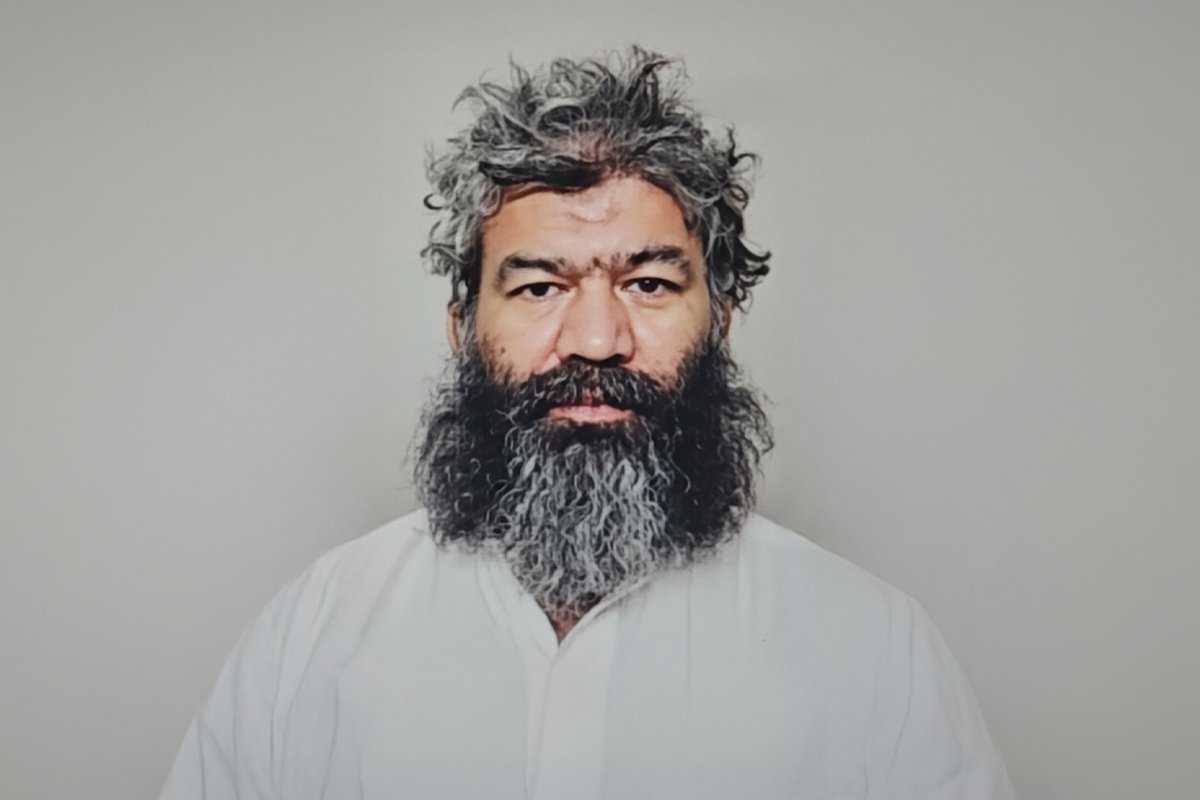
The most recent image of Sultan Aziz Azzam.
Courtesy: X/@IftikharFirdous
Pakistani authorities this year arrested Sultan Aziz Azzam, a key spokesperson of the Islamic State-Khorasan Province (IS-KP), according to a recent report submitted to the United Nations Security Council (UNSC).
The arrest was carried out near the Pakistan-Afghanistan border and has been described by UN monitors as a significant blow to the militant group’s operational and propaganda capabilities.
IS-KP is the regional affiliate of the Islamic State group, operating primarily in Afghanistan and parts of Pakistan, and has been responsible for several high-profile attacks in recent years.
The arrest of Azzam was highlighted in the UN’s 16th report by the Analytical Support and Sanctions Monitoring Team, which noted that Pakistan’s counterterrorism operations have “degraded” IS-KP’s ability to function effectively.
The report said arrests of senior figures such as Azzam had disrupted planned attacks and weakened the group’s leadership and recruitment networks.
According to the state-run Associated Press of Pakistan (APP) reported that intelligence agencies detained Azzam during a security operation in the border region earlier this year. Following his arrest, IS-KP’s media wing, including the Al-Azaim Foundation, reportedly suffered operational setbacks.
Despite these developments, the UN report cautioned that member states “consistently report” the presence in Afghanistan of ISIL-K, Tehreek-e-Taliban Pakistan (TTP), Al Qaeda, the Eastern Turkistan Islamic Movement, also known as the Turkistan Islamic Party, Jamaat Ansarullah and Ittihadul Mujahideen Pakistan.
It added that some of these groups “have used or are continuing to use Afghanistan to plan and prepare external attacks.”
Who is Sultan Aziz Azzam?
According to the UNSC, Azzam has served as IS-KP’s spokesperson since the group’s emergence in Afghanistan in 2015. The European Council identifies him as a key figure behind IS-KP’s media operations, while Islamabad-based security platform The Khorasan Diary has described him as the group’s second-in-command.
Writing for the Jamestown Foundation’s Militant Leadership Monitor, analyst Shan A. Zain reported in 2020 that Azzam was born in Nangarhar province in Afghanistan and previously worked as a journalist, contributing to local radio stations and writing poetry and books. His writings were later used as recruitment material for IS-KP supporters.
“Azam has been functioning as IS-K’s chief propagandist and spokesperson since its founding. The role gave him more visibility than anyone else in the organization, including its regional leaders, who have traditionally kept a low profile.
“His vast experience in broadcast journalism enabled him to effectively fulfil that role and build a propaganda machine that is unique and different from the other IS branches,” the analyst wrote.
Azzam publicly claimed responsibility for IS-KP’s August 2021 suicide bombing near Kabul airport, and issued statements following attacks on journalists and a prison assault in Jalalabad.
Broader crackdown on IS-KP
Pakistan’s actions against IS-KP have drawn international recognition. In June, US Central Command (Centcom) chief General Michael Kurilla described Pakistan as a “phenomenal partner” in counterterrorism, crediting it with the arrest and extradition of several high-value IS-KP operatives, including Mohammad Sharifullah, linked to the Kabul airport bombing.
More recently, Pakistani police killed senior IS-KP commander Nisar Hakim during an intelligence-led operation in Karak district, according to security sources cited by Dawn.
Azzam's arrest underscores Pakistan’s central role in regional counterterrorism efforts, even as concerns persist over militant activity across the border.




Comments
See what people are discussing