

Ceasefire may hold till April 21 as US-Iran talks stall in Islamabad
Kamran Khan says quiet diplomacy continues despite no deal in high-stakes talks

News Desk
The News Desk provides timely and factual coverage of national and international events, with an emphasis on accuracy and clarity.
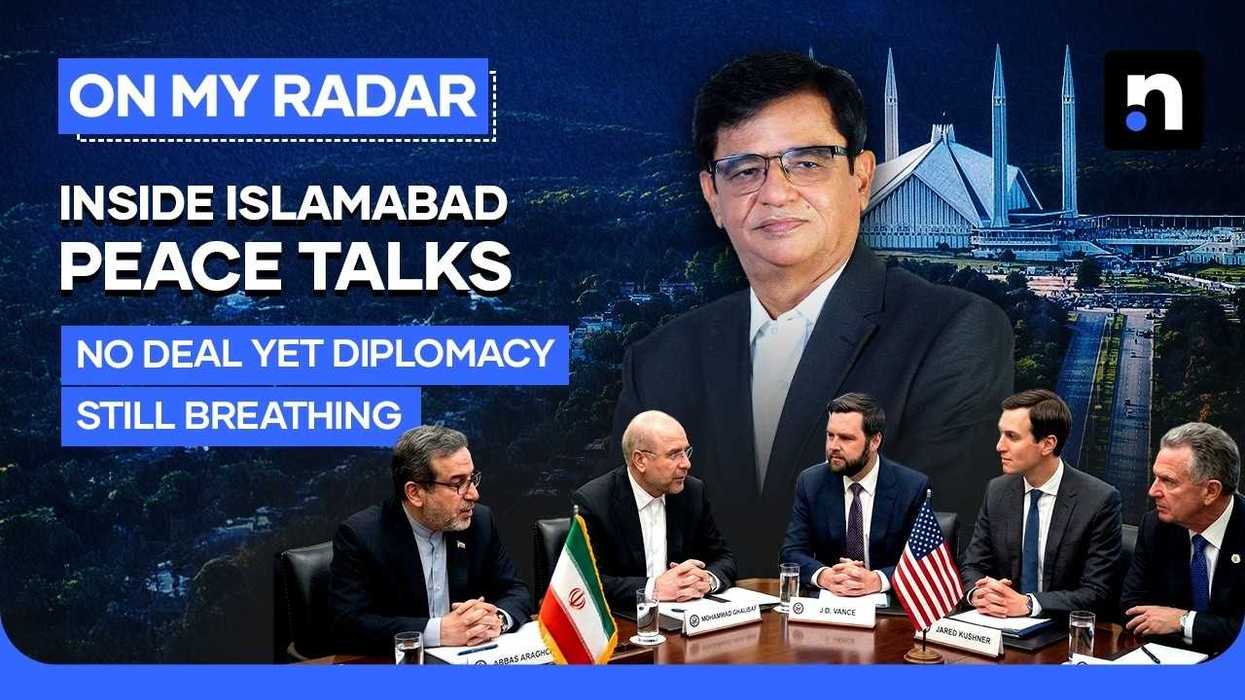
A fragile understanding between the United States and Iran may keep a ceasefire in place until April 21, even as formal negotiations in Islamabad ended without a breakthrough, according to the latest episode of On My Radar by Kamran Khan.
“Behind closed doors, powerful signals suggest the U.S.–Iran ceasefire may hold until April 21 under a quiet undeclared understanding,” Khan said, adding that diplomacy remains alive despite the absence of a deal.
U.S. Vice President JD Vance confirmed that marathon talks in Islamabad failed to produce an agreement, saying Washington had presented Tehran with a “final and best offer.”
“We leave here with a very simple proposal, a method of understanding that is our final and best offer. We’ll see if the Iranians accept it,” Vance told reporters.
The negotiations marked the highest-level engagement between the two sides since Iran’s 1979 Islamic Revolution. Pakistan, which hosted the talks, said it would continue to facilitate dialogue and urged both sides to respect a temporary ceasefire.
Iran’s state broadcaster IRIB reported that negotiations stalled over what it described as “unreasonable demands” by the United States. A foreign ministry spokesman said no agreement could have been expected in a single session after weeks of conflict.
The United States and Israel launched attacks on Iran on Feb. 28, triggering retaliation from Tehran and raising tensions across the Middle East.
Khan noted that while the American peace proposal remains on the table, Tehran has yet to formally respond. “The world is watching whether diplomacy survives – or war returns,” he said.
Key disputes include Iran’s nuclear program, regional conflicts, and control of the Strait of Hormuz, a critical route through which a significant share of the world’s oil supply passes.
Khan said April 21 could prove decisive, raising the question of whether the current pause is “a temporary pause before a historic agreement or merely calm before another storm."



Comments
See what people are discussing