

Colombia's new US-backed government severs diplomatic ties with Iran
The administration of Colombia’s newly inaugurated President Abelardo de la Espriella formally severed diplomatic ties with Iran, citing hemispheric national security, alleged connections to local narco-terrorist groups, and Tehran's maritime disruptions in the Strait of Hormuz

News Desk
The News Desk provides timely and factual coverage of national and international events, with an emphasis on accuracy and clarity.
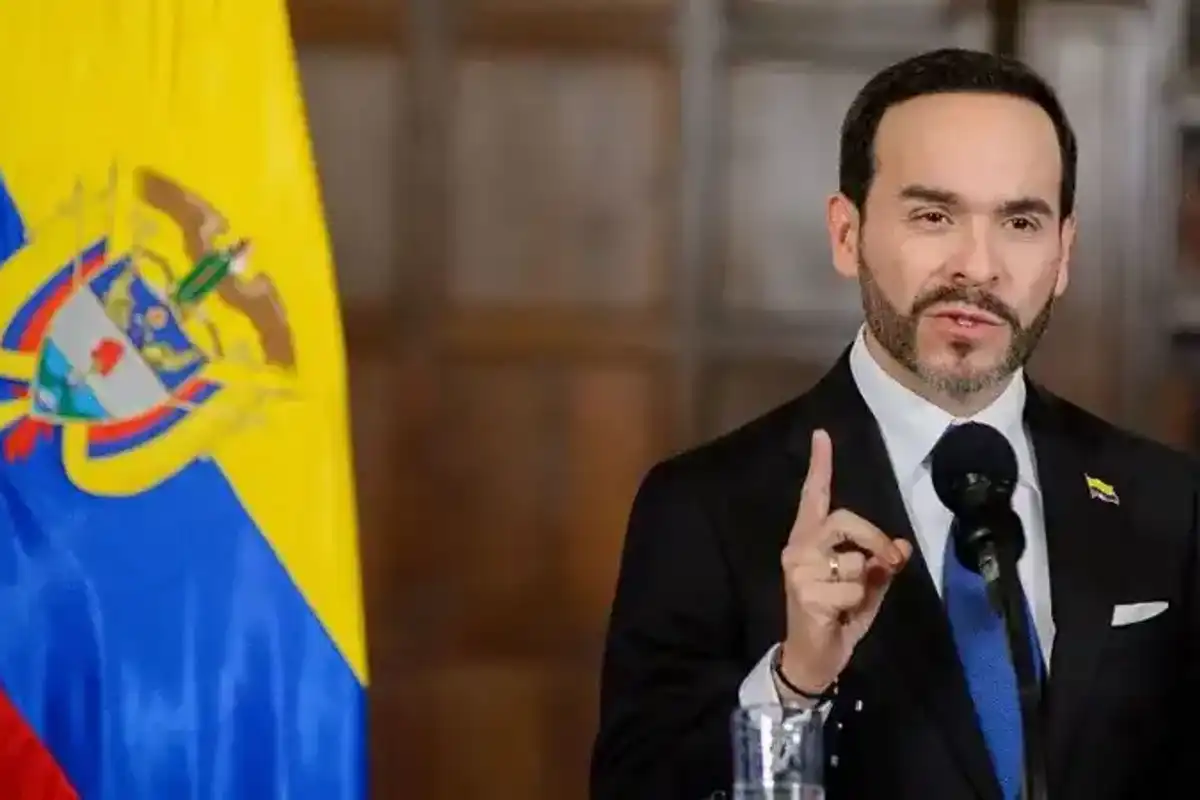
Colombia breaks ties with Iran as government cites security, organized crime concern.
AFP
Colombia’s government formally severed diplomatic relations with Iran on Thursday, becoming the latest Latin American partner to align with Washington by cutting ties with Tehran. According to the Colombian Ministry of Foreign Affairs, the diplomatic breach officially took effect on September 19.
What reasons did Colombia cite for breaking diplomatic ties with Iran?
In an official statement, the Foreign Ministry grounded the decision in "national and hemispheric security concerns" and the government's commitment to fighting transnational organized crime. The administration accused the Iranian government of harboring connections to "narco-terrorist groups that threaten the security of the country," though detailed evidence supporting the charges was not publicly released.
The government also pointed to Tehran’s actions on the international stage, specifically highlighting:
- Maritime & Trade Disruptions: Iran’s naval blockade of the Strait of Hormuz and armed conflict targeting unaligned Middle Eastern nations.
- Nuclear Non-Proliferation: Concerns over Iran’s obstruction of International Atomic Energy Agency (IAEA) inspectors.
- Human Rights & Regional Security: Documented human rights violations and proxy support affecting security in the Western Hemisphere.
According to Anadolu Agency, Bogotá confirmed that while high-level diplomatic links are severed, it will maintain limited consular relations to handle routine administrative services for citizens.
How does the move reflect Colombia's broader foreign policy pivot under President De la Espriella?
The decision marks a sharp foreign policy reversal from former leftist President Gustavo Petro, under whom Colombia expanded relations with Tehran while sharply criticizing Israel. Right-wing President Abelardo de la Espriella, who assumed office on August 7, 2026, with the endorsement of US President Donald Trump, has rapidly restructured Bogotá’s international alliances.
Since taking office, De la Espriella has prioritized restoring strategic security partnerships with Washington and Jerusalem while signaling plans to review ties with leftist regimes in Cuba and Nicaragua. The decision underscores a broader effort across several Latin American administrations to dismantle illicit financial and proxy networks linked to Iran in the Western Hemisphere.




Comments
See what people are discussing