

Democrats criticize Trump for failing to explain Iran war goals
Eleven days into the war on Iran, US Democrats say the White House still fails to explain Trump’s reasons and goals for the conflict.

News Desk
The News Desk provides timely and factual coverage of national and international events, with an emphasis on accuracy and clarity.
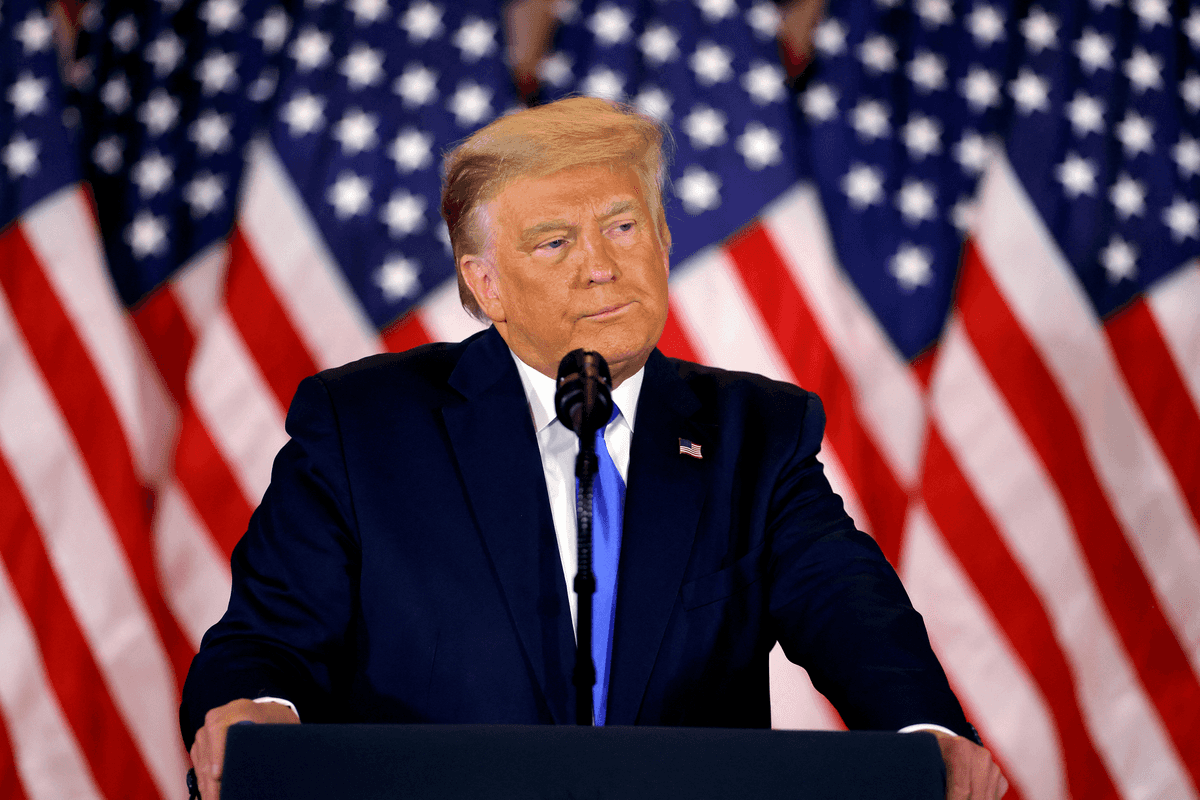
US President Donald Trump.
Reuters
Eleven days into the war on Iran, several U.S. Democrats say they remain frustrated over President Trump administration’s lack of clarity regarding the conflict’s objectives and justifications, according to reports by Al Jazeera and other international media.
“I emerge from this briefing as dissatisfied and angry, frankly, as I have from any past briefing in my 15 years,” Senator Richard Blumenthal told reporters following Tuesday’s classified Senate Armed Services Committee briefing.
Blumenthal’s statement marks the latest wave of criticism from congressional Democrats, who hold only a slim minority in both the Senate and House of Representatives. Party members had recently voted almost unanimously for resolutions seeking to halt the war, which the U.S. and Israel launched on February 28. However, their efforts to pass a “war powers resolution” to rein in the president failed due to widespread Republican opposition.
More recently, Democrats have pledged to delay proceedings in the Senate until top officials from the Department of State and the Pentagon testify under oath about the war. Following the briefing, Blumenthal emphasized that the administration owes the public more clarity.
“I am left with more questions than answers, especially about the cost of the war,” he said. “I am most concerned about the threat to American lives if we deploy our sons and daughters on the ground in Iraq. It appears we may also be heading toward sending troops into Iran to achieve unspecified objectives.”
Senator Elizabeth Warren also criticized the administration, stating that it “cannot explain the reasons that we entered this war, the goals we’re trying to accomplish, or the methods for doing so.”
She highlighted the high cost of operations, estimated at over $5.6 billion in the first two days alone, and contrasted it with last year’s cuts to healthcare subsidies. “While there is no money for 15 million Americans who lost their healthcare,” she noted, “there’s a billion dollars a day to spend on bombing Iran.”
Senator Jacky Rosen, while limited in what she could disclose from classified briefings, expressed her frustration. “I can tell you what I heard is not just concerning—it is disturbing,” she said. “I’m not sure what the end game is or what their plans are. They certainly have not made their case.”
Administration justifications and escalation
The latest criticism follows U.S. Secretary of Defense Pete Hegseth’s pledge to conduct the “most intense day” of strikes since the war began. As of Tuesday, the conflict had killed at least 1,255 people in Iran, 394 in Lebanon, 13 in Israel, six in Iraq, and 14 across the Gulf.
President Trump has repeatedly insisted the war would be short, yet officials have offered shifting timelines. Hegseth stated the fighting would continue “until the enemy is totally and decisively defeated,” adding, “We do so on our timeline and at our choosing.”
The administration has offered multiple justifications for the strikes, citing Iran’s nuclear ambitions and ballistic missile programs, though Tehran denies seeking nuclear weapons. U.S. officials, including Secretary of State Marco Rubio, have also framed the war as preemptive, claiming it prevented an imminent attack on U.S. assets, though these claims have been inconsistent. Another rationale cited is Iran’s historical actions since the 1979 Islamic revolution, which the administration labels a long-term threat. Experts argue there is little evidence that these claims posed an immediate danger to the United States.
Since the war’s onset, Democrats have largely been sidelined, with only a few Republicans joining them in legislative efforts to constrain the president.
Under the Constitution, only Congress can declare war, though presidents can authorize military action in cases of imminent threat. The 1973 War Powers Resolution limits unauthorized campaigns to 60-90 days without congressional approval - a requirement Trump has publicly denied applies to his actions.





Comments
See what people are discussing