

Pakistan plans PKR 17T budget with IMF-backed tax hikes, subsidy cuts
Government pledges PKR 860 billion in new taxes as it ends fuel subsidies, raises power tariffs and speeds up privatization under IMF conditions

Business Desk
The Business Desk tracks economic trends, market movements, and business developments, offering analysis of both local and global financial news.
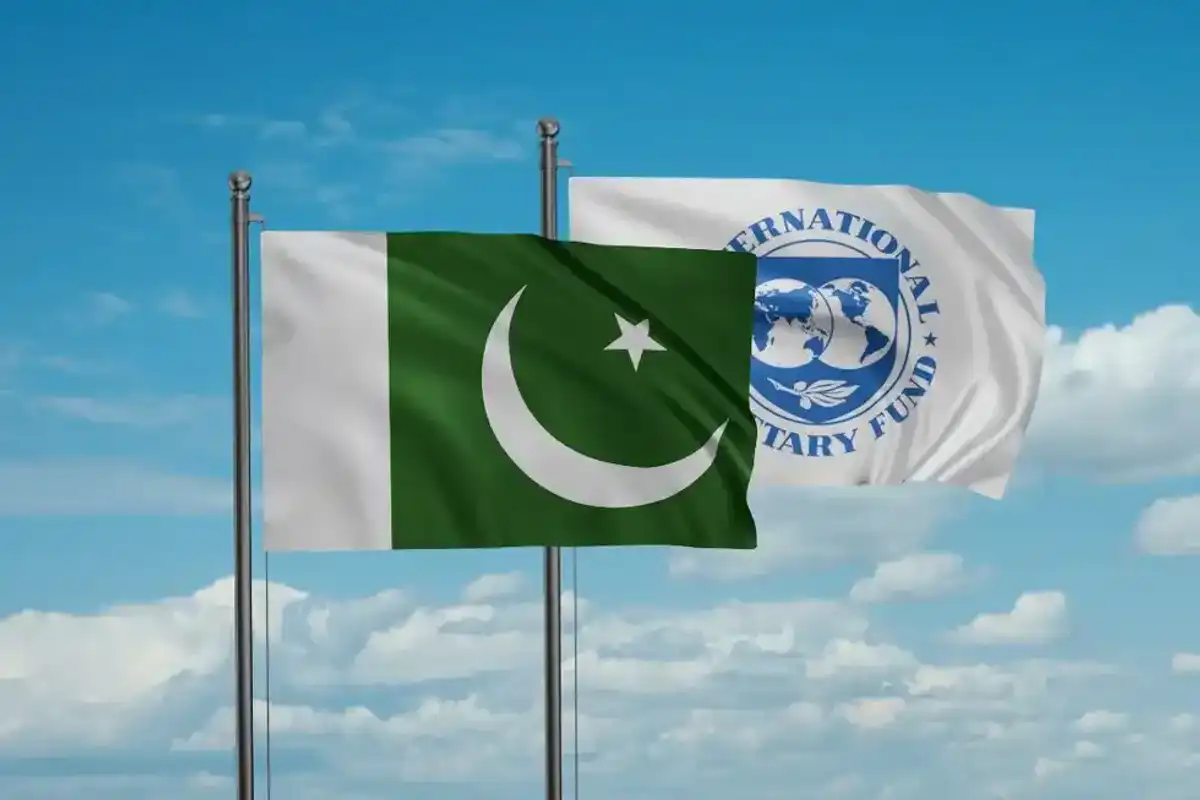
Pakistan’s IMF-backed budget: taxes up, subsidies down
Nukta
Pakistan is likely to unveil a federal budget exceeding PKR 17 trillion for fiscal year 2026-27, pledging sweeping tax measures, subsidy cuts and privatization to meet International Monetary Fund (IMF) conditions as the country struggles to stabilize its fragile economy.
The government has assured the IMF of PKR 860 billion in additional tax measures, including PKR 430 billion in new levies and tighter audits. Officials expect to collect PKR 7 trillion in taxes in the first six months, with a full-year target of PKR 15.2 trillion by June 2027. The IMF has pressed Pakistan to broaden its tax base, noting that agriculture contributes nearly 25% of GDP but only 0.3% of tax revenue.
Under IMF pressure, Islamabad has decided to end fuel and diesel subsidies by early 2027. Petroleum levy collections are projected at PKR 1.7 trillion, up PKR 260 billion from the current year. Electricity and gas tariffs are also expected to rise in phases, with increases scheduled for July 2026, January 2027 and February 2027. The IMF report warned that subsidy withdrawal, while necessary for fiscal discipline, could fuel inflation and public discontent.
The budget strategy shifts the burden of adjustment across sectors, leaving households to absorb an estimated PKR 430 billion in additional costs. Half of this will come from new taxes, while the remainder will be raised through stricter monitoring and audits. Provinces are also expected to contribute PKR 439 billion in fresh taxes, spreading the fiscal impact across the federation.
Privatization remains a key pillar of the IMF program. Pakistan has pledged to accelerate the sale of state-owned enterprises, including 51% to 100% stakes in IESCO, GEPCO and FESCO by early 2027, with management control transferred to the private sector.
Progress continues on the privatization of 27 institutions, though delays have emerged in appointing a financial adviser for the Roosevelt Hotel. The government also plans to phase out tax concessions for special economic zones by 2035, a move expected to reshape investment incentives.
The IMF’s May 2026 report warned that Pakistan’s debt servicing, projected at PKR 7.8 trillion, nearly half the budget, threatens development spending. It urged Islamabad to maintain fiscal discipline, cut untargeted subsidies and expand social safety nets. In response, the government raised cash transfers under the Benazir Income Support Programme to PKR 18,000 per family, covering 40% of vulnerable households.
Economists say the budget reflects a delicate balancing act.
“Pakistan is trying to satisfy IMF conditions while avoiding social unrest,” said one Karachi-based analyst. “The removal of subsidies will hit households hard, but without these reforms, the fiscal deficit could spiral out of control.”
The IMF projects Pakistan’s GDP growth at 3.6%, inflation at 7.2% and foreign exchange reserves at USD 17.5 billion. However, risks remain. The ongoing Middle East conflict has disrupted oil supplies, driving up energy costs and threatening Pakistan’s fragile recovery. The closure of the Strait of Hormuz has already increased import bills, underscoring the country’s vulnerability to external shocks.
For global audiences, Pakistan’s budget highlights the challenges facing emerging markets under IMF programs:
• Energy reforms amid geopolitical volatility
• Governance and privatization as conditions for foreign investment
• Balancing austerity with welfare in fragile economies
The government’s commitment to transparency is also under scrutiny. The IMF has demanded amendments to Pakistan’s anti-corruption laws by January 2027 and the online publication of civil servants’ asset declarations by December 2026. These measures, if implemented, could improve investor confidence but may face resistance from entrenched interests.
For millions of Pakistanis, the budget likely means higher fuel prices, steeper electricity bills and heavier taxes, offset only by modest increases in welfare payments.
Bottom line: Pakistan’s 2026-27 budget is not only a domestic fiscal plan but also a test case for how emerging economies navigate IMF conditionality, debt stress and geopolitical volatility. For global investors and policymakers, it offers lessons on the fragile balance between austerity and economic survival.




Comments
See what people are discussing