

Fitch says Gulf sovereign ratings can withstand short conflict but energy risks loom
Agency warns prolonged hostilities or damage to export infrastructure could pressure regional credit profiles

Business Desk
The Business Desk tracks economic trends, market movements, and business developments, offering analysis of both local and global financial news.
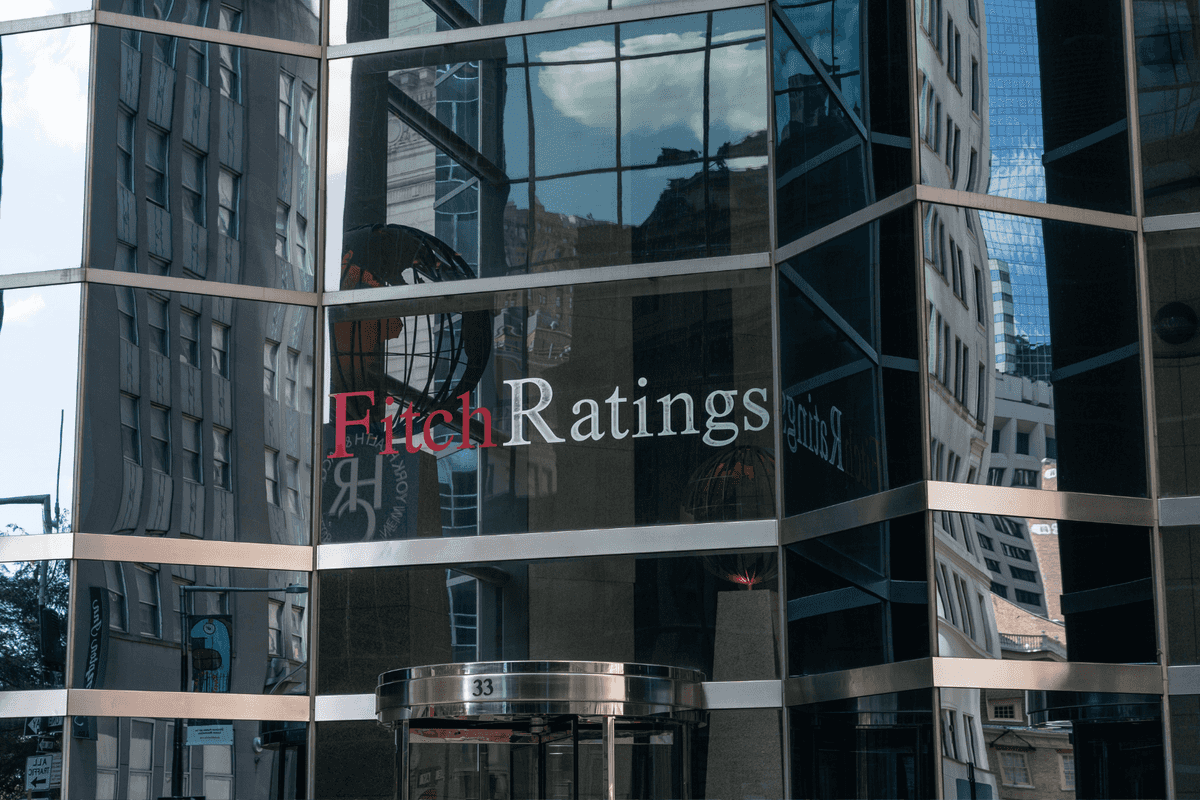
Fitch Ratings said Middle Eastern sovereign ratings have sufficient headroom to withstand a short regional conflict that does not escalate, but warned that prolonged hostilities or significant damage to energy infrastructure could pose risks to credit profiles.
The ratings agency said attacks launched by Israel and the United States on Iran on Feb. 28 have had a greater impact than those in June 2025. Fitch’s baseline scenario assumes the conflict will last less than a month, with its duration shaped by factors including the destruction of Iranian military capacity and what it described as U.S. aversion to a longer, more involved conflict.
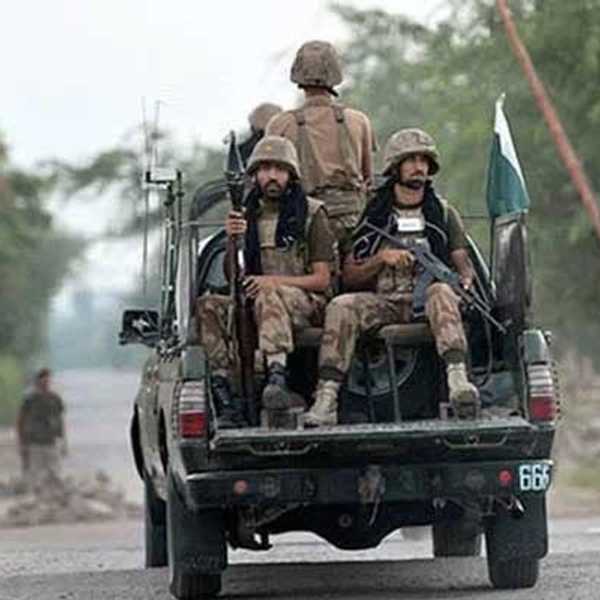
Attacks by Iran and its proxies across the region are expected to continue and could intensify in the short term, Fitch said.
Energy exports key risk channel
Fitch said material damage to Gulf Cooperation Council energy export infrastructure would be the most likely channel for pressure on sovereign ratings. While some minor damage has occurred, this is not part of its baseline assumptions.
The agency assumes the Strait of Hormuz will be effectively closed for the duration of the conflict, whether due to physical blockage, vessels being unable to secure insurance or other threat-related factors. More than 20 million barrels per day of crude and refined products, along with significant liquefied natural gas flows, transit through the strait.
Saudi Arabia and the United Arab Emirates have pipeline routes that allow much of their production to bypass Hormuz, and major exporters hold oil storage outside the region. However, Fitch said there is likely to be a near-term hit to oil and gas activity, particularly in Bahrain, Kuwait and Qatar, which lack alternative routes, and in Iraq, whose exports rely heavily on the strait.
Higher energy prices would help offset the impact of a short-lived disruption on export earnings, provided shipments continue, Fitch said.
Broader economic impact
The conflict is also expected to affect non-oil activity in the near term. Fitch said much regional air travel has been suspended, consumer activity has likely slowed and risk perceptions could weigh on tourism.
The agency assumes the impact on economic growth will be temporary, though it warned of potential longer-term damage in parts of the region positioning themselves as safe havens for international businesses and individuals. An outflow of expatriates could pressure housing markets in some GCC countries.
Most GCC sovereigns hold substantial financial assets that would cushion short-term energy revenue disruptions, and non-energy sectors are lightly taxed, limiting fiscal impact from temporary slowdowns, Fitch said. It added that geopolitical risk is reflected in sovereign ratings through World Bank Governance Indicators and qualitative adjustments, including negative notches applied to Abu Dhabi and the UAE to account partly for geopolitical risk.
Regarding Israel, Fitch said governance indicators already capture some direct security risks, and the hostile external environment contributes to a negative notch applied to its Sovereign Rating Model outcome. However, geopolitical or security events that materially affect the economy or public finances remain rating sensitivities. An extended regional conflict, particularly involving large-scale mobilization of reservists, could result in a downgrade, given Israel’s limited headroom at its ‘A’ rating, which carries a Negative Outlook.
Fitch cautioned that its base case is subject to particularly high uncertainty. A more prolonged disruption to energy exports than assumed would likely have more severe repercussions for sovereign credit profiles. The longer-term direction and stability of Iran’s government, and the implications for regional security, remain unclear and could have either negative or positive rating consequences.




Comments
See what people are discussing