

GCC banks face limited immediate credit risk from Middle East conflict, Fitch says
Strong capital and liquidity buffers expected to cushion banks if hostilities remain short-lived

Business Desk
The Business Desk tracks economic trends, market movements, and business developments, offering analysis of both local and global financial news.
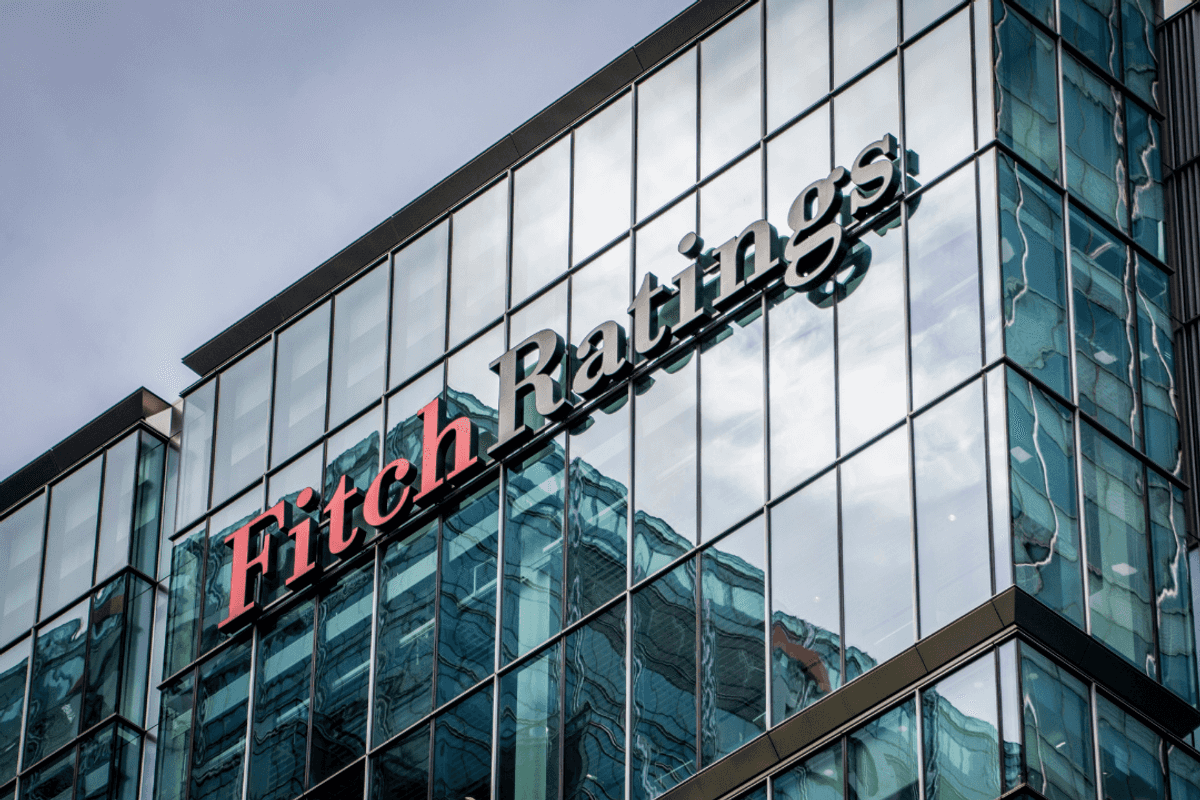
The Fitch Ratings office in London
Shutterstock
Gulf Cooperation Council banking systems face limited immediate credit risks from the regional conflict following attacks launched by Israel and the United States on Iran on Feb. 28, Fitch Ratings said, though prolonged hostilities or damage to energy infrastructure could pose risks over time.
The ratings agency said bank ratings in the GCC are largely driven by expectations of sovereign support, and that most regional governments have sufficient financial headroom to withstand a short conflict that does not escalate significantly.
“GCC sovereign ratings generally have sufficient headroom to withstand a short regional conflict that does not escalate significantly further,” Fitch said, noting that many governments also hold substantial assets that can cushion short-term disruptions to hydrocarbon revenues.
However, the agency warned that lasting damage to key energy infrastructure or prolonged hostilities could pressure sovereign ratings and, in turn, banks. It added that the longer-term direction and stability of Iran’s government — and the implications for regional security — remain uncertain.
Strong buffers limit near-term risks
Fitch said rated GCC banks generally maintain sound financial metrics, with strong liquidity and capital buffers that should contain credit risks if the conflict remains short.
“Our rated GCC banks generally have sound financial metrics, and ample liquidity and capital buffers,” the agency said. “These are likely to contain any risks to credit profiles if the conflict lasts under a month, as we expect.”
Geopolitical risk has long been a key credit consideration for issuers in the region, including banks, although Fitch said the scale and regional spread of the current attacks are unprecedented.
The agency said a key factor to watch will be operating conditions, particularly non-oil economic growth and broader confidence in the region, both of which are important for banks’ credit profiles.
Economic spillovers and funding risks
Fitch said the conflict raises risks to its pre-conflict outlook for 2026, which had assumed strong regional conditions supported by major projects aimed at economic diversification.
Some near-term disruption to oil and gas activity is likely where facilities are temporarily closed, particularly in Bahrain, Kuwait and Qatar, which lack supply routes to bypass the Strait of Hormuz. Non-oil activity could also be affected, with regional air travel disrupted, consumer spending likely slowing and tourism potentially facing longer-lasting pressure due to heightened risk perceptions.
Still, Fitch said that under its baseline scenario — where the conflict remains short and energy export infrastructure is not materially damaged — the economic impact would likely be temporary.
That suggests only limited effects on banks’ loan growth, asset quality and profitability. Metrics could be slightly weaker than previously expected, but the agency said it does not anticipate this affecting rated banks’ standalone viability ratings.
Capital ratios across GCC banks remain solid, supported by strong internal capital generation and tighter prudential regulation in recent years, Fitch said. Funding and liquidity are also strengths for most banking systems in the region, with Qatar — and to a lesser extent Saudi Arabia — being partial exceptions.
The conflict could make it harder for GCC entities to issue debt in international markets, Fitch said. That could increase Saudi banks’ reliance on more expensive domestic funding, raising costs or slowing loan growth slightly.
However, Fitch said the impact on Saudi banks’ credit profiles would likely remain limited given their strong capital and liquidity buffers.
More significant risks could emerge if the conflict causes longer-term reputational damage to countries that have positioned themselves as safe havens for international businesses and expatriates. An outflow of expatriates could pressure housing markets in parts of the Gulf and weigh on banks’ asset quality.
Government fiscal responses will also play a role after the conflict, Fitch said. Loan growth could accelerate if governments increase spending to support economic activity.




Comments
See what people are discussing