

Pakistan worker remittances fall 5% to $3.8 billion in March
Cumulative nine-month inflows cross $30 billion in FY26; inflows from Saudi Arabia, UAE dip by up to 7%

Business Desk
The Business Desk tracks economic trends, market movements, and business developments, offering analysis of both local and global financial news.
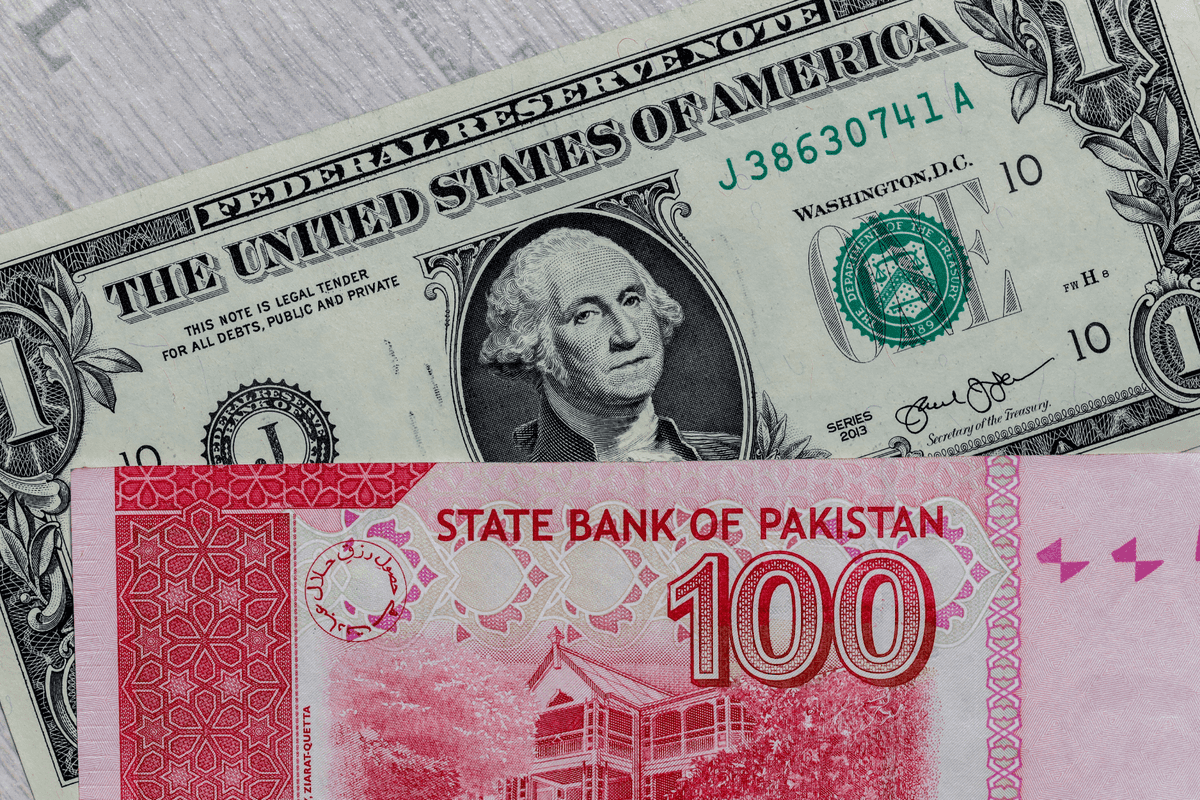
Workers' remittances to Pakistan declined 5.5% year-on-year in March, weighed down by a high base from the same month last year.
Remittances totaled $3.8 billion in March, down from $4.1 billion in March 2025, according to State Bank of Pakistan. On a month-on-month basis, inflows rose sharply — up from $3.3 billion in February.
Cumulatively, Pakistan received $30.3 billion in remittances from July to March in fiscal year 2026, up 12.2% from $27 billion in the same period last year. The nine-month figure extends a trend of double-digit annual growth that has persisted through much of FY26.
SBP data shows the largest inflows in March came from Saudi Arabia with $918.4 million, followed by the United Arab Emirates with $823.7 million, the United Kingdom with $587.3 million, and the United States with $359.3 million.
Saudi Arabia and the UAE — which together account for the bulk of Pakistan's remittance receipts — both posted year-on-year declines in March.
Inflows from Saudi Arabia fell 6.8% from $985.8 million in March 2025, while those from the UAE dropped 2.2% from $841.9 million. The two Gulf states are home to the largest concentrations of Pakistani overseas workers, with an estimated 2.7 million Pakistanis in Saudi Arabia and around 1.7 million in the UAE, making their contribution to the country's external finances disproportionately large.
Remittances remain a key pillar of Pakistan's external accounts, financing a significant portion of the country's trade deficit.
Analysts expect remittance inflows to remain strong this year, projecting they could reach around $42 billion in FY26, compared with about $38 billion last year, though any sustained softening from key Gulf markets — particularly Saudi Arabia and the UAE — could weigh on the final tally.




Comments
See what people are discussing