


News Desk
The News Desk provides timely and factual coverage of national and international events, with an emphasis on accuracy and clarity.
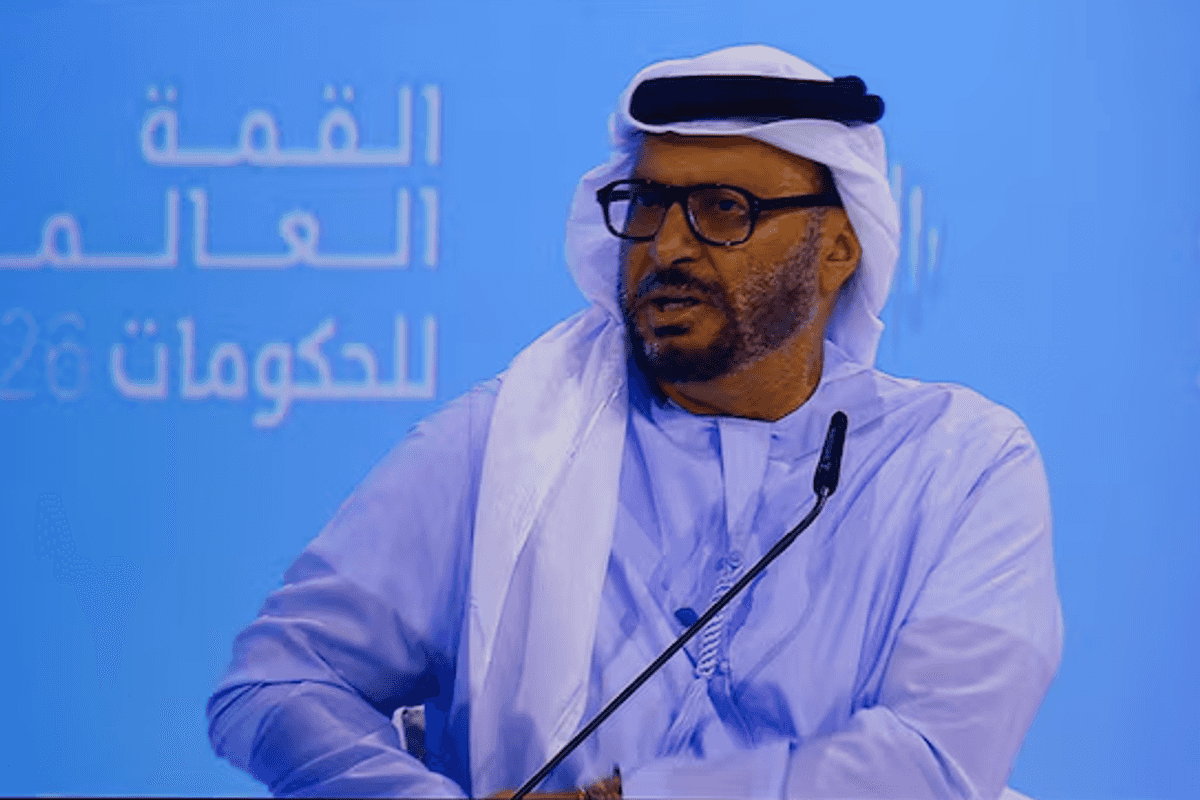
Anwar Mohammed Gargash, Diplomatic Adviser to the UAE President, has called for substantive talks between Iran and its Gulf neighbors alongside negotiations involving Washington.
UAE diplomatic adviser Anwar Gargash said any resolution to the Iran war must bring lasting peace, not a temporary fix, Gulf News reported. He called for substantive talks between Iran, Gulf states and Washington to prevent fighting from breaking out again within months.
What did Gargash say about ending the Iran war?
Gargash told Foreign Affairs the region needs a settlement with real permanency, not a patch-up deal. He warned that a quick fix risks renewed conflict within three to five months. Lasting peace, he said, requires structured talks at multiple levels, not just between Washington and Tehran.
Why does the UAE want Gulf-Iran talks?
Gargash said discussions between Iran and Gulf states, individually or as a group, matter as much as US-Iran negotiations. Future talks must move beyond immediate transactional issues, he said. He called for a focus on building confidence and reducing hostility between both sides.
His comments came nearly seven months after the US-Israeli war against Iran began on February 28. Diplomatic efforts to end the conflict continue. Gargash said the UAE opposed the war from the outset, based on past experience of how regional conflicts tend to drag on.
He said the UAE had warned its partners in Washington and elsewhere against the war for this reason. The consequences, he added, would take years to fully resolve.
How big was Iran's attack on the UAE?
Gargash said the UAE had no early warning that war was coming. Rising tension in US-Iran nuclear talks had already led the UAE to expect a wider conflict. Once fighting started, the UAE anticipated Iranian strikes on Gulf states.
The scale of the attacks still exceeded expectations, he said. Iran fired 3,300 missiles and drones at the UAE, with 95 percent aimed at civilian infrastructure. The UAE's interception rate stayed in the "upper 90s," according to Gargash.
He described the conflict as two separate wars from the UAE's perspective. One involved the US and Israel against Iran. The other involved Iran against Gulf states, which the UAE tried to keep conceptually apart.
Why does deterrence matter to the UAE?
Gargash said building deterrence was essential for the UAE, though not an end in itself. He said deterrence now creates room for greater diplomacy. The war, he added, badly damaged trust between Iran and Gulf countries.
He said the fighting crossed red lines that had held for decades despite ongoing tension. Diplomatic relations with Iran will likely resume, Gargash said, but on more limited terms. Rebuilding trust, he added, will take time.
What role does the US still play in Gulf security?
Gargash said the war has made the US more important to Gulf security, not less. Still, he said Gulf states cannot depend on American forces alone for protection. American military power ultimately serves American interests, he said, not the region's.
He said the UAE must build its own defense capacity while continuing to pursue diplomacy. The UAE remains focused on its relationship with Washington, he added, while also pursuing "strategic autonomy" and stronger ties across Asia. Gargash said China could help by supporting maritime security in the Strait of Hormuz and encouraging a political deal with Iran.
What did Gargash say about Gaza and Palestine?
Gargash said the UAE has used its ties with Israel to help deliver humanitarian aid to Gaza, worth nearly $4 billion so far. He said the relationship also gives the UAE some influence over West Bank developments, though he acknowledged limits to that influence.
Gargash reaffirmed UAE support for a two-state solution and Palestinian statehood. He also called for reform of the Palestinian Authority.
What is the UAE's vision for the region's future?
Asked about new regional security arrangements, including the Mecca Pact involving Saudi Arabia, Turkey and Pakistan, Gargash pointed to a broader UAE goal. He said the region's future should be built on economic cooperation rather than confrontation.
He cited the UAE's focus on trade agreements, liberalization and economic growth as evidence of that approach.



Comments
See what people are discussing