

Pakistan awaits Iran’s decision on US talks as ceasefire deadline nears
Information Minister Attaullah Tarar says formal confirmation from Iran regarding its delegation’s attendance has not yet been received
Aamir Abbasi
Editor, Islamabad
Aamir; a journalist with 15 years of experience, working in Newspaper, TV and Digital Media. Worked in Field, covered Big Legal Constitutional and Political Events in Pakistan since 2009 with Pakistan’s Top Media Organizations. Graduate of Quaid I Azam University Islamabad.

News Desk
The News Desk provides timely and factual coverage of national and international events, with an emphasis on accuracy and clarity.
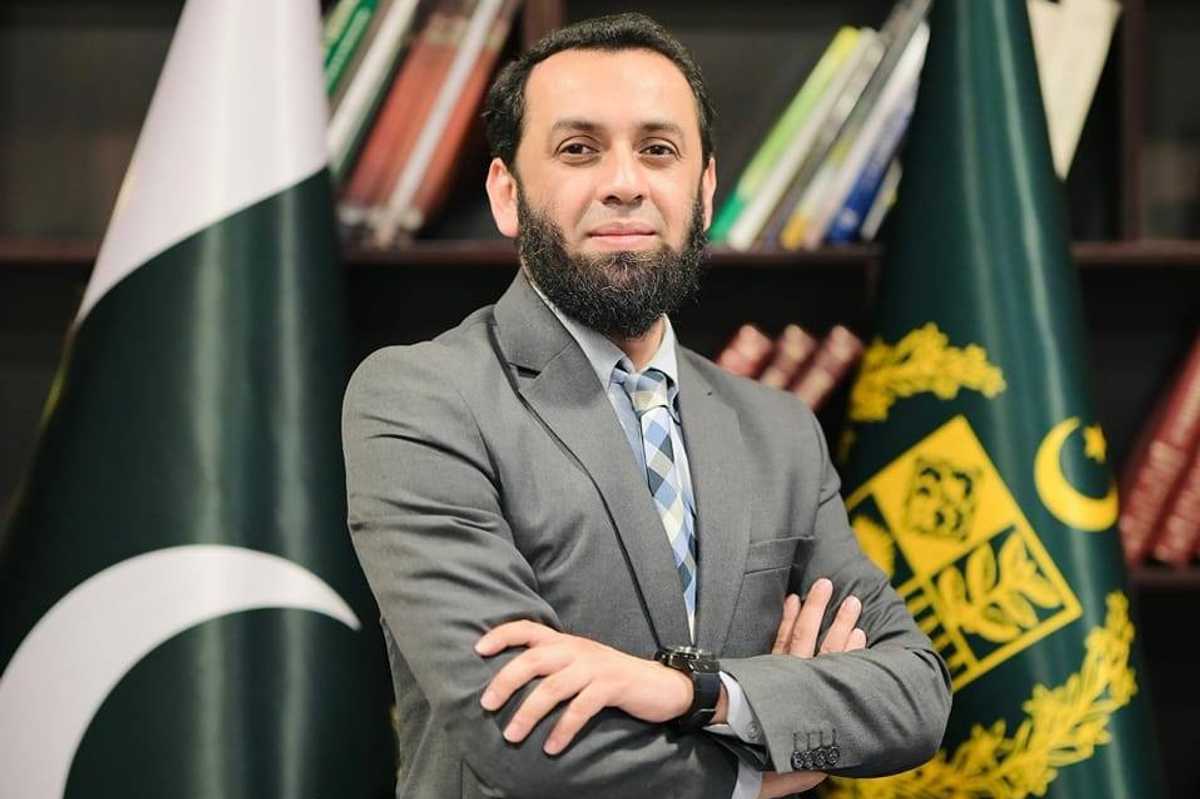
Pakistan’s information minister said Tuesday that a formal response from Iran on whether it will participate in a second round of U.S.-Iran peace talks in Islamabad is still awaited, as diplomatic efforts continue ahead of a looming ceasefire deadline.
Information Minister Attaullah Tarar said Pakistan is actively working to secure Iran’s participation in the upcoming talks scheduled in the capital. He said the situation remains fluid as regional developments are being closely monitored.
According to Tarar, a formal confirmation from Iran regarding its delegation’s attendance has not yet been received. He said the talks are viewed as an opportunity to sustain dialogue and ease tensions between the parties.
Pakistan, acting as a mediator, remains in continuous contact with Iranian officials and is committed to advancing diplomacy as the primary path toward stability, according to officials. They emphasized that engagement and dialogue are essential for achieving lasting peace in the region.
The current ceasefire is set to expire at 4:50 a.m. Pakistan Standard Time on April 22, making Iran’s decision on participation critical before the deadline. Diplomatic sources said timely engagement could play a decisive role in maintaining the fragile truce.
Pakistan has made repeated efforts to persuade Iranian leadership to join the second round of negotiations in Islamabad, and officials said those efforts are ongoing.
Uncertainty continues over whether last-minute talks will take place between Washington and Tehran in Islamabad, with no confirmation that Iran will send a delegation.
Washington has expressed confidence that the talks would proceed, while Iran has said it is still considering participation.
US signals confidence
In an interview with The John Fredericks Show, U.S. President Donald Trump said Iran would eventually return to negotiations and warned of consequences if it did not.
“Well, they’re going to negotiate, and if they don’t, they’re going to see problems like they’ve never seen before,” Trump said.
He said he hoped for a “fair deal” that would allow Iran to rebuild while permanently preventing it from obtaining nuclear weapons.
“They’ll have no access to, no chance of having, a nuclear weapon. And we can’t allow that to happen,” he said.
Trump also defended recent U.S. military action. “And I have to say, we had no choice in Iran. It wasn’t like we had a choice. We had to do it,” he said.
Iran questions talks amid tensions
Trump’s remarks came as Washington and Tehran exchanged warnings over the ceasefire, adding to uncertainty around the U.S.-announced talks in Pakistan.
The White House said Vice President JD Vance was prepared to travel to Pakistan for a second round of negotiations.
Iranian officials have not confirmed participation and have accused Washington of undermining the truce through continued pressure, including maritime restrictions.
Mohammad Bagher Ghalibaf, who led Iran’s delegation in earlier Islamabad talks, said the United States was trying to force concessions.
“By imposing a blockade and violating the ceasefire, Trump wants to turn this negotiating table into a surrender table or justify renewed hostilities, as he sees fit,” Ghalibaf said on X.
“We do not accept negotiations under the shadow of threats, and in the last two weeks we have been preparing to show new cards on the battlefield,” he added.


Comments
See what people are discussing