

Global coal prices surge, raising risks for Pakistan’s cement industry
Prices hit two-year high as LNG disruption fears shift demand to coal

Business Desk
The Business Desk tracks economic trends, market movements, and business developments, offering analysis of both local and global financial news.
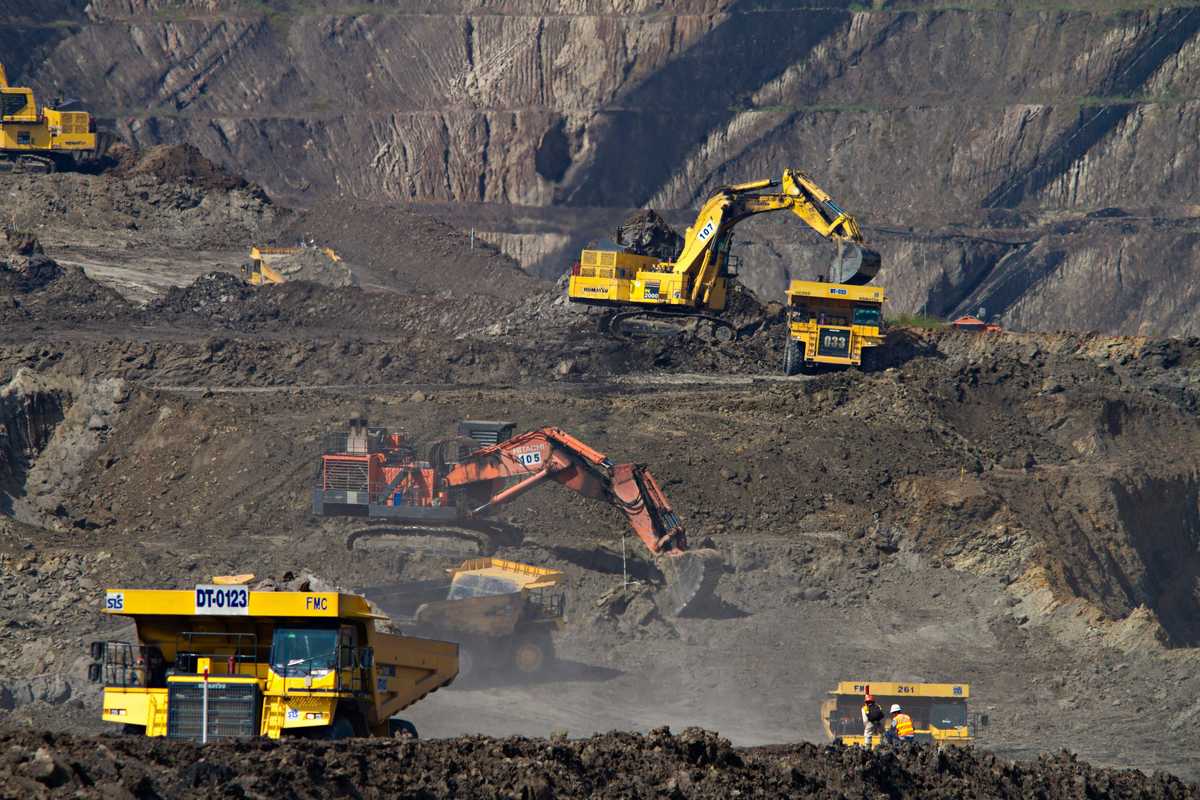
Escalating geopolitical tensions involving the United States, Israel and Iran have pushed global coal prices to a two-year high, raising concerns about the impact on energy markets and Pakistan’s cement sector, according to Insight Securities.
Coal prices have climbed to about $110 per ton, compared with an average of roughly $95 per ton over the past two months, the brokerage said. The increase comes amid fears that a prolonged closure of the Strait of Hormuz could disrupt global liquefied natural gas (LNG) supplies, prompting a shift toward alternative fuels such as coal.
“Escalating geopolitical tensions between the U.S. and Iran could further tighten coal markets,” Insight Securities said, noting that nearly 20% of global LNG trade passes through the Strait of Hormuz. “If the conflict were to prolong and the strait remain closed, tightening LNG supply could prompt a shift toward alternative fuels such as coal, potentially exerting further upward pressure on prices.”
Prices rebound
Coal prices had been on a declining trend over the past two years due to slower global economic activity and the growing share of renewable energy, easing to around $85-90 per ton. However, recent supply constraints, including reduced production quotas in Indonesia, have contributed to the rebound.
The brokerage drew parallels with the 2022 energy crisis following the Russia-Ukraine war, when European countries turned to coal as an alternative to Russian gas. Prices surged from above $200 per ton to more than $400 per ton during that period.
Pakistan’s cement industry, which relies heavily on coal for kiln operations, could face renewed pressure if prices continue to rise. Fuel costs account for about 40% to 45% of total cost of goods sold, and higher coal prices previously led to margin compression across the sector.
Effect on profitability
“Longevity of the conflict could materially increase fuel costs and impact the sector’s profitability,” Insight Securities said.
The report noted that cement manufacturers previously passed on higher costs to consumers, with retail prices rising from about PKR 768 per bag in January 2022 to PKR 1,080 per bag by June 2022. While producers later diversified their fuel mix, including using local and Afghan coal, the closure of the Afghan border has increased reliance on imported coal once again.
A sustained rise in energy prices could also weigh on broader economic conditions, increasing inflation and interest rates while dampening construction demand. Remittances — particularly from Gulf countries such as Saudi Arabia and the United Arab Emirates — could also be affected, further slowing domestic consumption.
Cement demand in Pakistan remains weak, with industry utilization hovering around 55%, according to the report. Northern manufacturers may face greater challenges due to limited access to local coal, while southern players remain almost entirely dependent on imported RB coal.
Higher production and freight costs could also make clinker exports less competitive, as they are already being sold at breakeven levels, the brokerage said.
Cement stocks have declined since the onset of the conflict and are currently trading at a price-to-earnings ratio of about 7 times, compared with 9 times in December. Insight Securities said any improvement in the geopolitical situation could help revive investor interest in the sector.





Comments
See what people are discussing