

Global gold demand hits record $193 billion in Q1 2026 as investors rush to safe haven
Global gold demand rose 2% year-on-year to 1,231 tonnes in the first quarter of 2026, according to the World Gold Council

Business Desk
The Business Desk tracks economic trends, market movements, and business developments, offering analysis of both local and global financial news.
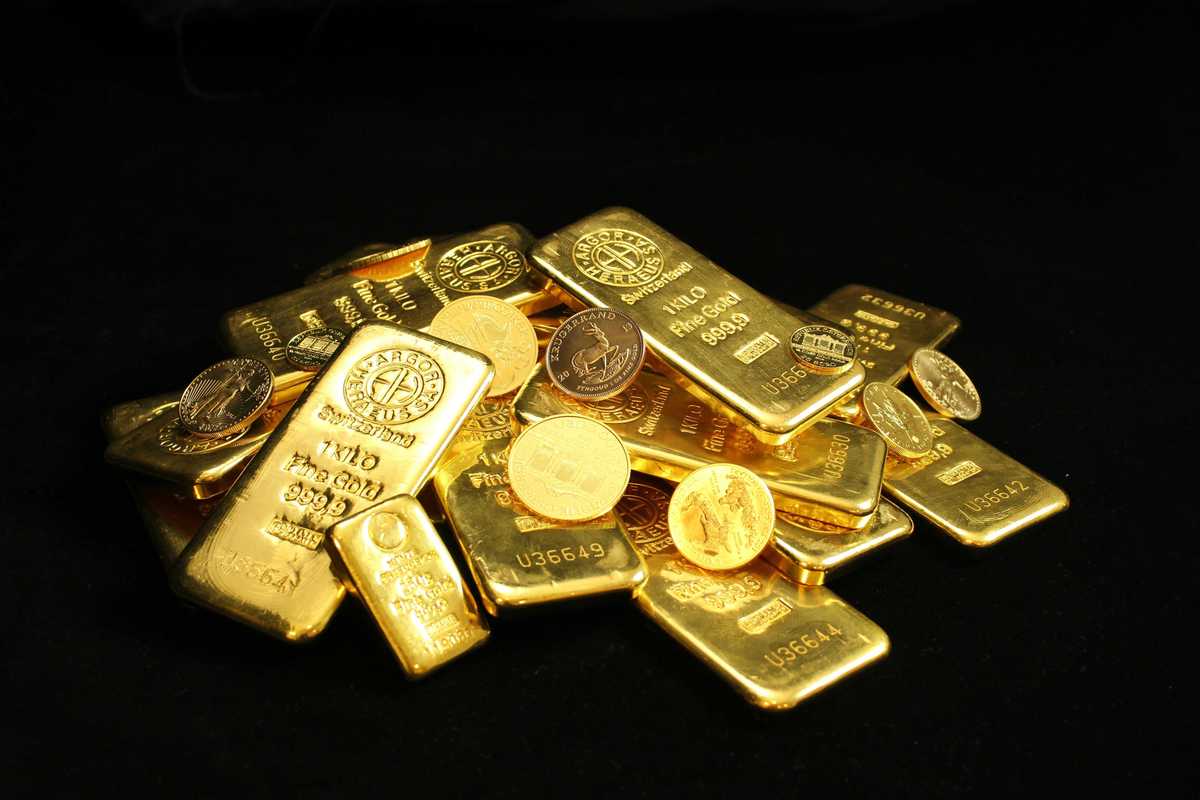
Global gold demand rose 2% year-on-year to 1,231 tonnes in the first quarter of 2026, according to the World Gold Council. A sharp rise in prices pushed the total value of quarterly demand up 74% to a record $193 billion, driven by surging bar and coin purchases and steady central bank buying.
What drove global gold demand to a record value in Q1 2026?
Investment demand led the gains, with bar and coin purchases surging 42% year-on-year to 474 tonnes, the second-highest quarterly level on record.
The combination of price momentum and heightened geopolitical risk propelled this buying, most notably across Asia. Investors in China, India, South Korea, and Japan dominated the trend, with buying also increasing in the United States and Europe.
Gold-backed exchange-traded funds also recorded positive inflows of 62 tonnes during the quarter, though this marked a slowdown from the 230 tonnes of net inflows seen in the same period last year.
Significant outflows from US-listed funds in March contributed to the moderation. A gold market expert noted that the broader shift toward bars and coins reflects growing uncertainty in global markets.
How much gold did central banks buy in Q1 2026?
Central banks purchased a net 244 tonnes of gold in the first quarter, up 3% from a year earlier, continuing to underpin overall demand.
The buying came despite increased selling activity from some institutions, including those in Türkiye, Russia and Azerbaijan. Gold used in technology applications also rose marginally, up 1% to 82 tonnes, driven largely by expansion in artificial intelligence infrastructure.
Why did jewellery demand fall despite record gold prices?
Jewellery demand dropped 23% year-on-year in volume terms to around 300 tonnes, as record prices discouraged buyers across major markets including China, India, and the Middle East.
Consumer spending on jewellery still rose 31% in value terms, reflecting continued interest despite high prices. Some jewellery consumption shifted toward bar and coin investments, particularly in key Asian markets, according to a gold market expert.
What happened to gold prices in Q1 2026?
Gold prices were volatile during the quarter, reaching a record high of $5,405 per ounce in January before correcting. Overall, prices posted a 6% return during the quarter. The average price surged 81% year-on-year to $4,873 per ounce.
On the supply side, total gold supply increased 2% year-on-year to 1,231 tonnes, supported by modest gains in mine production and a 5% rise in recycling.
What is the gold demand outlook for the rest of 2026?
The World Gold Council expects investment and central bank demand to remain supported by ongoing geopolitical risk, elevated inflation, and persistently high gold prices.
Jewellery demand is expected to stay under pressure for similar reasons, though spending in value terms is likely to remain resilient. Geopolitical tensions continue to attract retail investors globally to gold's safe-haven appeal.





Comments
See what people are discussing