

Global LNG supply could shift to surplus by 2030 despite Middle East disruptions
New export projects worldwide are expected to outpace demand growth, potentially easing prices later this decade

Business Desk
The Business Desk tracks economic trends, market movements, and business developments, offering analysis of both local and global financial news.
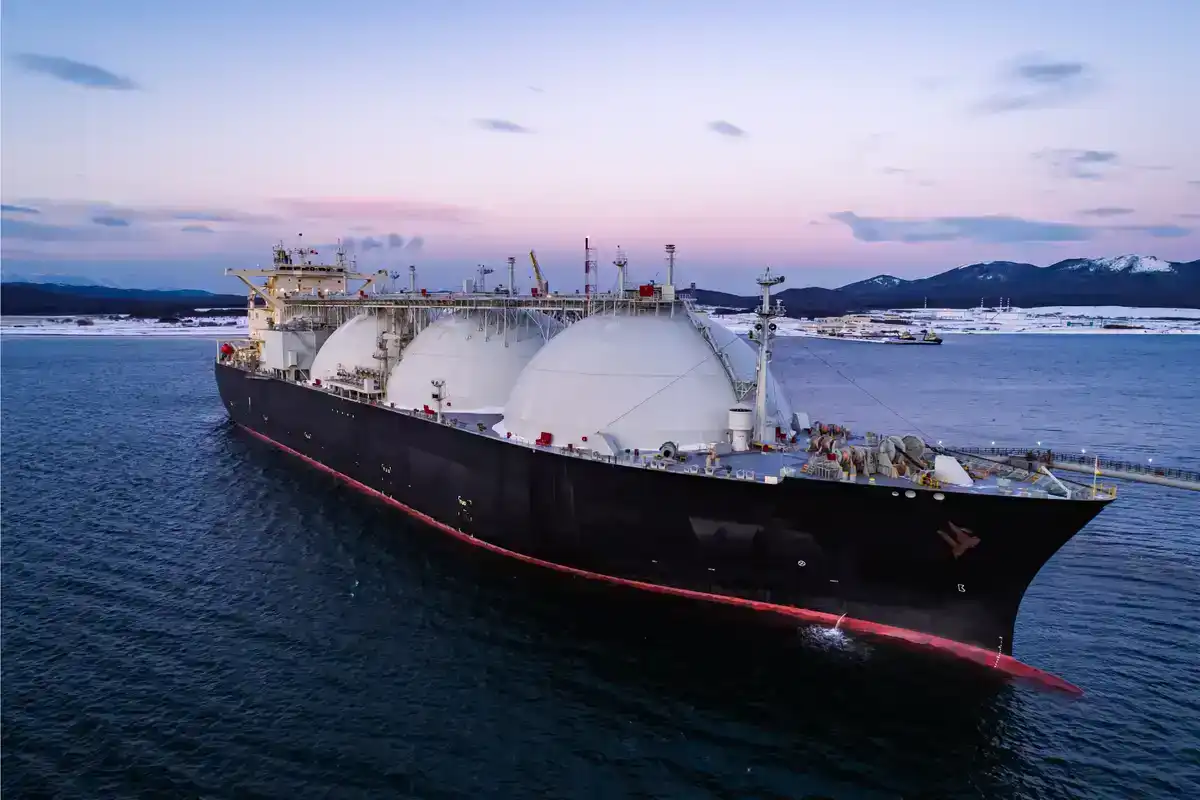
Global LNG supply could enter surplus by 2030
The global liquefied natural gas (LNG) market is likely to face a prolonged supply glut later this decade despite recent disruptions caused by conflict in the Middle East, according to a Bloomberg Opinion analysis by energy and commodities columnist Javier Blas.
The assessment comes as LNG prices have surged following the closure of the Strait of Hormuz and the shutdown of Qatar's major LNG export facilities, developments that temporarily removed a significant portion of global supply from the market.
However, Blas argues that the current supply shock is unlikely to prevent a looming wave of new LNG production capacity scheduled to come online between 2026 and 2030.
Prices Expected to Ease After Current Crisis
According to the analysis, benchmark Asian LNG prices rose sharply after the outbreak of conflict involving Iran, reaching about USD 30 per million British thermal units (MMBtu) in March, up from less than USD 11 in February. However, prices remain well below the nearly USD 70 per MMBtu recorded following Russia's invasion of Ukraine in 2022.
Blas said LNG prices are expected to decline once shipping through the Strait of Hormuz resumes and geopolitical tensions ease.
"The contours of a long-term surplus are already starting to emerge," he wrote, noting that the market is preparing for another major supply expansion cycle.
Asian Buyers Likely to Diversify Supply Sources
The closure of the Strait of Hormuz, through which roughly 20% of global LNG supplies transit, is expected to reshape purchasing strategies among major Asian importers, according to the analysis.
Countries such as Pakistan, India and Bangladesh, which rely heavily on imported LNG, are likely to seek greater supply diversification to reduce exposure to geopolitical risks in the Gulf region.
Blas said the crisis could accelerate investment in LNG projects outside the Middle East, particularly in North America, Africa and Latin America.
"Everything outside Hormuz gets built," he wrote, suggesting buyers may support projects previously considered commercially uncertain.
Massive Capacity Expansion Underway
The report highlights a substantial pipeline of new LNG projects worldwide.
Citing estimates from the International Energy Agency (IEA), Bloomberg reported that the LNG industry approved about 100 billion cubic meters of new liquefaction capacity in 2025, the highest annual total on record.
The IEA estimates that more than 700 billion cubic meters of LNG projects worldwide are still seeking final investment decisions, including about 110 billion cubic meters in the United States that have already received regulatory approval.
Global LNG production currently stands at nearly 600 billion cubic meters annually.
If all proposed projects move forward, worldwide LNG supply could more than double in the coming years, according to the analysis.
Demand Growth May Not Keep Pace
While supply is expected to expand significantly, Blas questioned whether global demand would be sufficient to absorb the additional volumes at current price levels.
He argued that lower LNG prices may be required to stimulate new consumption, particularly in developing Asian economies.
The analysis also noted that LNG has endured two major geopolitical shocks in four years — Russia's invasion of Ukraine and the recent conflict involving Iran — prompting policymakers to accelerate efforts to diversify energy sources.
Renewable Energy and Coal Remain Alternatives
According to Bloomberg Opinion, energy-importing countries increasingly have alternatives to LNG, including solar power paired with battery storage and coal-fired generation.
As governments seek to improve energy security, diversification may occur not only away from specific LNG suppliers but also away from LNG itself.
"The diversification will be away from LNG itself," Blas wrote, arguing that concerns over supply security could limit long-term demand growth even as global production capacity expands.
The analysis concludes that while current geopolitical tensions have tightened the LNG market and lifted prices in the short term, the longer-term outlook points to abundant supply and potentially lower prices later this decade, provided planned export projects proceed as expected.



Comments
See what people are discussing