

Govt plans new auto levy on 1,000cc-plus vehicles to offset PKR 85 billion EV tax relief
EVs up to USD 50,000 would keep a 1% sales tax instead of the 18% the IMF sought, according to official documents and sources

Business Desk
The Business Desk tracks economic trends, market movements, and business developments, offering analysis of both local and global financial news.
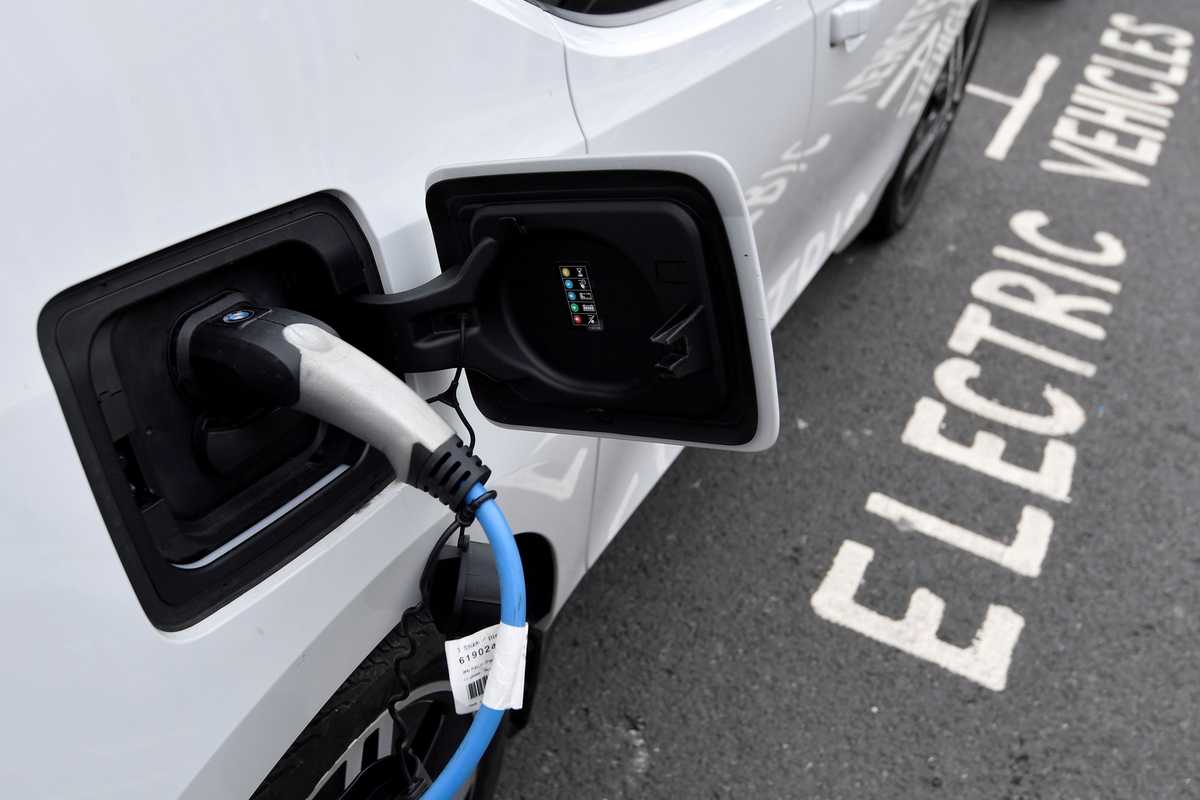
Pakistan plans to impose a new Automotive Development Levy on vehicles with engine capacities exceeding 1,000cc, seeking to generate PKR 85 billion in revenue to offset tax concessions for electric vehicles (EVs) under its newly unveiled auto policy, according to official documents and government sources.
The government is also considering introducing the proposed tax and levy measures through a Finance Bill to be presented to parliament, sources said. They added that Prime Minister Shehbaz Sharif’s directives had helped resolve objections raised by the International Monetary Fund (IMF) over the policy.
EVs keep the 1% sales tax
Under the proposed arrangement, electric vehicles valued at up to USD 50,000 would be subject to a 1% sales tax, instead of the 18% rate sought by the IMF. The concession is expected to provide tax relief worth PKR 85 billion, which the government intends to offset through alternative revenue measures, sources said.
The IMF had called for raising the sales tax on electric vehicles from 1% to 18%. The government has instead proposed an alternative mechanism involving the Automotive Development Levy and Federal Excise Duty (FED) to address the revenue implications while retaining incentives for EV adoption.
How the levy would work
Under the proposed structure, petrol and internal combustion engine (ICE) vehicles with engine capacities from 1,001cc to 2,000cc would face a 2% levy, while those above 2,000cc would be charged 10%, according to the policy document. The levy would apply to both locally manufactured and imported vehicles.
The government expects to generate about PKR 37 billion from the levy on petrol, diesel and other ICE vehicles, while another PKR 45 billion could be collected from buses and trucks, the document said.
In addition, petrol, diesel and ICE vehicles would remain subject to a carbon levy, expected to generate about PKR 25 billion, government sources said.
The government is also considering a 10% FED on EVs valued above PKR 20 million, sources said. The levy would partly finance the development of EV charging infrastructure, including the expansion of charging stations across the country, they added.
Finance Bill route
The proposed measures reflect the government’s attempt to balance its EV promotion targets with revenue requirements under its economic reform commitments with the IMF.
The Finance Bill route would allow the government to seek parliamentary approval for the proposed taxation and levy changes, although the final structure and implementation details remain subject to the legislative process.




Comments
See what people are discussing