

Hormuz crisis could cost Pakistan's exporters over $1 billion
War risk surcharges and rising freight rates are threatening the country's textile sector, which drives 60% of national exports

Business Desk
The Business Desk tracks economic trends, market movements, and business developments, offering analysis of both local and global financial news.
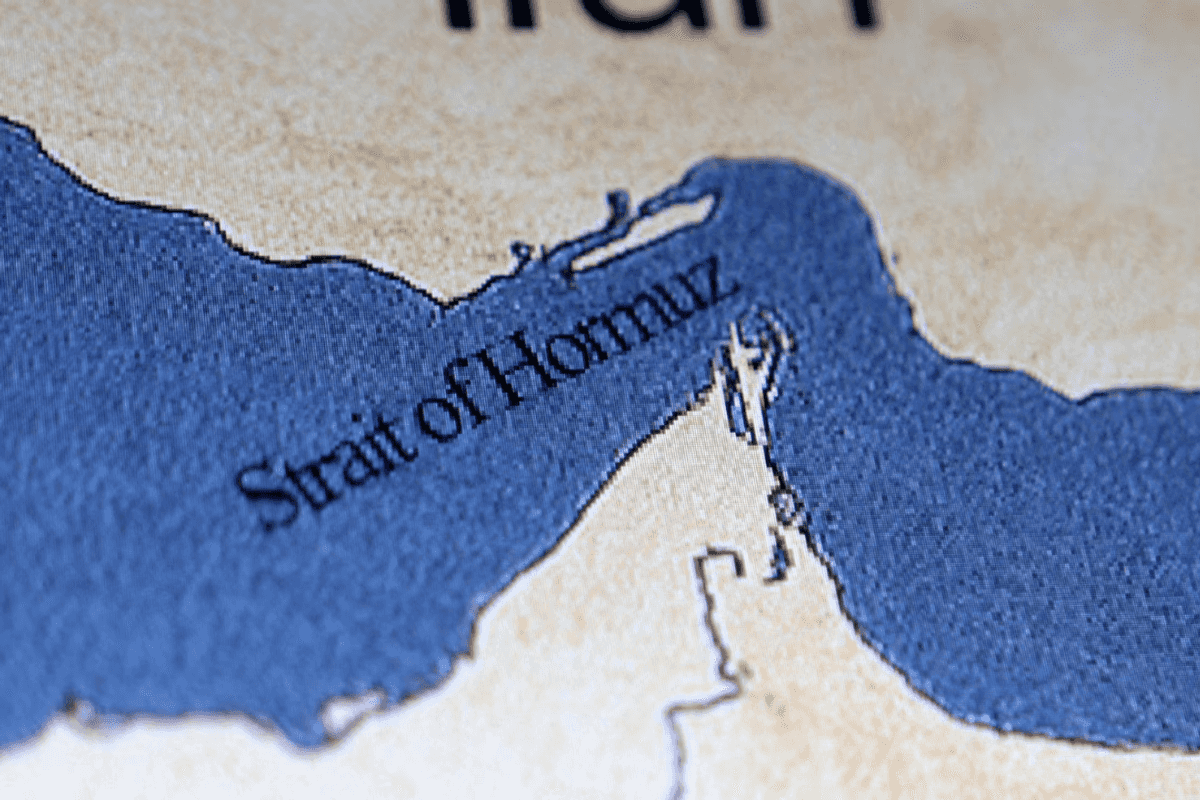
Pakistan’s exporters could face more than $1 billion in additional shipping costs if disruption in the Strait of Hormuz continues, the Pakistan Textile Council warned Thursday, saying rising freight rates and war risk surcharges threaten the competitiveness of the country’s largest export sector.
In a policy paper submitted to the government, the council said the disruption caused by the ongoing U.S.-Israel military campaign against Iran has already begun affecting global shipping routes and insurance costs for vessels traveling through the Gulf.
Pakistan’s textile industry accounts for more than 60% of national exports and about 8.5% of gross domestic product, but the sector was already under pressure due to high energy costs and weak global demand.
The Hormuz crisis is now adding another layer of risk.
50-60% of exports can be affected
Pakistan handled 3.8 million containers, or twenty-foot equivalent units (TEUs), in 2025, averaging about 10,400 containers per day, according to the council.
Much of that trade moves through Gulf transshipment hubs such as Jebel Ali in the United Arab Emirates and Salalah in Oman, meaning 50% to 60% of Pakistan’s imports and exports are directly exposed to the disruption, the report said. About 50,000 containers are already stuck near those ports.
Foreign container lines have begun imposing war risk surcharges of $2,000 to $3,000 per container on cargo routed to Pakistan.
“At 10,400 TEUs per day, even a 30-day disruption at an average surcharge of $2,500 translates to approximately $780 million in additional freight costs,” the council said. “Across a prolonged disruption, the burden could exceed $1 billion, entirely borne by Pakistani exporters.”
Pakistan has little leverage over shipping costs because its container trade relies entirely on foreign carriers. The national shipping line, Pakistan National Shipping Corp., operates only petroleum vessels and does not provide container capacity, the council noted.
Production cost to rise
The report also warned of rising production costs for exporters. Liquefied natural gas is widely used in textile processing, but industrial consumption has already fallen by about 75% due to high prices, the council said. Further price increases could force factories to switch fuels or cut output.
Supply chains may also be affected. Pakistan imports about $650 million annually in synthetic fibers and chemicals, many of which pass through Gulf shipping routes.
To ease the pressure, the council urged the government to establish a $25 million to $50 million war risk guarantee fund to offset risks faced by shipping lines and discourage blanket surcharges. The fund could be financed through the Export Development Fund, which currently holds about 52 billion rupees ($186 million).
It also called for developing domestic war risk insurance through state insurers, reviewing surcharge levels through the Competition Commission of Pakistan, and negotiating caps with major global carriers.
“The government has direct and immediately actionable policy tools available,” the council said, warning that the next 60 to 90 days will be critical for Pakistan’s exporters to maintain their order books and market positions.





Comments
See what people are discussing