

Houthis claim missile strike on Saudi Arabia as Trump weighs harder Iran strikes
Houthi rebels claimed a missile attack on Jizan, Saudi Arabia, as Trump said he had not yet decided whether to escalate military action against Iran

News Desk
The News Desk provides timely and factual coverage of national and international events, with an emphasis on accuracy and clarity.
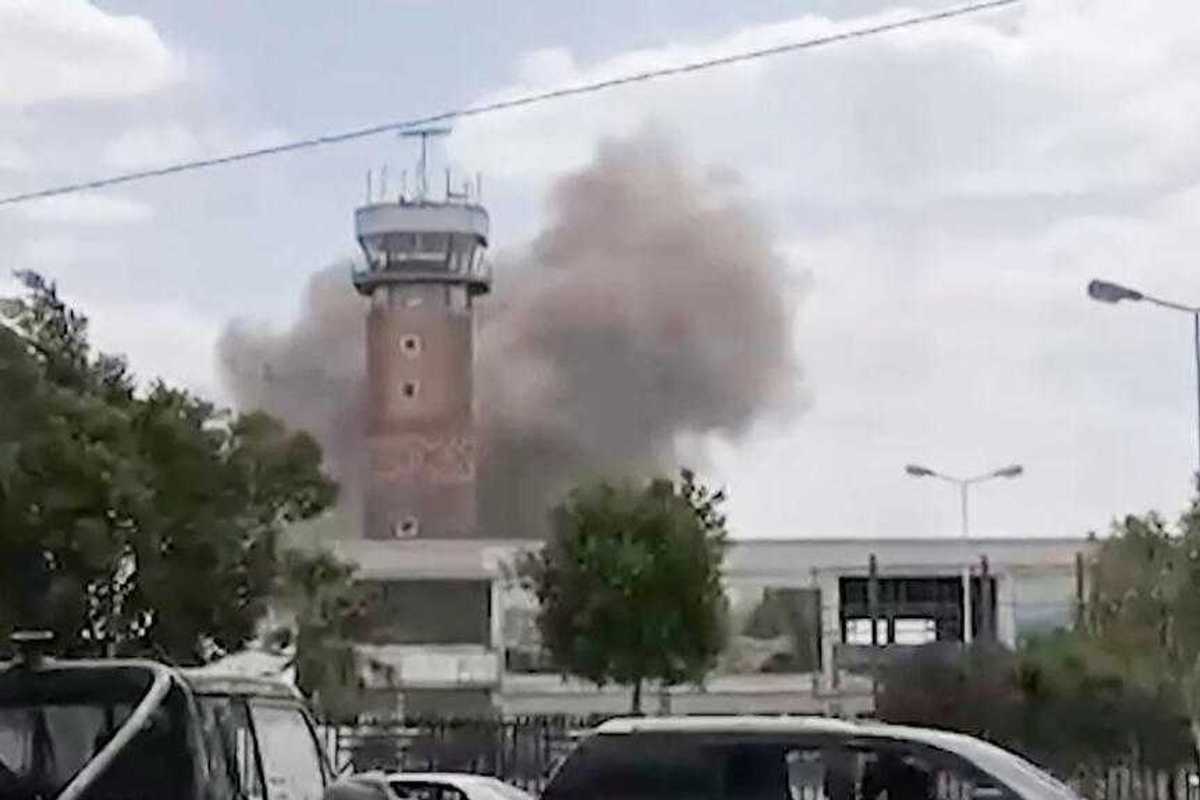
The aftermath of a Houthi strike on Sanaa airport earlier in July.
Yemen's Houthi movement claimed on Saturday it had launched a missile strike on Saudi Arabia, opening another front in the widening regional conflict as US President Donald Trump said he had not yet decided whether to authorise a broader military campaign against Iran. The Houthis said the strike caused fires in the Saudi city of Jizan, though Saudi authorities did not confirm the claim.
What triggered the Houthi missile attack on Saudi Arabia?
The Houthis accused Riyadh of a "dangerous escalation" after Saudi forces struck Houthi military positions on Friday, targeting sites the Saudi-led coalition said posed a threat to commercial shipping in the Red Sea. The strikes hit a naval base in Hodeida and a military camp on Kamaran Island, according to a Yemeni security source. The Houthis had earlier declared a maritime blockade against Saudi Arabia and attacked Saudi-linked vessels in the Red Sea.
Saudi civil defence officials issued precautionary alerts to residents in both Jizan and Yanbu early Saturday in response to the Houthi claim, published on the group's Ansarollah Telegram channel. The exchange further broadens a conflict that erupted after US and Israeli strikes on Iran in February. It also comes as Iran's blockade of the Strait of Hormuz has left Saudi Arabia's Red Sea ports as a critical alternative maritime route.
What did Trump say about escalating military action against Iran?
Speaking to reporters at the White House, Trump said he had not yet approved a major strike on Iran, adding that diplomatic contacts with Tehran were continuing. He said he wanted to assess whether negotiations could still produce results before deciding on further military action. "We're talking to them right now. I think they're getting more and more serious as the days go by," Trump said.
Trump warned that Iran faced a choice between reaching an agreement or confronting a "much higher level" of military action after nearly two weeks of US attacks that shattered an earlier ceasefire. He said preventing Iran from acquiring a nuclear weapon remained his primary objective, and declined to specify what the tipping point for a wider campaign would be. The conflict, which Trump had initially predicted would last four or five weeks, is now approaching its fifth month.
What is the latest on US strikes against Iran?
For the first time in nearly two weeks, the US military did not announce fresh strikes on Iran on Friday, having reported daily attacks on Iranian military targets for 13 consecutive nights since the conflict began. Washington maintains that its operations are intended to prevent Iran from shutting the Strait of Hormuz, a vital global shipping route. Iran has responded by targeting US military installations across the region, with Tehran claiming strikes on US facilities in Bahrain, Jordan, and Kuwait.
The Islamic Revolutionary Guard Corps also claimed to have targeted an Amazon data centre in Bahrain, according to Iranian state media. Neither Bahrain nor Amazon confirmed the claim, and US officials did not acknowledge attacks on their facilities. Air raid sirens sounded again in Bahrain early Saturday, with the interior ministry urging residents to seek shelter.




Comments
See what people are discussing