

IMF sees UAE economy rebounding in 2027 despite regional conflict
IMF says the UAE economy stays resilient in 2026 despite Middle East conflict, with growth rebounding strongly in 2027.

Business Desk
The Business Desk tracks economic trends, market movements, and business developments, offering analysis of both local and global financial news.
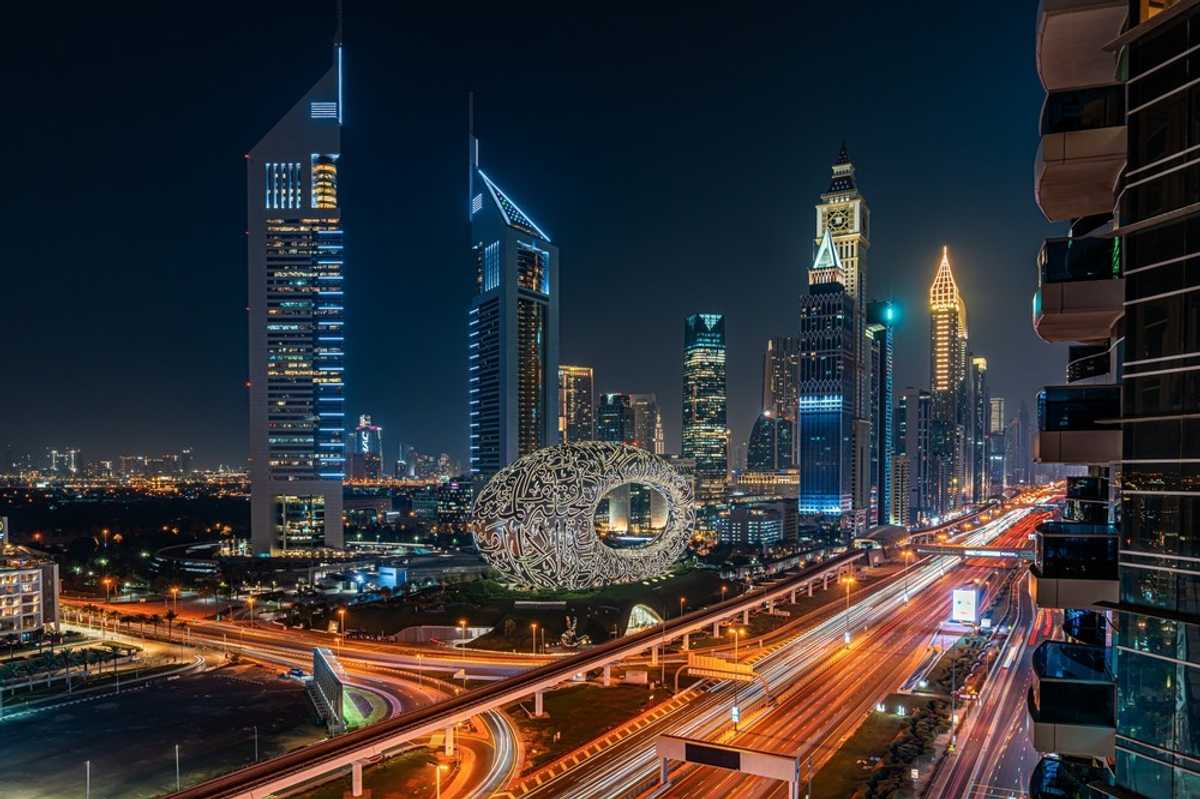
The International Monetary Fund said Friday that the United Arab Emirates' economy has remained resilient despite the Middle East conflict. It projected only a temporary slowdown in 2026, with growth rebounding strongly in 2027 as regional tensions ease and oil production rises.
How has the UAE economy performed amid the Middle East conflict?
The UAE economy has shown significant resilience despite the geopolitical conflict in the Middle East, according to IMF mission chief Said Bakhache. Strong fiscal and financial buffers, along with rapid government action, helped preserve financial stability and maintain market confidence throughout the regional crisis.
The assessment followed a visit by an IMF staff team led by Bakhache to Abu Dhabi and Dubai from July 7 to 16. The mission reviewed recent economic and financial developments and prepared for the UAE's 2026 Article IV consultation.
Why is UAE growth expected to slow in 2026?
The IMF expects overall GDP growth to slow slightly in 2026 after robust growth in 2025, as heightened uncertainty dampens non-oil sectors including tourism, transportation, trade and real estate. Intermittent closures of the Strait of Hormuz continue to weigh on economic activity.
Uncertainty over the duration and intensity of the conflict remains high. Assuming relations between the United States and Iran gradually normalize, the IMF expects the UAE economy to recover in the second half of 2026 as exports rebound and OPEC+-linked production constraints ease.
What is driving the UAE's expected recovery in 2027?
The IMF projects a stronger recovery in 2027, driven by rising hydrocarbon production and renewed growth in non-oil sectors as tourism and trade normalize. Hydrocarbon growth is expected to strengthen later this year as higher oil exports and increased production following the UAE's exit from OPEC offset conflict-related disruptions.
Inflation is forecast to rise modestly in 2026 due to higher global energy and food prices, before easing gradually over the medium term.
How strong are the UAE's fiscal and financial buffers?
The UAE's fiscal position is expected to remain in surplus this year, supported by strong oil revenues and conservative budget management. The surplus is expected to narrow, but elevated oil prices, front-loaded dividend payments and spending-efficiency measures should offset weaker non-oil revenues.
The country's low public debt gives it ample fiscal space to respond if the regional conflict worsens or drags on. The IMF also expects the UAE's external position to stay in surplus, with international reserves providing comfortable import coverage.
Is the UAE banking sector at risk from the conflict?
The IMF said the UAE banking sector remains well-capitalized, with capital and liquidity buffers comfortably above regulatory requirements despite tighter financial conditions since the conflict began. Credit and deposits continue to grow, though private-sector credit expansion is expected to moderate as non-oil activity slows.
The fund noted some softening in the real estate market after years of rapid expansion, though property prices generally remain at or above 2025 levels. Banks' exposure to the property sector remains contained, but the IMF said conditions should continue to be closely monitored.
What does the IMF recommend for UAE policymakers?
Given elevated uncertainty and significant upside and downside risks, the IMF urged policymakers to remain agile, continue prioritizing economic and financial stability, and stand ready to expand targeted support if conditions worsen. The fund said sustained diversification and structural reforms remain essential for long-term growth.
It pointed to deeper trade integration through the UAE's Comprehensive Economic Partnership Agreements, along with continued investment in technology, human capital and supply-chain resilience, as key drivers of future non-oil growth.




Comments
See what people are discussing