

IMF warns Middle East conflict could slow Pakistan economy, urges reforms to maintain stability
The IMF says the Middle East conflict poses rising risks to Pakistan's growth, inflation and remittances, while urging continued reforms under its program.

News Desk
The News Desk provides timely and factual coverage of national and international events, with an emphasis on accuracy and clarity.
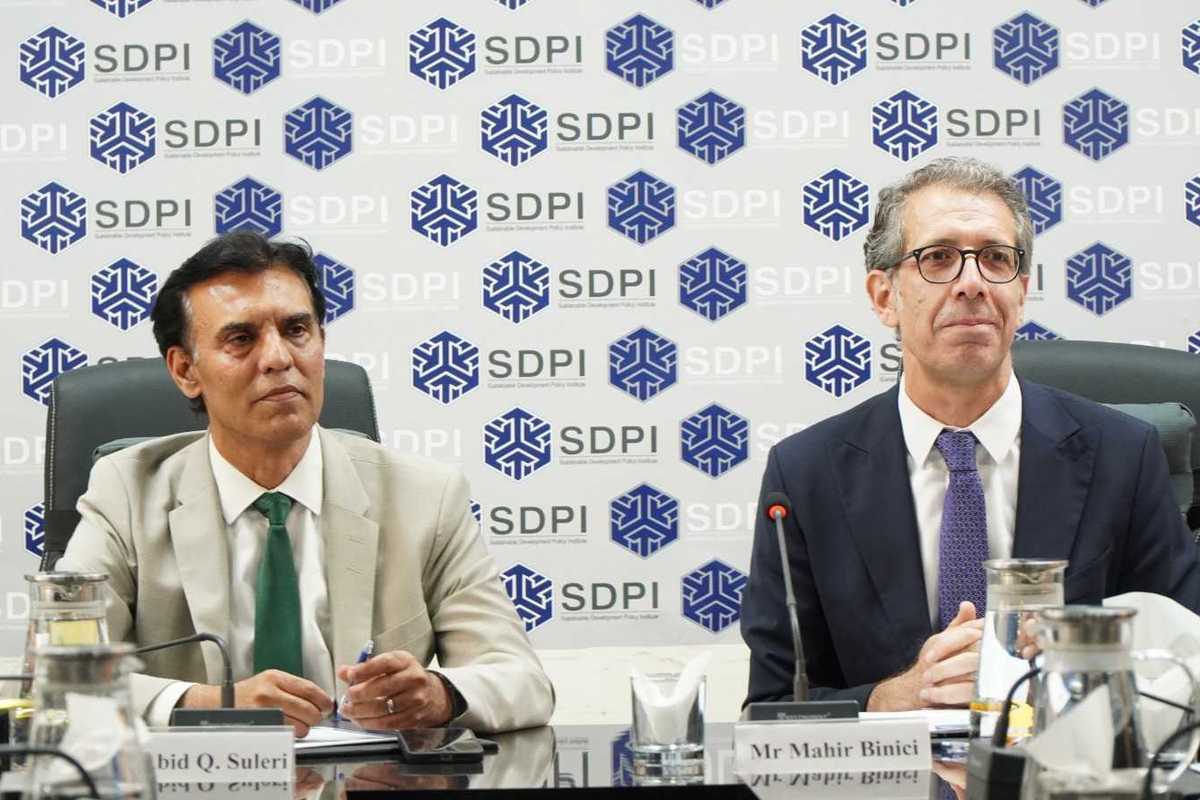
IMF Resident Representative in Pakistan Dr. Mahir Binici addressing a presser alongside SDPI Executive Director Dr. Abid Qaiyum Suleri in Islamabad on Friday, May 1, 2026.
SDPI
The International Monetary Fund warned Friday that the ongoing Middle East conflict could trigger a broader economic slowdown across the MENAP region, including Pakistan, while urging Islamabad to stay committed to its IMF program reforms. IMF Resident Representative in Pakistan Dr. Mahir Binici delivered the warning at an event hosted by the Sustainable Development Policy Institute in Islamabad.
How is the Middle East conflict affecting Pakistan's economy?
The conflict has created what the IMF calls a severe and multifaceted shock for regional economies, disrupting energy markets, trade routes and financial conditions. Pakistan, as an oil-importing country, faces rising costs for energy and food imports, potential declines in remittances from Gulf-based workers, and tighter financial conditions. Global logistics, food prices and fertilizer costs have all been affected since the war began on February 28.
What risks does the Strait of Hormuz closure pose for Pakistan?
Dr. Binici said disruption around the Strait of Hormuz had contributed to a sharp slowdown in regional growth with significant downside risks. Higher energy import costs place direct pressure on Pakistan's current account and inflation outlook. The IMF has previously estimated the conflict could reduce Pakistan's GDP growth by around 0.6 percent if conditions persist.
What is the IMF asking Pakistan to do?
The IMF is urging Pakistan to maintain macroeconomic stability, rebuild fiscal and external buffers, and protect vulnerable populations through targeted and temporary support measures rather than broad-based subsidies. Dr. Binici stressed the importance of a prudent fiscal stance, tight and data-driven monetary policy, and continued structural reforms. He said continued implementation of those reforms would be crucial for Pakistan to navigate an increasingly volatile regional and global environment.
How is Pakistan performing under its IMF program?
Pakistan's performance under the Extended Fund Facility has remained broadly on track, according to Dr. Binici. A staff-level agreement on the third review under the EFF and the second review under the Resilience and Sustainability Facility was reached in March. The next tranche under the program is awaiting approval by the IMF's Executive Board.
What did Pakistani policymakers say about the economic risks?
SDPI Executive Director Dr. Abid Qaiyum Suleri said Pakistan remained exposed to regional and global shocks due to limited preparedness. He urged policymakers to move away from blanket subsidies and adopt targeted and anticipatory social protection policies. Dr. Suleri also called for energy sector reforms, including negotiations on capacity payments and greater reliance on renewable energy.
What broader reforms is the IMF calling for in Pakistan?
Beyond fiscal and monetary policy, the IMF called for stronger economic resilience through diversified trade routes, investment in critical infrastructure and enhanced regional cooperation. Dr. Binici also urged reforms aimed at promoting private sector-led inclusive growth. He said these steps would help Pakistan maintain stability as external pressures from the conflict continue to weigh on the regional outlook.



Comments
See what people are discussing