

UAE leaving OPEC could reshape oil markets and ease Pakistan's energy costs
The UAE is quitting OPEC from May 1, 2026. Here's what its exit means for global oil prices and Pakistan's $16 billion import bill

Business Desk
The Business Desk tracks economic trends, market movements, and business developments, offering analysis of both local and global financial news.
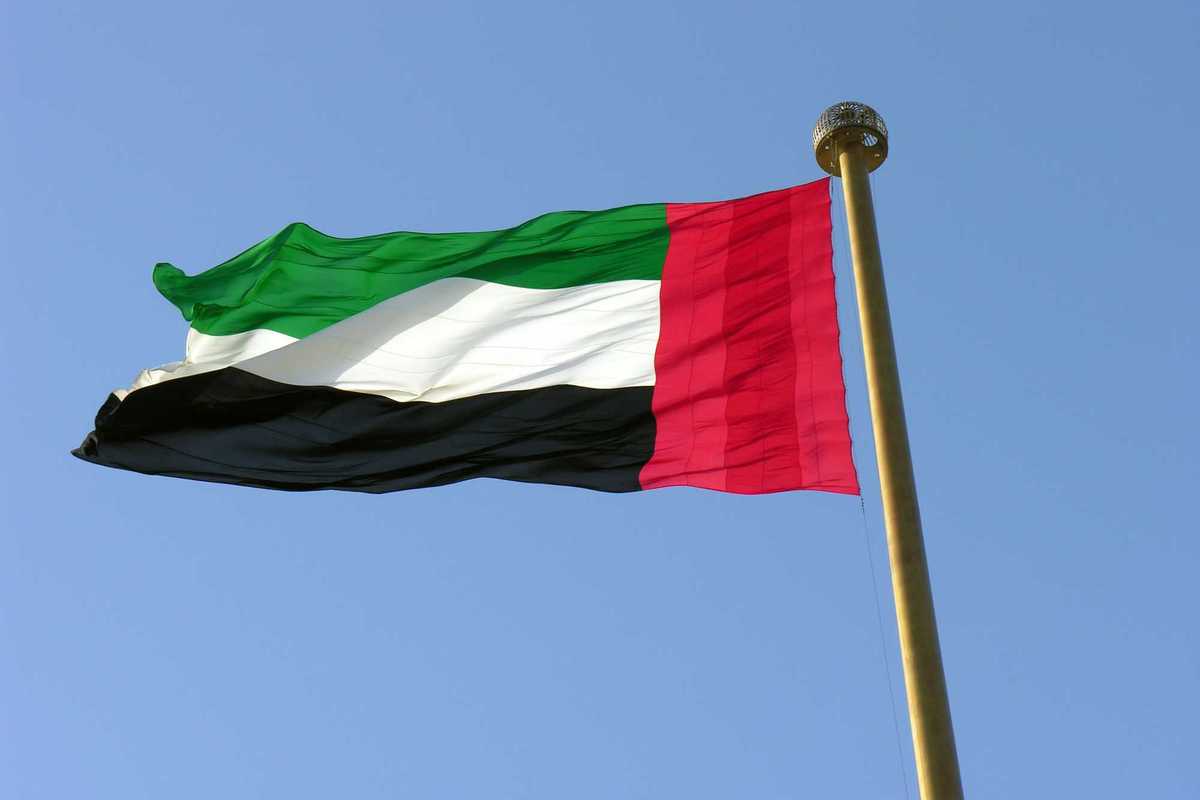
The United Arab Emirates has announced it will leave OPEC and OPEC+ effective May 1, 2026, amid an ongoing regional conflict disrupting its oil exports.
The country, OPEC's fourth-largest producer, averaged 3.14 million barrels per day in 2025, around 11.4% of total group output.
According to a research report by BMA Capital Management, the exit could weaken OPEC's grip on global crude prices and open the door to higher UAE production capacity.
Why is the UAE leaving OPEC?
The UAE is leaving OPEC to remove constraints on its production capacity. The country has invested nearly $150 billion to reach a target of five million barrels per day by 2027, a goal difficult to achieve under OPEC's quota system. Exiting gives the UAE freedom to expand output and respond directly to market demand.
Since the regional conflict escalated, UAE production has dropped from 3.14 million barrels per day to roughly 1.89 million, reducing its OPEC share from 11.4% to 9.1%.
About two million barrels per day of UAE crude exports pass through the Strait of Hormuz, a route currently affected by conflict-related blockades. Prolonged disruption could limit the country's ability to bring additional supply to market even after leaving the group.
What does the UAE's OPEC exit mean for global oil prices?
In the short term, global energy markets have shown limited reaction to the announcement. Over the longer term, the UAE's departure could erode OPEC's collective ability to regulate supply and stabilize prices. A history of quota non-compliance among some members has already weakened internal discipline within the group.
Historical precedent shows what happens when coordinated supply controls break down. Between 2014 and 2016, oil prices fell from around $120 per barrel to $30 as OPEC discipline collapsed during a U.S. shale boom and Saudi Arabia's push to defend market share.
OPEC's continued relevance was demonstrated during the COVID-19 pandemic, when coordinated cuts of more than eight million barrels per day helped crude prices rebound over 100% within two months.
With the UAE's exit, that kind of coordinated response becomes harder to execute. Saudi Arabia, OPEC's de facto leader, loses its third-largest producer and a significant portion of the group's collective output.
How could the UAE leaving OPEC affect Pakistan?
For Pakistan, the long-term implications of a weakened OPEC could offer meaningful economic relief. Oil accounts for roughly 23% of the country's import bill, totaling around $16 billion in 2025. BMA Capital estimates that every $10-per-barrel drop in crude prices would reduce Pakistan's annual import costs by approximately $1.2 billion.
In the near term, however, the picture is more difficult. Rising oil prices driven by the regional conflict have strained Pakistan's economy, complicating its inflation outlook and pressuring external balances. The situation has prompted the central bank to reverse its policy stance and begin monetary tightening, according to the BMA Capital report.
Over time, reduced OPEC influence and higher UAE output could help cap global oil prices. That would ease inflationary pressure and improve Pakistan's external position, the report added.





Comments
See what people are discussing