

UAE leaves OPEC and OPEC+ in major blow to oil producers' group
The move will weaken the group amid the Iran war and US pressure on Gulf oil producers

Business Desk
The Business Desk tracks economic trends, market movements, and business developments, offering analysis of both local and global financial news.
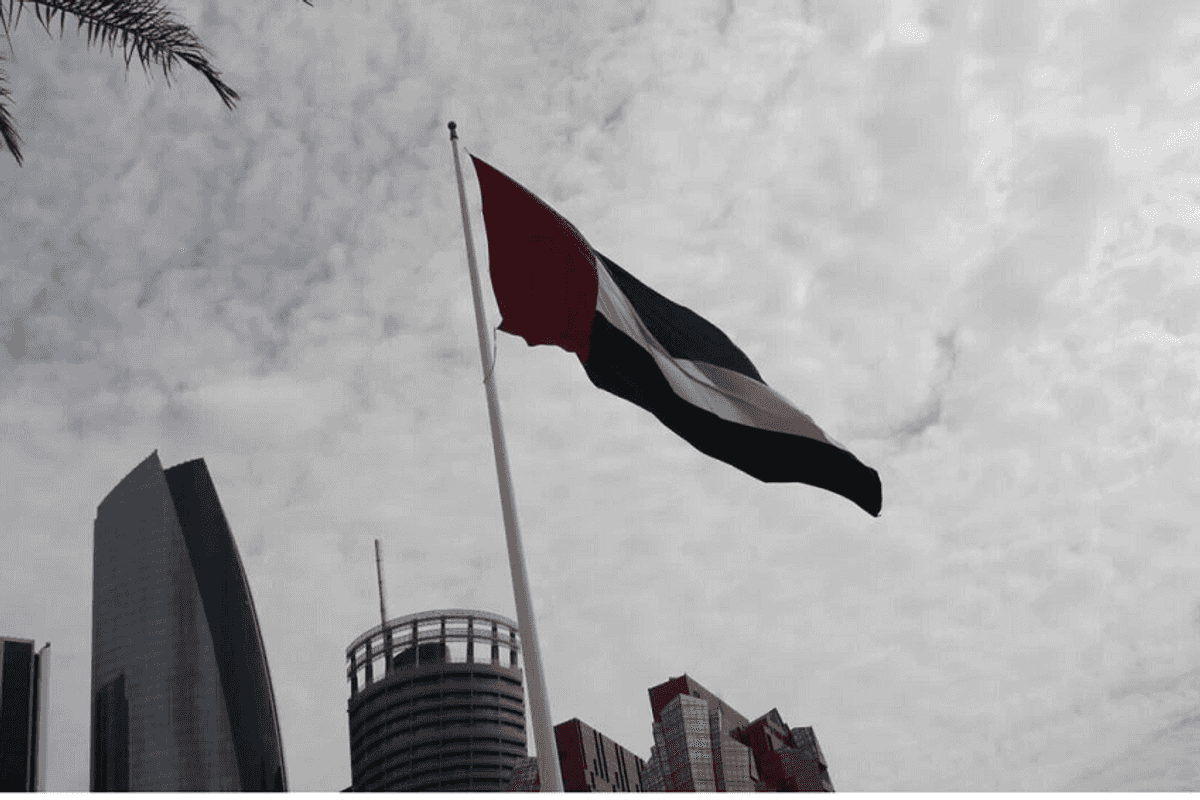
The loss of the UAE, a longstanding OPEC member, risks creating disarray within the group
File
The United Arab Emirates announced on Tuesday that it is leaving OPEC and OPEC+, effective May 1, a move that deals a heavy blow to the oil-exporting groups and their de facto leader, Saudi Arabia. The decision comes as the Iran war has caused a historic energy shock and unsettled the global economy.
Why is the UAE leaving OPEC?
UAE Energy Minister Suhail Mohamed al-Mazrouei said the decision followed a careful review of the country's current and future energy policies, particularly around production levels.
The UAE did not consult Saudi Arabia or any other country before making the move. The exit also reflects broader frustration over the Arab and Gulf response to Iranian attacks on the UAE during the war.
What does the UAE's OPEC exit mean for global oil markets?
The UAE is a founding member of Opec, having joined the group in 1967.
The exit also follows that of Qatar, which left in 2019. Two other Gulf countries - Bahrain and Oman - remain outside of OPEC but are aligned with the group's decision on supplies.
The loss of the UAE, a longstanding OPEC member, risks creating disarray within a group that has sought to maintain a united front despite internal disagreements over production quotas and geopolitics.
Mazrouei said the impact on the market would be limited given the ongoing situation in the Strait of Hormuz.
Gulf oil producers have already been struggling to ship exports through the strait, a chokepoint between Iran and Oman through which a fifth of the world's crude oil and liquefied natural gas normally passes, due to Iranian threats and vessel attacks.
The UAE's departure also represents a diplomatic win for US President Donald Trump, who has accused OPEC of inflating global oil prices and linked US military support for Gulf states to their pricing decisions.
What role did the Iran war play in the UAE's decision?
The UAE's exit follows sharp criticism from Abu Dhabi over what it sees as insufficient support from fellow Arab and Gulf states during the Iranian attacks. Anwar Gargash, diplomatic adviser to the UAE president, said at the Gulf Influencers Forum on Monday that the Gulf Cooperation Council's response had been the weakest in its history.
"I expect this weak stance from the Arab League and I am not surprised by it, but I haven't expected it from the Cooperation Council and I am surprised by it," Gargash said.




Comments
See what people are discussing