

Iran negotiator Ghalibaf says Hormuz will not open until US meets demands
Iran says the Strait of Hormuz will stay closed until the US meets interim deal terms, as the standoff over the waterway threatens talks

News Desk
The News Desk provides timely and factual coverage of national and international events, with an emphasis on accuracy and clarity.
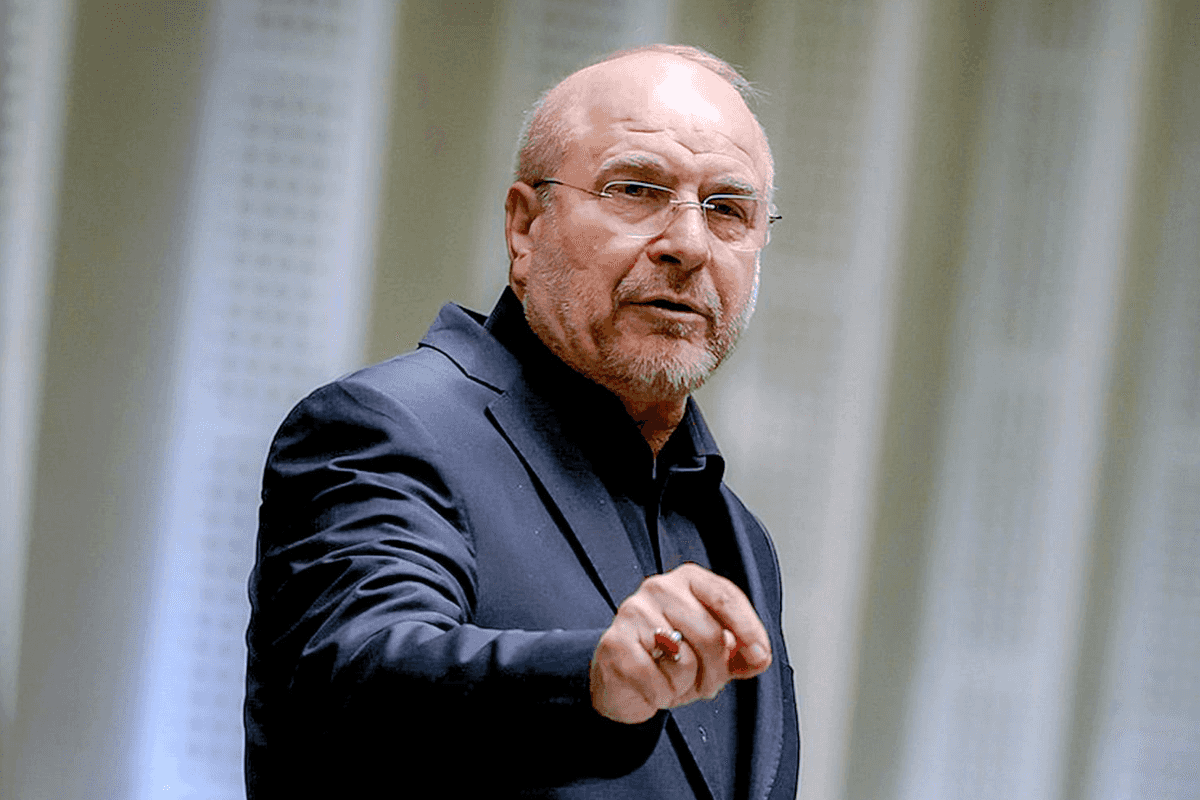
Iran's top negotiator Mohammad Bagher Ghalibaf said on Tuesday that the Strait of Hormuz will remain closed until the United States meets Tehran's demands, including lifting a naval blockade.
He made the remarks in a speech broadcast on state television, listing the removal of the blockade, the lifting of oil sanctions, and the unfreezing of Iranian assets abroad as conditions.
Why is the Strait of Hormuz closed?
Iran has restricted passage through the Strait of Hormuz since fighting began, using its control over the waterway as leverage against US-led efforts to weaken its military and nuclear programme. The strait, which lies between Iran and Oman, carried roughly a fifth of global oil supplies before the war, making its closure a central obstacle to ending the conflict.
Ghalibaf's comments came a day after President Donald Trump threatened to bomb Oman if it "gets in the way" of a US deal with Iran over the waterway, and called on Tehran to surrender. Trump's threats have added pressure on Oman, a US ally in the Gulf involved in talks with Tehran over navigation arrangements through the strait. Oman has not publicly commented on his remarks.
What led to the collapse of the interim Hormuz deal?
Tehran and Muscat had been discussing future navigation arrangements for weeks, and Iran's foreign ministry said Monday the two sides were working on a joint declaration. Their talks followed the collapse of a Pakistan-mediated interim US-Iran agreement meant to keep Hormuz open to shipping. Renewed fighting over the waterway quickly derailed that arrangement, widening the conflict to Gulf allies and commercial shipping across the region.
The disruption has also pushed fuel prices higher, adding to political pressure on Trump as November's midterm elections approach. Trump has repeatedly insisted the strait is under US control, and said Friday he would declare it part of US territory. Tehran responded that the energy chokepoint "will remain Iranian."
What does Iran want in exchange for reopening Hormuz?
Iran wants greater control over access to the waterway and the ability to charge transit fees, measures Washington strongly opposes. Trump, meanwhile, said he was in no hurry to reach a deal despite the political costs of the war and Democratic efforts to regain control of Congress. He also said there was a direct back channel between his administration and officials of Iran's Revolutionary Guard.
"They're good poker players, but they're dying," Trump told Fox News journalist Trey Yingst, according to an account of the interview posted on X.
How are regional allies responding to the standoff?
Amid the escalating rhetoric, regional allies continued to press for negotiations. Turkish President Recep Tayyip Erdogan discussed the conflict with Trump by phone, according to Turkey's state-run Anadolu news agency, stressing the need to "fully utilize diplomacy" to ease tensions between Washington and Tehran.
The Strait of Hormuz remains the main flashpoint because it links Gulf oil producers to international markets, and its disruption has raised concerns among major importing nations about supply shortages and higher energy costs. Iran's restrictions have also coincided with a parallel maritime blockade declared by its Houthi allies in Yemen against Saudi ports in the Red Sea, the kingdom's main alternative route for oil exports. For Washington, the prolonged disruption adds an economic and political challenge as Trump faces mounting pressure ahead of the midterms.




Comments
See what people are discussing