

Middle East escalation triggers oil price surge
US strikes on Iran and Houthi attacks on Red Sea oil tankers triggered a fresh oil price surge, pushing Brent crude past $100 a barrel

News Desk
The News Desk provides timely and factual coverage of national and international events, with an emphasis on accuracy and clarity.
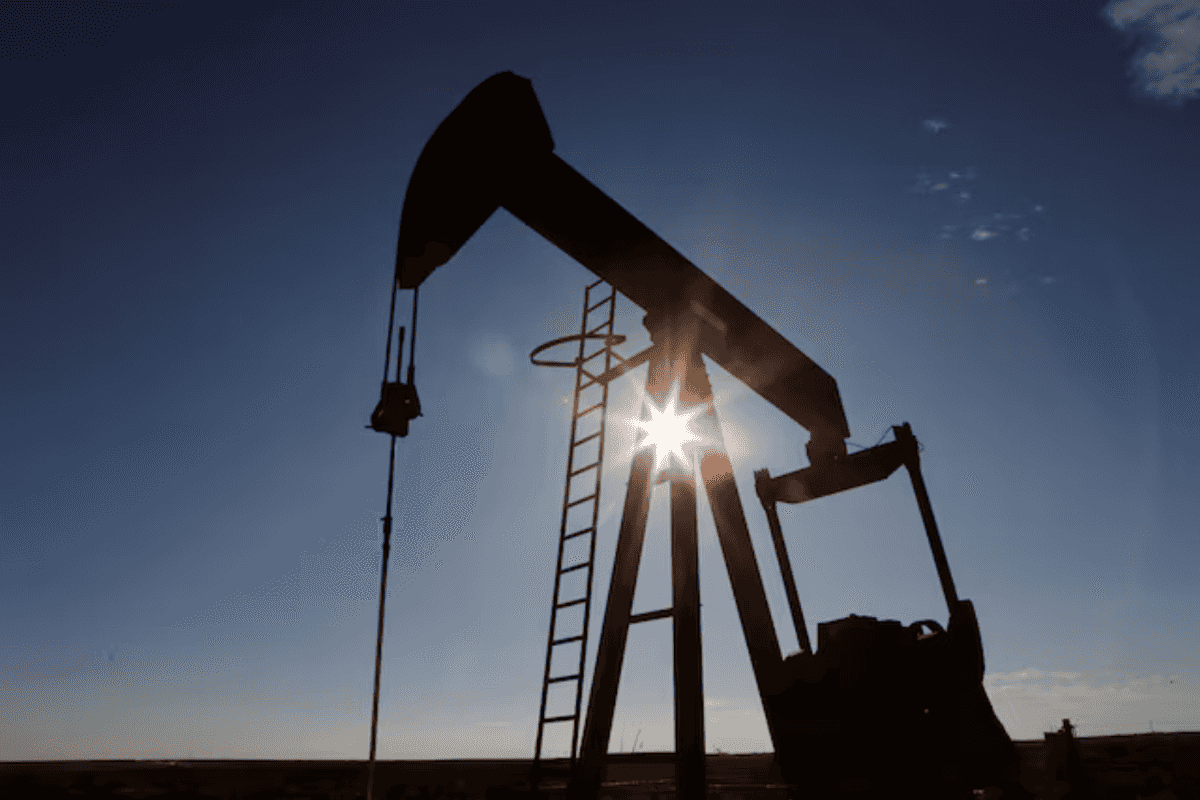
Reuters/File
The United States launched new strikes on Iran on Friday after Iran-backed Houthi rebels attacked oil tankers in the Red Sea, marking an escalation that pushed crude prices past $100 a barrel.
The US military said the Strait of Hormuz remained "open for transit" despite Iran's continued attacks on tankers using the route.
Why did oil prices surge past $100 a barrel?
Brent crude, the international benchmark, surged past $100 a barrel on Thursday for the first time since May, an increase of eight percent. The jump followed Houthi rebels opening a new front in the Red Sea this week, adding to fears over the Strait of Hormuz, through which a fifth of the world's oil passed before the war. Prices were still hovering just above $100 on Friday morning.
What is happening in the Strait of Hormuz?
Iran pressed on with attacks on tankers in the strait in what the US described as an attempt to strongarm shippers into paying for safe passage. President Donald Trump vowed to use frozen Iranian assets to cover any damage to shipping, a move Tehran warned would set an "incendiary precedent." The US military said it had completed its thirteenth consecutive night of strikes on Iranian military targets, aiming to "hold Iran accountable and diminish threats" from the Revolutionary Guard Corps to commercial shipping. Iranian state media reported US missiles hit Ahvaz, with explosions also heard near Omidiyeh, Bandar Abbas and Qeshm island.
Trump said the US would hold Iran responsible for the Houthis' actions and warned both would face "major military punishment." UN Secretary-General Antonio Guterres told the Security Council the situation was "getting out of control," adding it was "teetering on the edge of the unimaginable" and that "one crisis feeds another."
How are Houthi attacks affecting Red Sea shipping?
The Houthis said Wednesday they had struck two Saudi tankers in the Red Sea, the Encelia and the Layla, with Riyadh confirming a vessel had been hit. The group also declared a blockade of Saudi ports this week, threatening top oil producer Saudi Arabia's ability to route crude exports around the strait. Speaking in Manila, US Secretary of State Marco Rubio said the Houthis had been "suckered" by Iran into attacking Saudi shipping after largely staying out of the broader conflict.
Oman, a longstanding mediator between the Houthis and Saudi Arabia, said it was working to resume talks between the two sides and voiced "great concern" over the Red Sea situation. Jordan and Kuwait both reported intercepting strikes, with Kuwait saying its air defenses were responding to "hostile missile and drone attacks following the wrongful Iranian aggression."
What has been the global reaction to the oil price surge?
European Central Bank President Christine Lagarde warned the energy shock could intensify further and push up inflation, fueling speculation about a September eurozone rate hike. German Defence Minister Boris Pistorius warned of "dire consequences" for oil-importing economies, saying nothing suggested a ceasefire, let alone peace, was within reach.
The war resumed this month after a ceasefire that lasted only a few weeks, plunging the region back into chaos as Iran and the US battled for control of the strait. Iran's army spokesperson Mohammad Akraminia said retaliatory attacks would continue as long as US strikes on the country's infrastructure and coastal areas continued, according to state television.
Is the war facing opposition inside the United States?
The conflict is growing increasingly unpopular at home even as Trump returns to war with fierce rhetoric. With midterm elections approaching in November, the US House of Representatives passed a symbolic vote calling for the president to halt the war, backed by opposition Democrats and a handful of Republicans.




Comments
See what people are discussing