

Iran proposes 7-day plan to reopen Strait of Hormuz; President Trump reportedly rejects offer
Iranian Foreign Minister Abbas Araghchi presented a seven-day proposal at the UN General Assembly to lift the blockade on the Strait of Hormuz in exchange for a regional ceasefire and sanctions relief, but US President Donald Trump reportedly rejected the framework

News Desk
The News Desk provides timely and factual coverage of national and international events, with an emphasis on accuracy and clarity.
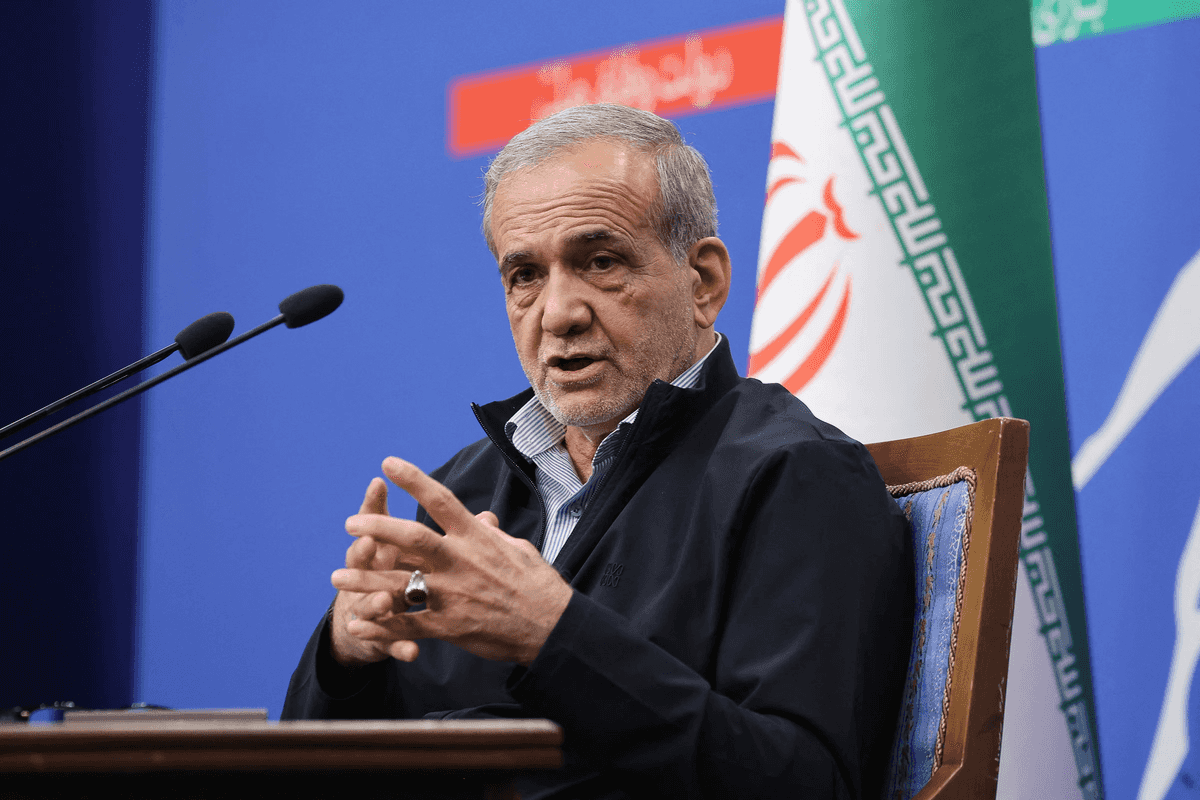
Iranian Foreign Minister Abbas Araghchi presented a seven-day proposal on Friday, aimed at reopening the strategic Strait of Hormuz and de-escalating the broader Middle East conflict, but US President Donald Trump reportedly rejected the offer within hours, signaling skepticism over Tehran's commitments.
What are the key terms of Iran's seven-day Hormuz proposal?
Speaking on the sidelines of the 81st UN General Assembly in New York, Araghchi stated that Tehran conveyed the concrete framework to Washington through Qatari mediators. Under the proposed terms, the plan requires a complete seven-day cessation of hostilities across the Middle East—including in Lebanon and Yemen—alongside the release of approximately $12 billion in frozen Iranian financial assets, the lifting of US sanctions on Iranian crude exports, and an end to the US naval blockade of Iranian ports.
If those conditions are met, Iran pledged to fully restore normal commercial navigation through the Strait of Hormuz by the seventh day and resume comprehensive nuclear negotiations. Iranian President Masoud Pezeshkian reinforced the initiative during an interview with CBS, stating that the ceasefire process could begin immediately upon US acceptance and drawing parallels to an earlier memorandum of understanding signed in June.
Why did President Trump reportedly reject the proposal?
According to reporting by The Wall Street Journal and PBS News, President Trump rejected the proposal, with US officials citing deep skepticism that Tehran would fulfill its security obligations. Trump expressed doubt over Iran's long-term compliance, noting that a renewed military bombing campaign against Iranian infrastructure remains a distinct option.
The rejection underscores ongoing mistrust between both capitals following the breakdown of the June agreement, which collapsed after Iranian forces fired on commercial vessels accused of deviating from approved maritime corridors. Demonstrating a firm stance on the strategic waterway, President Trump posted an image on Truth Social showing a map of the Strait of Hormuz circled and labeled "Trump Strait", as both sides remain locked in a seven-month diplomatic and military stalemate.




Comments
See what people are discussing