

Iran says it will stop complying with US deal if Washington fails to honor commitments
Iran warns it will stop complying with its US deal unless Washington honors its commitments, as Gulf tensions escalate

News Desk
The News Desk provides timely and factual coverage of national and international events, with an emphasis on accuracy and clarity.
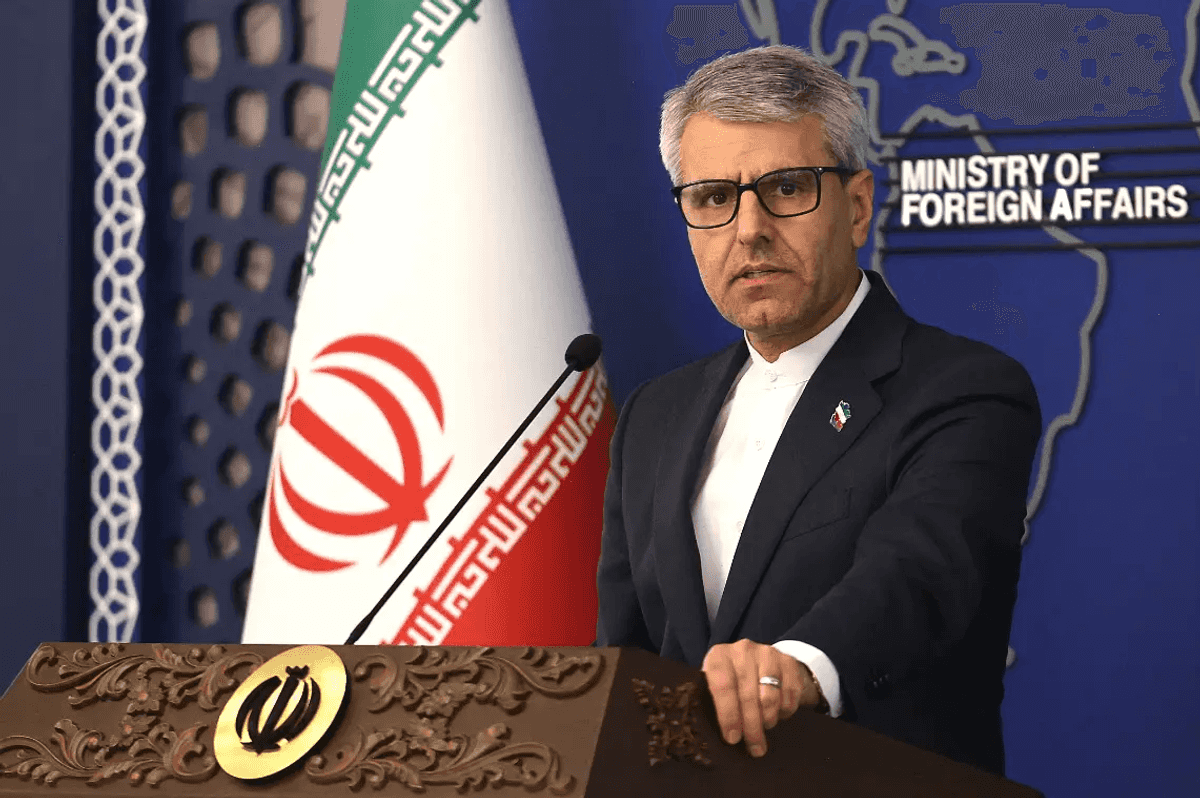
Iran said Monday it will stop complying with the memorandum of understanding it signed with the United States if Washington keeps failing to meet its obligations.
The warning came from Tehran as fighting between the two countries entered a second day, deepening tensions across the Gulf region.
Why did Iran say it will stop complying with the deal?
Iran says the United States has repeatedly broken its side of the memorandum of understanding meant to end the war. Foreign Ministry spokesman Esmaeil Baqaei said Iran will match US behavior going forward: if Washington fails to honor its commitments, Tehran will stop honoring its own. He made the comments at a news conference in Tehran on Monday.
What triggered the latest escalation?
The United States and Iran exchanged attacks for a second straight day, straining the interim peace arrangement and raising fears over security around the Strait of Hormuz. Iran's Revolutionary Guards said they struck US military facilities in Bahrain and destroyed radar systems in Oman. The Guards' Sepah news outlet reported that targets included infrastructure in Juffair, Bahrain, and long-range detection radar in Oman.
The US said its forces carried out a fresh wave of strikes on Iran. US Central Command said aircraft, naval vessels and drones hit dozens of Iranian targets, describing the operation as an effort to curb Iran's ability to threaten shipping through the Strait of Hormuz.
Is the Strait of Hormuz actually closed?
Iran announced over the weekend that it had closed the Strait of Hormuz, a claim Washington disputes. The waterway links the Persian Gulf to international shipping lanes and ranks among the world's most important oil transit routes.
Iran's Revolutionary Guards said the strait will stay closed until US involvement in the region ends, while US Central Command maintains it remains open to vessels lawfully transiting the area.
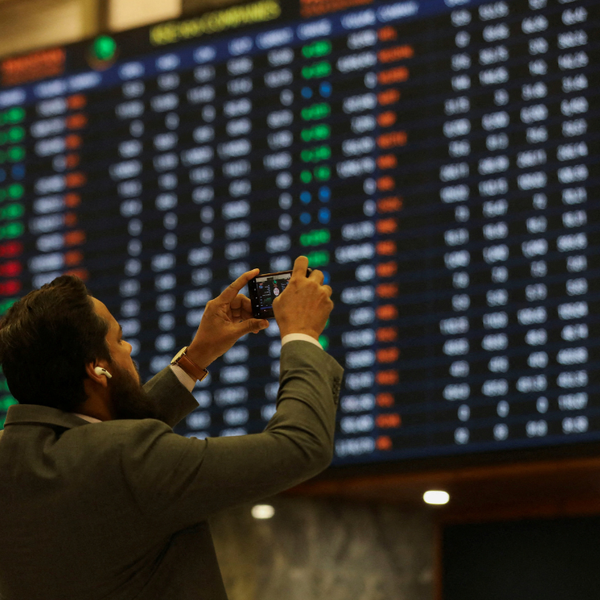
Oil markets responded quickly. West Texas Intermediate crude climbed above $74 per barrel after futures trading opened in Asia on Monday, driven by concerns over potential supply disruptions.
What damage and casualties have been reported?
Iran's Foreign Ministry said Sunday's US attacks brought renewed insecurity to the Strait of Hormuz and undermined regional peace efforts. Iranian state media reported two deaths from US strikes on southern and western Iran, including Qeshm Island, Bandar Abbas and Khuzestan province near the Iraqi border.
IRNA also reported a separate strike in Mahshahr killed one person and wounded four others at a water pumping station.
The Revolutionary Guards said they also struck US military targets in Jordan, Bahrain and Kuwait. Bahrain reported air raid alerts, Kuwait's military said it intercepted hostile aerial targets, and Jordan's army said it shot down four Iranian missiles.
How are other Gulf states responding?
Oman summoned Iran's ambassador and issued a formal protest after the reported strike on its territory, a notable move for a country that has tried to balance ties with both Washington and Tehran. The protest came just hours after Oman hosted Iran's foreign minister for talks on the Strait of Hormuz.
The fighting followed an Iranian attack early Sunday on a commercial vessel in the strait. According to the British maritime agency UKMTO, the crew abandoned ship and moved to a lifeboat east of Oman. India said one of its sailors was missing, while Oman said it rescued 23 crew members.
What role is Pakistan playing in the conflict?
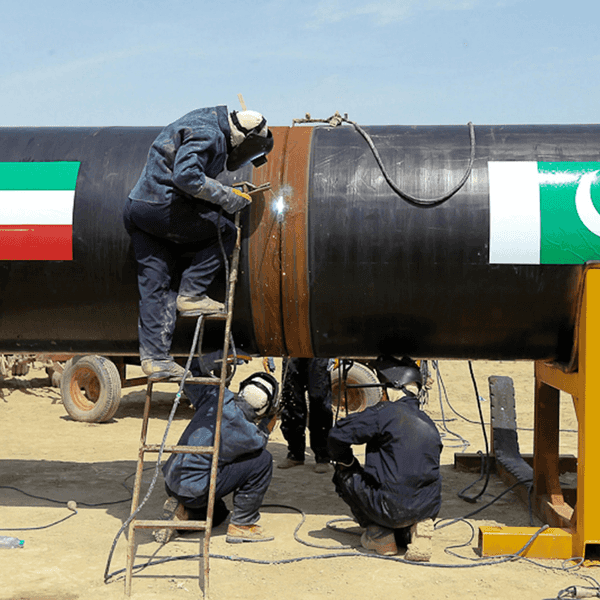
Pakistan has acted as an intermediary in negotiations between Iran and the United States throughout the crisis. Its Foreign Office said it holds "deep concern at escalation in regional tensions." Diplomatic efforts to end the conflict have continued despite the renewed fighting.
What has been said about further retaliation?
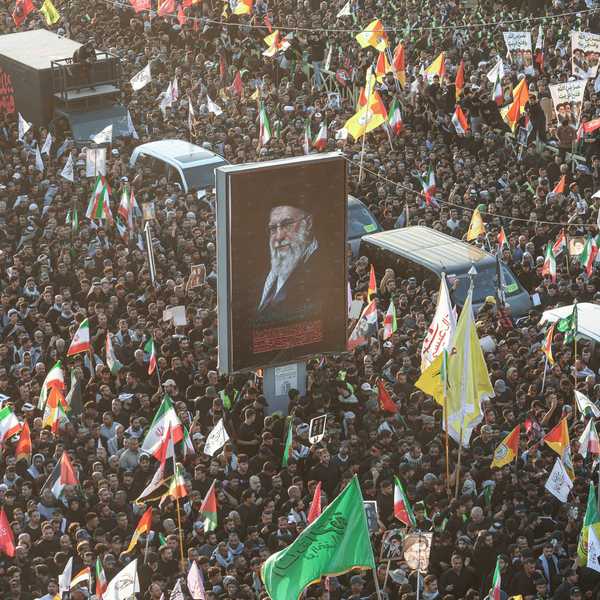
Rhetoric has escalated alongside the fighting. Iranian Supreme Leader Mojtaba Khamenei said Iran will seek revenge for the killing of his father and predecessor and has compiled a list of targets.
US President Donald Trump said Saturday that any attempt to assassinate him would result in the United States "completely decimating" Iran.

Comments
See what people are discussing