

How the Iran war is driving up the cost of your shopping cart
From body wash to bottled water, the Iran war is pushing up grocery prices through soaring plastics and energy costs

News Desk
The News Desk provides timely and factual coverage of national and international events, with an emphasis on accuracy and clarity.
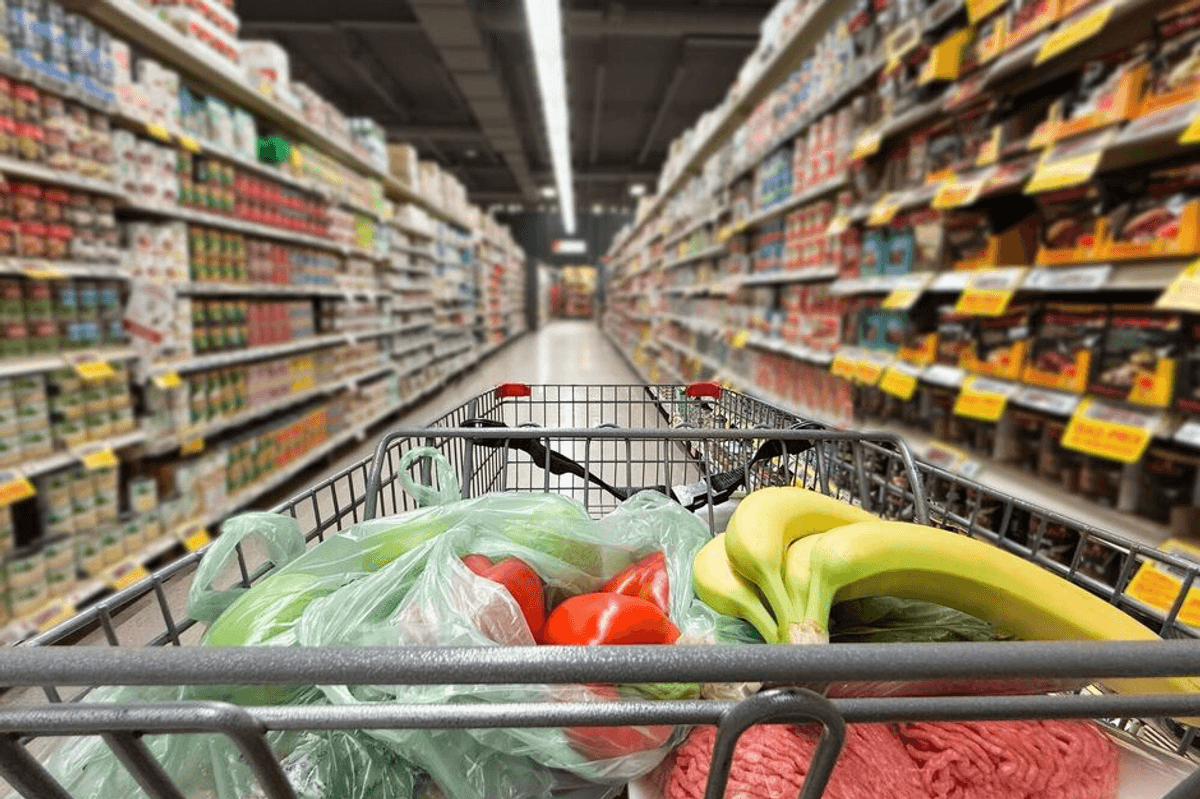
The price of common consumer goods in the United States rose 2.9% in the four weeks from the start of the conflict to March 28
X
The Iran war has triggered the worst disruption to oil and gas supplies in modern history, sending energy and plastics costs surging through global supply chains.
According to Reuters, the price of common consumer goods in the United States rose 2.9% in the four weeks from the start of the conflict to March 28, according to NielsenIQ data. Products with heavy plastic packaging have seen the steepest increases.
What grocery and household items are going up in price because of the Iran war?
Body wash, bottled water, diapers, tampons, dish soap and laundry detergent have all risen in price since the conflict began on February 28.
Body wash rose 7.7%, bottled water rose 5.8%, and disposable hygiene products rose between 2% and 6%, according to NielsenIQ data for the four weeks to March 28. Milk and eggs were the only tracked items to fall in price, after supply shortages last year had already inflated them.
Why is plastic at the center of the Iran war price shock?
Most plastics are derived from oil or natural gas, processed into chemical building blocks and then converted into polymers used in packaging, bottles and fabric. Packaging typically represents 5% to 15% of a product's manufacturing cost, according to consultancy MAT. Damage to Middle Eastern oil infrastructure, including refineries, could take years to repair.
The European price of PET plastic, used in soda bottles and food packaging, was 15.4% higher in mid-March than a year earlier, according to Plastics Information Europe. In North America, polyethylene was about 29% higher year-on-year in March, according to Baird estimates.
"Plastic is at the core of this," said Steve Zurek, vice president of NielsenIQ's advanced analytics team, pointing specifically to home and personal care products packed in plastic bottles and tubes.
Plastic accounts for roughly 70% to 80% of the cost of making a PET water bottle, including the resin and cap, according to IMARC. The US Consumer Price Index rose 0.9% in March, though economists told Reuters that figure captured only the initial impact of the oil price shock.
How is the Iran war affecting plastics production in Asia?
Asia is the world's largest plastics-producing region, and its refineries had relied on the Middle East for almost two-thirds of their crude oil derivative supply. Oil scarcity is already forcing some refineries to cancel contracts and cut production. China, Japan, South Korea, Singapore and India are all bracing for inflation to rise further in the months ahead.
Prices for all standard thermoplastics in the Chinese market rose nearly 44% to a March peak from February, according to Plastics Information Europe.
Chinese domestic prices for PET bottles rose 30% in the same period, while prices for high-density polyethylene used in laundry detergent bottles rose 26.5%. China exports more plastic than any other country, selling over $141 billion worth in 2024, with the United States its largest single buyer at more than $78 billion.
How are Chinese factories absorbing the higher plastics costs?
Peng Xin, general manager of Guangdong Rongsu New Materials, said petrochemical feedstock prices have surged "about 50% to 60%" since March. His factory, which produces plastic pellets for electric vehicle batteries, drone propellers and bicycle components, typically holds two months of safety stock.
A rush to buy before prices rise further has depleted those inventories, meaning new orders are already being filled at higher spot prices.
Fears of further increases have triggered stockpiling at Zhangmutou, China's largest plastics trading hub. Han Bing, who has managed a warehouse there since 2018, said daily throughput doubled to around 1,000 tons last month. "At the peak, Zhangmutou was gridlocked for nearly a week. Traffic jams stretched for about 10 to 15 kilometers, and every warehouse was filled to capacity," he said.
How will big consumer brands respond to Iran war inflation?
At a factory assembling mobile phone holders and charging cables for US retailers including Walmart, the owner said profit margins of 10% to 15% have been wiped out by the roughly 15% rise in raw materials costs in March.
He said he is reluctant to raise prices for fear of losing major retail customers. Walmart did not respond to a request for comment.
Larger consumer goods companies face fewer constraints. Nestle, Unilever and Procter & Gamble all sharply raised prices during and after the COVID-19 pandemic and are expected to do so again. "Even if the war stopped tomorrow, once prices rise it takes a long time for them to come down," Zurek said.




Comments
See what people are discussing