

Iranian President Pezeshkian tells Fox News US 'must choose' whether to end conflict with Tehran
Iranian President Masoud Pezeshkian stated in a Fox News interview that Tehran does not wish to continue fighting and called on the United States to decide whether to end the war, while denying operational command over Yemen's Houthi forces

News Desk
The News Desk provides timely and factual coverage of national and international events, with an emphasis on accuracy and clarity.
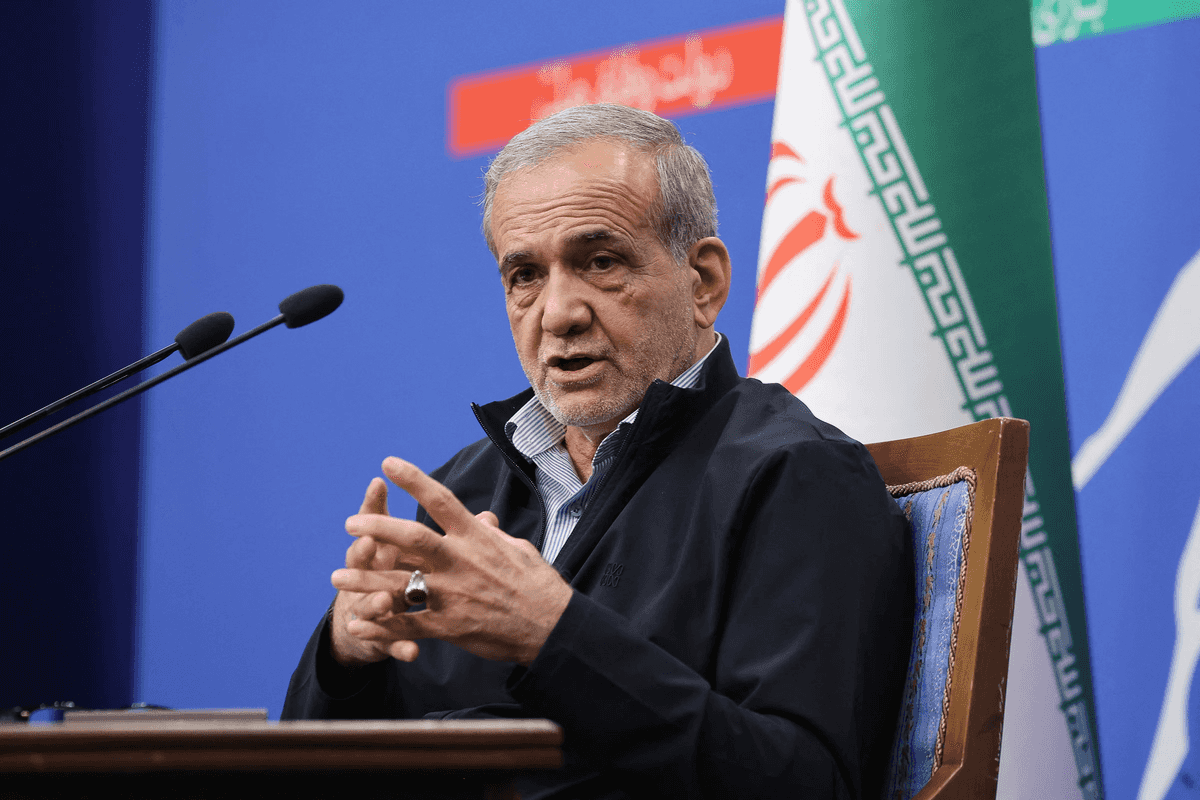
Iranian President Masoud Pezeshkian called on Washington to make a strategic choice on whether to end the ongoing military conflict with Tehran, stating in an interview with Fox News broadcast on Thursday that Iran has no desire to continue fighting.
What did President Pezeshkian say regarding US-Iran negotiations?
Speaking on the sidelines of the 81st UN General Assembly (UNGA) in New York, Pezeshkian stressed that Iran remains open to resolving disputes through diplomacy despite Israeli "instigations" that he argued forced the war upon Tehran. "When we can resolve issues through dialogue, we shouldn't resort to killing one another," Pezeshkian said in translated remarks. "But we do not wish to continue. It's America that must choose whether it wants to end this or not."
Pezeshkian affirmed that Tehran is ready to strike a deal with U.S. President Donald Trump within international legal frameworks, while questioning the breakdown of previous arrangements:
- Ceasefire Collapse: Pezeshkian pointed to the collapse of a shaky June ceasefire, asking why U.S. leadership chose to "blow it up" two weeks after its execution.
- Framework for De-escalation: Senior Iranian officials signaled that a phased resolution could involve reopening the Strait of Hormuz to commercial shipping in exchange for lifting the U.S. naval blockade and granting access to frozen Iranian assets.
- Timeline Flexibility: Pezeshkian added that whether an agreement is reached before or after upcoming U.S. elections makes no operational difference to Tehran.
The interview followed sideline talks in New York between Iranian Foreign Minister Abbas Araghchi and U.S. envoys Steve Witkoff and Jared Kushner, though discussions did not immediately yield a breakthrough.
How did Pezeshkian address Houthi attacks and regional maritime blockades?
Addressing the ongoing conflict between Yemen's Houthi movement and Saudi-backed forces, Pezeshkian rejected assertions that Tehran exercises direct operational control over the group's drone and missile strikes against Saudi Arabia and Red Sea shipping.
"The Houthis are responsible for their own actions. They don't take directions from us as those who are resisting in the region, based on the situations that have been imposed on them," Pezeshkian stated, characterizing the relationship as one of diplomatic contact rather than systematic command.
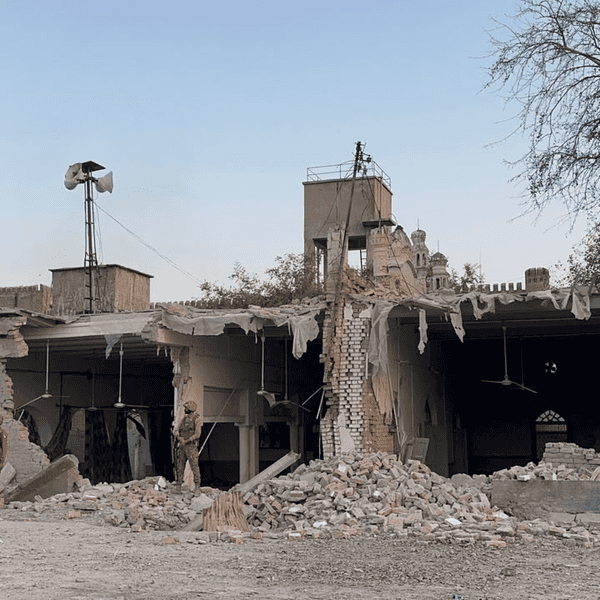
His remarks coincided with Saudi air defense interceptions of Houthi ballistic missiles over Taif and Yanbu and warnings near Mecca, as Houthi forces continue maintaining a naval blockade on Saudi crude exports through the Bab al-Mandab strait.



Comments
See what people are discussing