

Iraq seeks US exemption from Iranian airline ban citing humanitarian and religious travel needs
The Iraqi government announced direct negotiations with Washington to exempt key airports from sweeping US aviation sanctions on Iranian airlines, warning that the flight ban has severely disrupted travel for medical patients, students, and religious pilgrims

News Desk
The News Desk provides timely and factual coverage of national and international events, with an emphasis on accuracy and clarity.
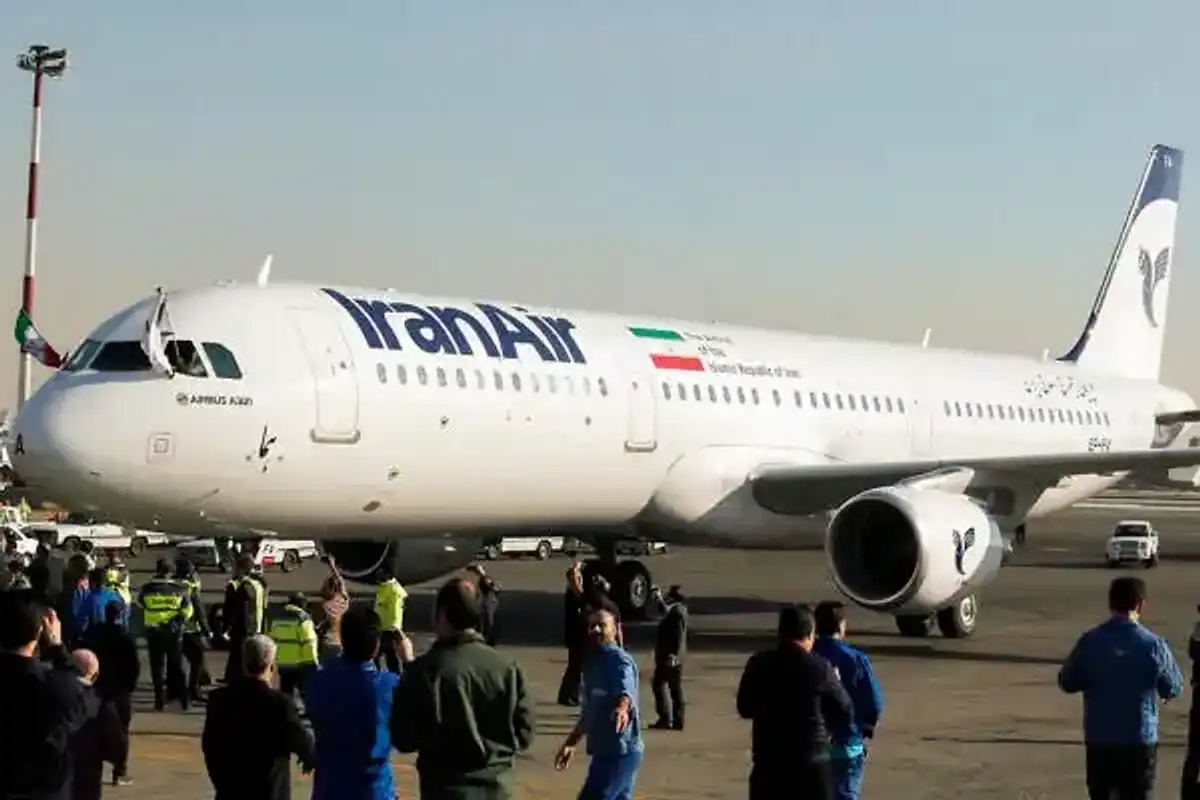
The Iraqi government confirmed on Saturday that it is engaged in direct talks with the United States to secure targeted exemptions from new US sanctions prohibiting Iranian airlines, seeking to resume flights at select airports for critical humanitarian and civilian needs.
Why is Iraq requesting a US exemption on Iranian airline sanctions?
The Iraqi Prime Minister's media office stated that Baghdad is negotiating to allow restricted air corridors between Iraq and Iran "for humanitarian reasons, including medical treatment, education, religious visits, and for the interest of civilians".
Enforced earlier this week, the US restrictions halted flight operations at major hubs, particularly Najaf International Airport—the primary destination for Iranian Shia pilgrims visiting sacred shrines in Iraq, as well as Iraqi citizens traveling to Iran for specialized medical care and university study.
The abrupt suspension of flights left thousands of travelers stranded, forcing many to consider arduous 12-hour overland journeys across land border crossings. With Iraqi commercial carriers having suspended flights to Iran at the onset of the Middle East war in February 2026, Iranian airlines had remained the sole air link connecting the two neighboring nations.
What is the broader regional impact of Washington's aviation sanctions against Tehran?
The diplomatic push follows an announcement by US Treasury Secretary Scott Bessent ordering a global shutdown of Iranian airline operations as part of expanded economic pressure against Tehran.
Several regional transit hubs, including the United Arab Emirates and Iraq, acted to enforce the ban, prompting sharp warnings from Iranian leadership. Senior adviser to Iran's supreme leader Mohammad Mokhber cautioned that denying Iranian aircraft access to regional airports could threaten broader regional air travel stability.
According to Al Jazeera, Iraqi officials urged all parties to pursue diplomatic dialogue to de-escalate the broader regional conflict while working to mitigate immediate impacts on civilian mobility and bilateral cultural ties.




Comments
See what people are discussing