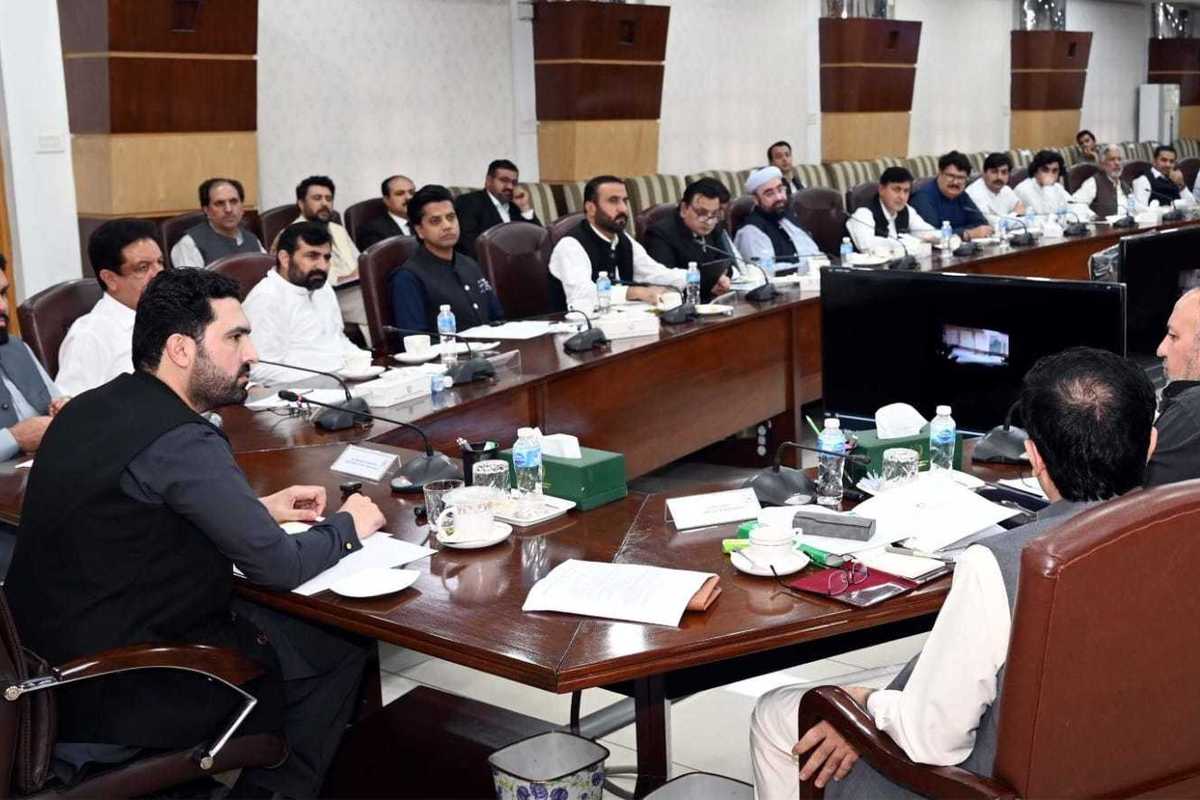
The Khyber Pakhtunkhwa cabinet approved the KP Police Act 2026 on Wednesday, a new law giving the provincial government greater control over police appointments, transfers and policymaking. Chief Minister Sohail Afridi chaired the meeting. The draft would repeal the Khyber Pakhtunkhwa Police Act, 2017, and follows a Peshawar High Court ruling against similar 2024 amendments.
What does the KP Police Act 2026 change?
The KP Police Act 2026 shifts key command and administrative powers from the inspector general of police to the chief minister. It gives the chief minister authority over senior postings and transfers, control of the Police Policy Board, and a say in operational decisions. The law would replace the Khyber Pakhtunkhwa Police Act, 2017.
Why did the Peshawar High Court intervene?
The Peshawar High Court struck down key provisions of the 2024 amendments to the 2017 law in February. Those amendments had expanded the chief minister's authority over senior police postings.
The court ruled that such powers undermined the operational autonomy of the police. It ordered the restoration of provisions giving the inspector general authority over postings and the deployment of field commanders.
The court said the executive's role should be limited to broad policy direction and oversight. Day-to-day administration, including postings, transfers and internal management, should remain with the inspector general, it said.
What powers would the chief minister gain under the new law?
Under the proposed 2026 law, the provincial government would issue the notification appointing the provincial police chief. If the government is dissatisfied with the inspector general's performance, it could request additional candidates from the federal government for consideration as a replacement, the draft says.
DSPs and ASPs would be transferred by the home secretary, while SPs, SSPs and additional inspector generals would be transferred by the chief minister. Notifications appointing SPs, SSPs and additional inspector generals would be issued by the Administration Department.
The chief minister would also take over the chairmanship of the Police Policy Board from the inspector general, and would oversee the formulation of the police's operational, administrative and financial policies. Police authorities would need legal approval from the Law Department and the Advocate General's Office before submitting responses in court cases.
How has the proposal been received?
Some cabinet members raised objections to provisions of the proposed act, according to sources, prompting the cabinet to agree to amend some of them. According to the Law Department, the proposed legislation incorporates some provisions from the existing law while introducing new ones that sources said would be difficult to challenge in court.
Most cabinet members said Pakistan Tehreek-e-Insaf founder Imran Khan's vision was to keep the police free from political interference. They argued the new law was necessary to achieve this, citing PTI leaders' allegations that police had misused certain powers during arrests and raids targeting party leaders after the protests of May 9, 2023.
The proposal reshapes the balance between political oversight and police administration, at a time when the province's earlier attempt to expand political control over senior postings has already faced constitutional scrutiny.






Comments
See what people are discussing