

Middle East on high alert after strikes hit Iran's Qeshm Island
Iran launches retaliatory surface-to-air missile over the Strait of Hormuz, and intense combat air patrols along the Iran-Iraq border, prompting Washington to warn American diplomats and citizens across the region to brace for rapid escalation

News Desk
The News Desk provides timely and factual coverage of national and international events, with an emphasis on accuracy and clarity.
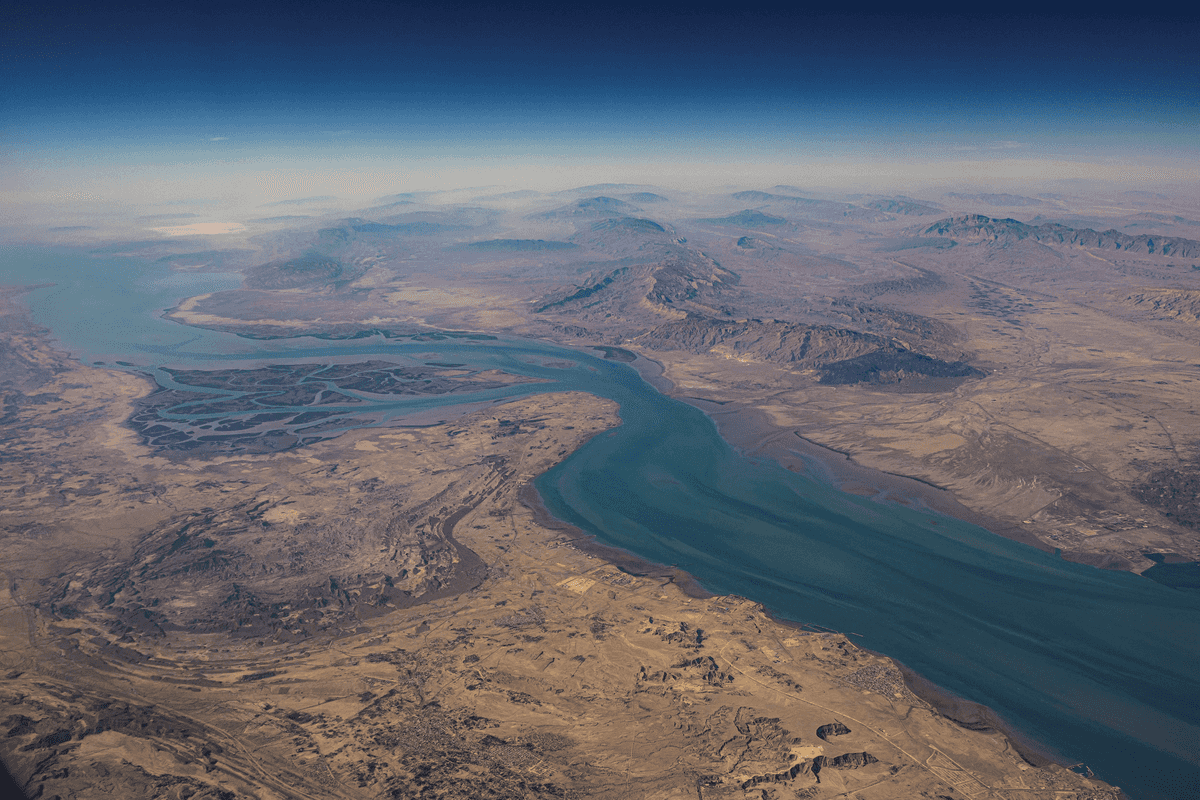
The Middle East has entered a state of high alert following reported missile impacts on Iran’s strategic Qeshm Island, retaliatory surface-to-air missile launches by Iranian air defense units over the Strait of Hormuz, and intense combat jet activity along the Iran-Iraq border, prompting Washington to warn American diplomats and citizens across the region to brace for rapid military escalation.
What occurred during the missile strikes and air defense engagements over Qeshm Island?
According to the Anadolu Agency, at least two missiles struck military installations on Qeshm Island in the Strait of Hormuz, triggering immediate counter-fire from Iranian air defense batteries, which launched multiple surface-to-air interceptors into the skies above the waterway.
The impacts follow days of persistent cross-border skirmishes and low-profile aerial engagements centered around Iran's naval infrastructure, subterranean depots, and coastal radar positions overlooking the critical maritime choke point. Qeshm Island, which commands the entrance to the Persian Gulf, has been a central flashpoint in recent tactical friction, having witnessed limited U.S. defensive strikes earlier in the week alongside Iranian electronic warfare interceptions of American unmanned aerial vehicles.
What drove the surge in combat flights along the Iran-Iraq border?
Along Iran’s western frontier, military monitors detected a sharp surge in aerial maneuvers and surveillance sorties.
According to Al Jazeera, heavy fighter jet activity and high-altitude reconnaissance flights were observed along the rugged Iran-Iraq border corridor, as regional air forces scrambled combat air patrols to track potential strike vectors and intercept incoming unmanned systems.
The aerial activity along the border corridor underscores expanding regional friction, with air defense networks across neighboring states shifting to heightened readiness to prevent unintended incursions or surprise standoff missile launches amid deteriorating security conditions.[
Why did Washington issue sweeping regional alerts to diplomats and travelers?
The military friction triggered an urgent, region-wide security warning from the United States government. As reported by the Anadolu Agency, the U.S. Department of State instructed American citizens and personnel stationed across the Middle East to exercise "heightened vigilance," citing an elevated risk of coordinated armed strikes by Iranian-backed Houthi forces and intelligence indicating active Iranian efforts to target American officials in the region.
According to Ynet News, the coordinated warnings were distributed through U.S. diplomatic missions across the Middle East—including the embassy in Jerusalem and diplomatic posts in Saudi Arabia, the United Arab Emirates, Qatar, and Bahrain.
American personnel and commercial travelers were advised to prepare for abrupt flight cancellations, emergency airspace closures, regional travel disruptions, and a rapid widening of armed hostilities.




Comments
See what people are discussing