

Nepal begins mass burials as Himalayan flash flood death toll reaches 903 with over 4,000 missing
Authorities in Nepal have initiated mass burials using DNA profiling for hundreds of unidentified victims after a catastrophic glacial collapse along the Nepal-Tibet border

News Desk
The News Desk provides timely and factual coverage of national and international events, with an emphasis on accuracy and clarity.
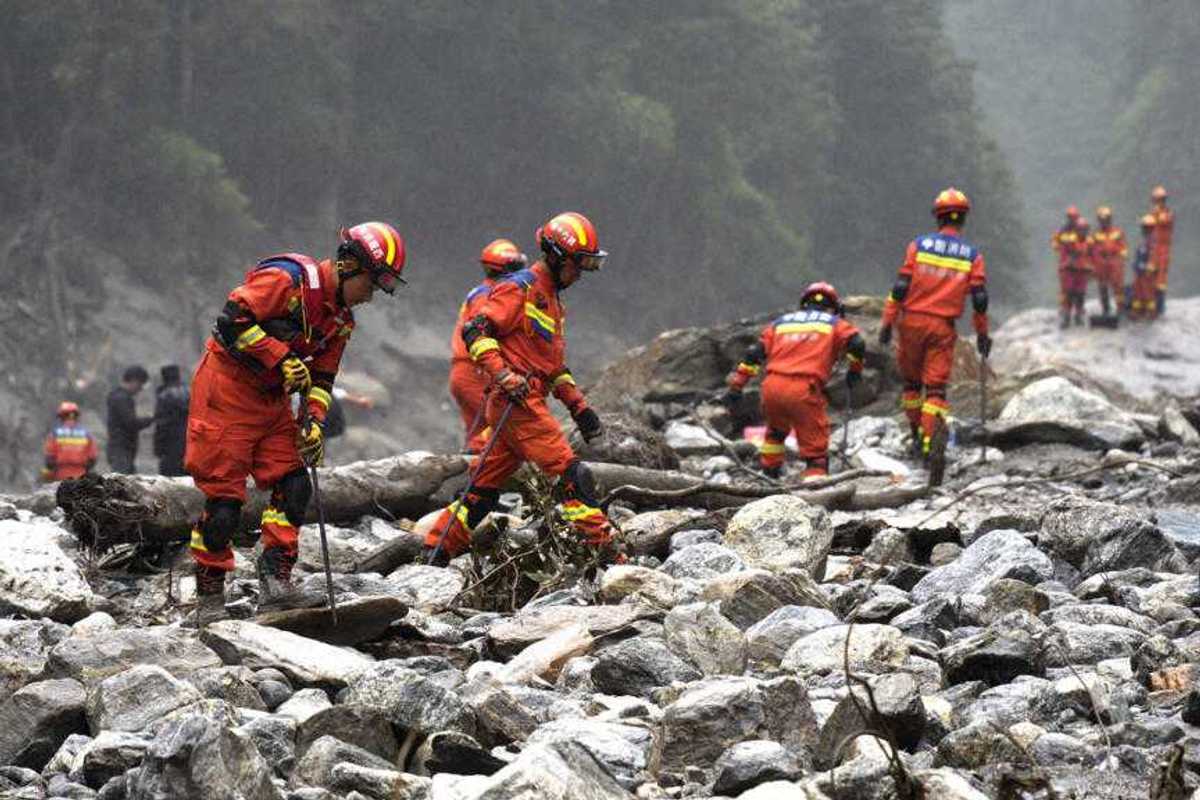
Overwhelmed health authorities and security forces in Nepal began conducting mass burials on Monday, as the confirmed death toll from Wednesday's catastrophic glacial collapse rose to 903 across Nepal and China's Tibet region.
With morgues overflowing and decomposition accelerating due to water immersion, officials implemented emergency DNA sampling procedures to preserve identification records for grieving families before interring the unidentified remains.
What is the current human toll and status of missing person searches?
The National Disaster Risk Reduction and Management Authority reported that 903 fatalities have been confirmed within Nepal, alongside 16 deaths reported by Chinese authorities in Tibet's Gyirong County.
The regional missing persons registry expanded to more than 4000 individuals—comprising 2,502 in Nepal and 546 in Tibet—which includes 592 foreign nationals, trekkers, Mount Kailash pilgrims, and 933 workers buried at damaged hydroelectric facilities along the Trishuli River basin.
According to reporting by Channel NewsAsia, forensic teams operating downstream in Chitwan district are photographing remains and extracting DNA samples before burying victims swept into the Narayani and Trishuli river systems. Many recovered bodies remain unidentifiable by sight due to the severe physical force of the mudslide.
How are international aid and tunnel rescue operations progressing?
Search operations focused heavily on the Trishuli 3A and Upper Trishuli-1 hydroelectric complexes, where military engineers successfully inserted ventilation and drainage pipes into subterranean access tunnels to reach trapped workers. However, operations face persistent interruptions from secondary landslides, rising river levels, and the formation of new debris-dammed lakes downstream from the initial glacial break.
Coverage from Al Jazeera notes that foreign governments and multilateral bodies have begun mobilizing emergency funds. The United Nations released $2.5 million from its emergency fund, while the United States, United Kingdom, Canada, European Union, and International Red Cross pledged millions in direct relief. Foreign Minister Shisir Khanal renewed appeals for heavy-lift drones, thermal imaging, and specialized tunnel engineering crews, emphasizing that rebuilding destroyed regional power plants and border transit corridors will require billions in international aid.




Comments
See what people are discussing