

Javed Hussain
Correspondent
I have almost 20 years of experience in print, radio, and TV media. I started my career with "Daily Jang" after which I got the opportunity to work in FM 103, Radio Pakistan, News One, Ab Tak News, Dawn News TV, Dunya News, 92 News and regional channels Rohi TV, Apna Channel and Sach TV where I worked and gained experience in different areas of all three mediums. My journey from reporting to news anchor in these organisations was excellent. Now, I am working as a correspondent with Nukta in Islamabad, where I get the opportunity of in-depth journalism and storytelling while I am now covering parliamentary affairs, politics, and technology.
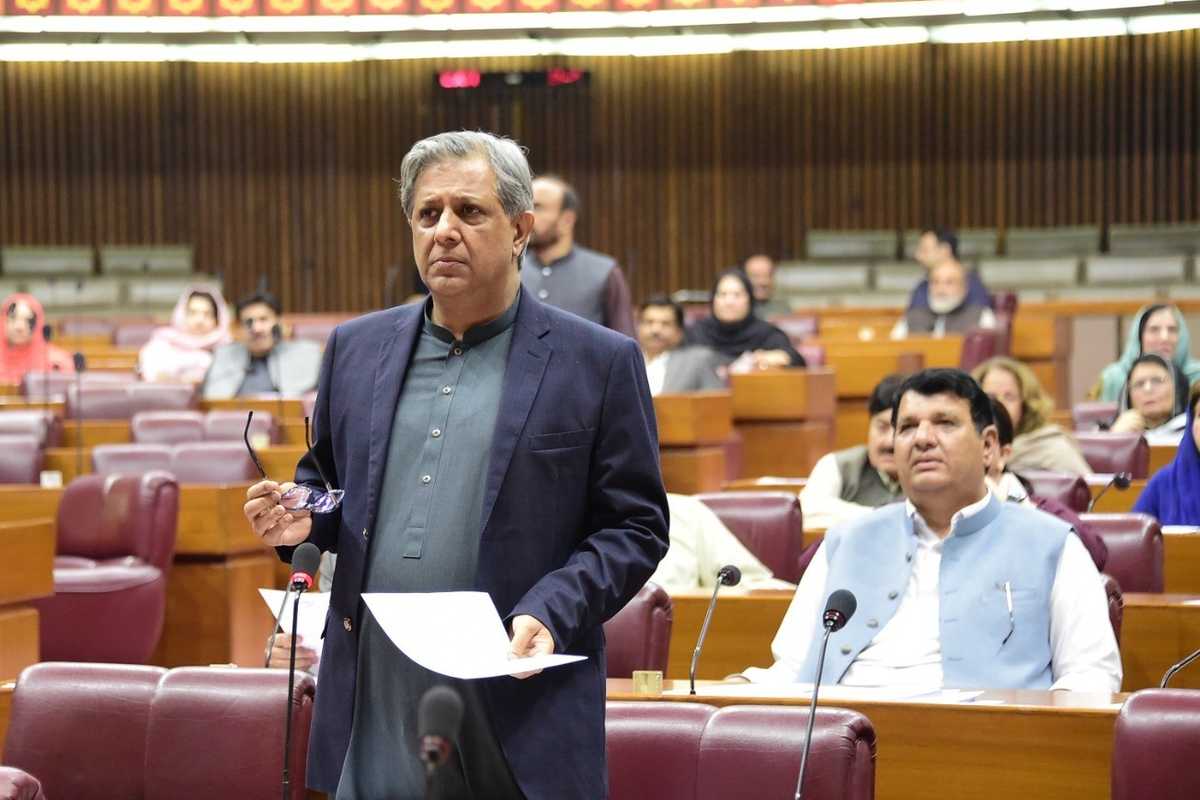
Law Minister Azam Nazeer Tarar addressing a parliamentary session on October 20, 2024.
GoP
Senate debate erupts over power to shuffle civil servants between departments
Foreign Ministry defends practice while claiming compliance with past court orders
Current policy permits 3-year postings with 2-year extensions, despite judicial concerns
Pakistan's government defended its use of bureaucratic transfers between departments Tuesday, as Law Minister Azam Nazeer Tarar asked the judiciary to stop interfering in what he called executive matters, challenging Supreme Court rulings that discourage the practice.
During the Senate's question hour session, Tarar defended the government's use of deputation — the temporary transfer of civil servants between departments — while telling the judiciary to stay out of executive matters. "Legislation is our job, we should be allowed to do it," he said, after objecting to referring questions about the policy to committees rather than addressing them directly in the chamber.
The debate was sparked by Senator Danesh Kumar's question about whether the Foreign Ministry was complying with past Supreme Court orders limiting such transfers. Deputy Prime Minister Minister Ishaq Dar responded in writing that the ministry follows all regulations when making deputation appointments, which he said are based on required experience and qualifications.
What's wrong with deputation?
During the session, Kumar specifically referenced court petitions from 2013 and 2015 that ordered the return of employees posted on deputation, highlighting the judiciary's long-running attempts to curtail what it sees as misuse of the transfer system.
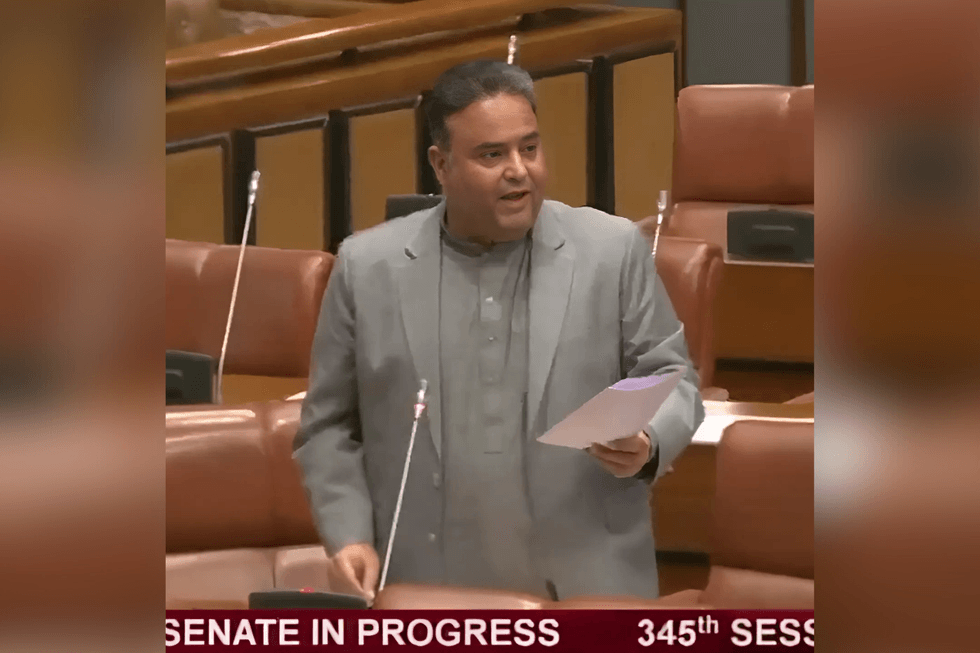 Senator Danesh Kumar speaks during Question Hour at the Senate in Islamabad, Pakistan, January 16, 2025.GoP
Responding to Kumar's question about these specific cases, Dar stated that the Foreign Ministry had "fully complied" with the Supreme Court's directions regarding the return of employees posted on deputation in both cases.
The practice has long faced criticism for allowing well-connected officials to secure choice postings outside their departments, often creating a revolving door of bureaucrats who lack specialized knowledge while leaving gaps in their original departments. A 2016 investigation found officers on deputation were creating obstacles in economic ministries' routine work due to their affiliations with top bureaucrats.
Current rules allow officials to serve three years on deputation, with possible two-year extensions. The Supreme Court ruled in October 2023 that while such transfers are legal, they should be used only when departments need specific expertise they lack internally. The court also held that officials can be recalled from deputation at any time by the competent authority, and such decisions cannot be questioned.
Past court proceedings
In 2016, the Supreme Court ordered officers on deputation in the Pakistan Secretariat to return to their parent departments. The Establishment Division issued repatriation orders that required compliance within seven days. Then-Chief Justice Anwar Zaheer Jamali noted during proceedings that government officials had begun using deputation as a means for quick career progression.
The case involved multiple officers, including one Grade-18 official at the Economic Affairs Division who held three concurrent positions: UN Section Officer, UN deputy secretary, and Foreign Training Centre secretary.
Records showed she had attended multiple international events: an Asian Development Bank workshop in South Korea, debt management training in Geneva, Colombo-Plan training in India, and a transport workshop in Singapore, despite existing restrictions on using project funds for foreign travel. The Establishment Division issued orders on April 8 for her return to the Capital Development Authority, where she had been originally posted.
These proceedings laid groundwork for subsequent court interventions, including the 2023 Supreme Court ruling that emphasized deputation should be limited to cases where departments specifically lack required expertise.




Comments
See what people are discussing