

Pakistan activates 'crisis unit' amid rising tensions in Middle East
Foreign Office issues Gulf advisory after reports of Iran supreme leader’s death

Aamir Abbasi
Editor, Islamabad
Aamir; a journalist with 15 years of experience, working in Newspaper, TV and Digital Media. Worked in Field, covered Big Legal Constitutional and Political Events in Pakistan since 2009 with Pakistan’s Top Media Organizations. Graduate of Quaid I Azam University Islamabad.
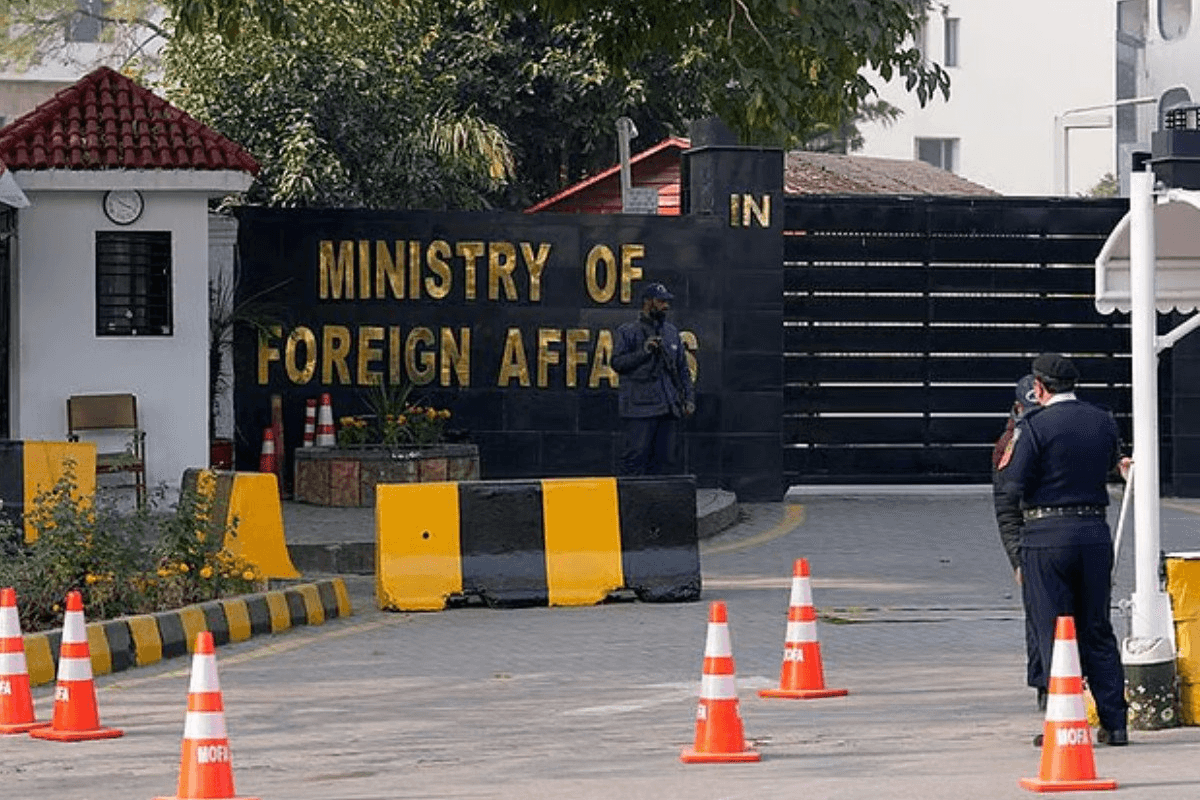
Pakistan’s Ministry of Foreign Affairs said Sunday it has activated a Crisis Management Unit to monitor rapidly evolving tensions in the Middle East and the Persian Gulf, according to an official press release issued by the Office of the Spokesperson.
The Foreign Office said the unit will operate 24/7 to provide information and emergency assistance to Pakistani nationals. Citizens seeking help have been advised to contact the unit at +92-51-9207887.
In its advisory, the ministry urged Pakistani nationals residing in the Gulf region to exercise caution, remain indoors where possible, avoid unnecessary travel and follow instructions issued by host governments.
The Foreign Office said emergency contact details have been shared for Pakistani embassies and consulates in Iran, Saudi Arabia, United Arab Emirates, Qatar, Bahrain, Kuwait, Oman, Jordan, Iraq and Syria.
In Iran, emergency contacts were issued for the Embassy of Pakistan in Tehran and consulates in Zahidan and Mashhad. In Saudi Arabia, assistance is available through the embassy in Riyadh and the Consulate General in Jeddah.
The ministry said missions in the United Arab Emirates, including the embassy in Abu Dhabi and the Consulate General in Dubai, have also issued hotline numbers. Dedicated emergency contacts were announced for Pakistani missions and community welfare officials in Qatar, Bahrain, Kuwait, Oman, Jordan, Iraq and Syria.
The advisory, issued from Islamabad under reference number 59/2026, said the safety and security of Pakistani nationals abroad remains a top priority and that necessary measures are being taken to respond to emergencies.
The move came hours after the United States and Israel said an airstrike killed Iran’s Supreme Leader Ali Khamenei as part of what they described as a military campaign to overthrow the government of the Islamic Republic. Iran’s state media confirmed that the 86-year-old leader had died.
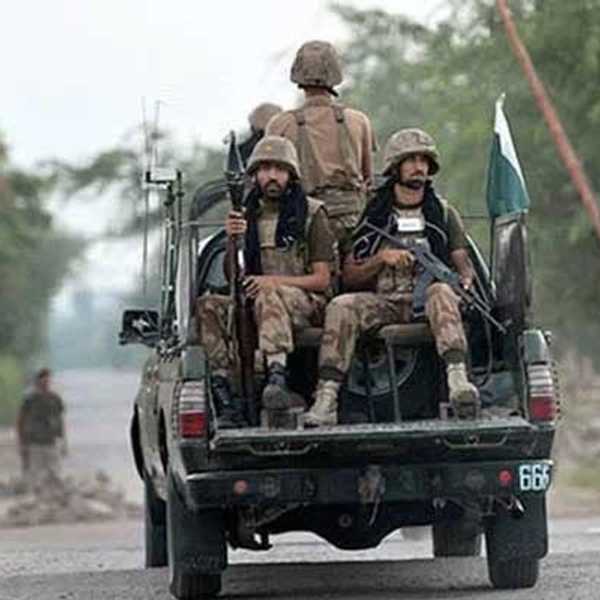
The assassination sparked protests in Pakistan. At least 10 people were killed and 30 injured when protesters stormed the U.S. Consulate in Karachi.
Separately, Interior Minister Mohsin Naqvi described the day as one of “profound grief” for the Muslim world, Iran and the people of Pakistan.
Speaking to media in Islamabad, Naqvi said every citizen of Pakistan shares the sorrow being experienced by Iranians following Khamenei’s reported killing. He expressed solidarity with Iran and urged citizens to remain peaceful.
Naqvi appealed to the public not to take the law into their own hands and to record any protest in a peaceful manner. He said maintaining law and order was essential and assured that the government would ensure security across the country.
Authorities have called for restraint amid heightened regional tensions and emotional reactions in parts of Pakistan following the news.




Comments
See what people are discussing