A parliamentary committee in Pakistan on Tuesday rejected a proposed law designed to curb the practice of dowry, despite its provisions for strict penalties, citing existing legislation and concerns the bill could be misused or exacerbate family disputes.
The Dowry Restraint Bill 2025, introduced by Pakistan Peoples Party lawmaker Sharmila Faruqui, sought to prohibit giving, taking, or demanding dowry in the Islamabad Capital Territory while allowing voluntary bridal gifts without coercion. It also aimed to ensure that all gifts received by a bride, before or after marriage, would legally remain her personal property.
Under the proposed law, anyone found giving, taking, or facilitating dowry could face imprisonment of up to five years and a fine of at least 250,000 rupees (about $1,500) or the value of the dowry, whichever was higher. Demanding dowry, directly or indirectly, could attract up to two years in prison and fines of up to 250,000 rupees.
The bill also included penalties for advertising dowry-related offers, including up to two years in jail and fines of 100,000 rupees. Offences were to be treated as cognizable, non-bailable, and non-compoundable, with the burden of proof placed on the accused.
Besides, the bill required that any dowry or bridal gifts received by someone other than the bride be transferred to her within three months of marriage or receipt. Failure to comply could result in up to three years’ imprisonment and additional fines.
While the Islamabad Capital Territory administration acknowledged the social harm caused by dowry, it raised concerns about duplication with existing laws and enforcement challenges.
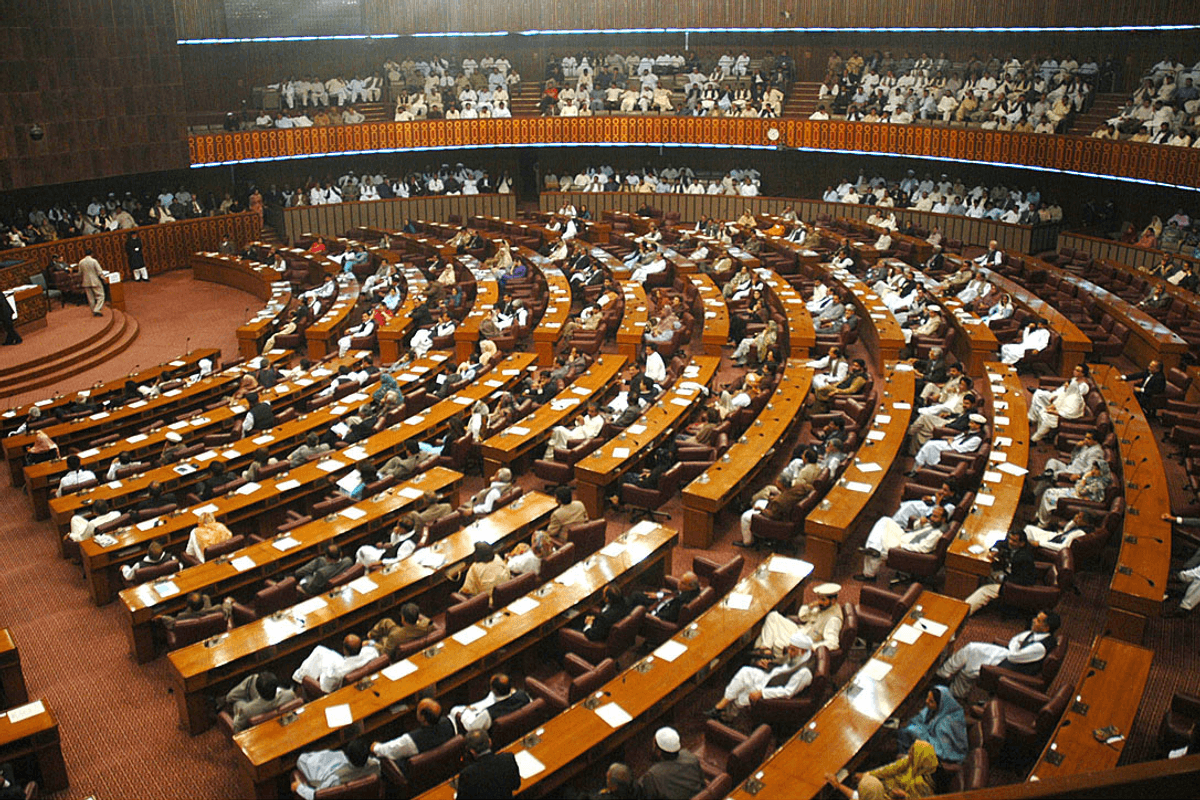
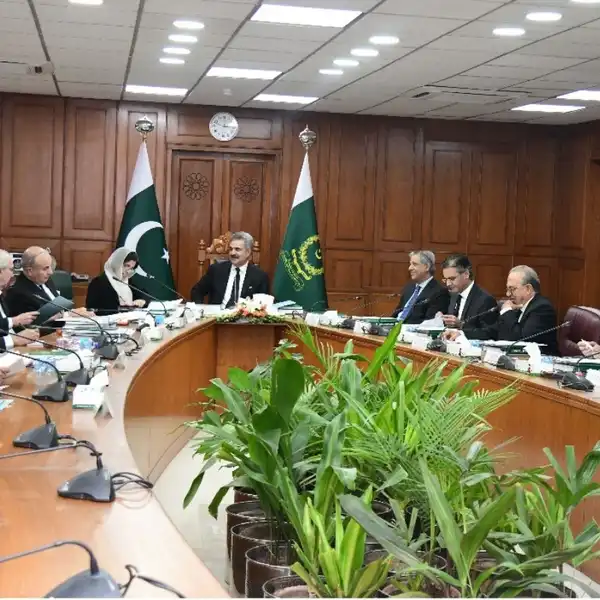
The National Assembly Standing Committee on Interior ultimately rejected the bill during its session on Tuesday.
Speaking to Nukta after the decision, Faruqui said the legislation was intended to eliminate dowry demands while protecting women’s financial rights.
She described dowry as a social curse and emphasized that the bill permitted voluntary wedding gifts without pressure or expectation. Faruqui added that recognizing bridal gifts as a woman’s legal property would strengthen her financial security after marriage.
Raja Khurram Nawaz, chairman of the standing committee, defended the decision, noting that Pakistan already has laws dating back to 1948, revised in 1976, to regulate wedding expenditures and dowry practices.
He told Nukta that committee members feared the bill could “open a Pandora’s box,” encouraging complaints, litigation, and false accusations during marital disputes. Nawaz added that while dowry is a social evil, parents should be able to voluntarily give gifts, and the core issue lies in poor enforcement of existing laws.
Another committee member, Khawaja Izhar ul Hassan, also opposed the bill. He said placing the responsibility on brides or their parents to file complaints was impractical and could permanently damage family relationships. He questioned the bill’s effectiveness, noting it did not impose limits on wedding gifts and lacked a workable enforcement mechanism. Without strict oversight, he argued, weddings would continue unchanged.
Both lawmakers emphasized that reforms should focus on strengthening and enforcing existing legislation rather than introducing new laws that could create legal and social complications.







Comments
See what people are discussing