Pakistan on Wednesday urged Iran and the United States to exercise maximum restraint after renewed fighting threatened to unravel the U.S.-Iran peace process. Islamabad called on both sides to honor the Islamabad Memorandum of Understanding and return to dialogue, as the truce faced its sharpest test since being signed.
Why is the U.S.-Iran truce falling apart?
Renewed fighting broke out after Iran reportedly targeted three commercial ships in the Strait of Hormuz, prompting the United States to revoke an oil sanctions waiver and strike more than 80 Iranian military targets. President Donald Trump declared the ceasefire "over" while speaking at a NATO summit in Turkey, saying Iran had violated the Memorandum's terms. Iran's Revolutionary Guards said they retaliated by striking U.S. military bases in Bahrain and Kuwait.
What has Pakistan said about the escalation?
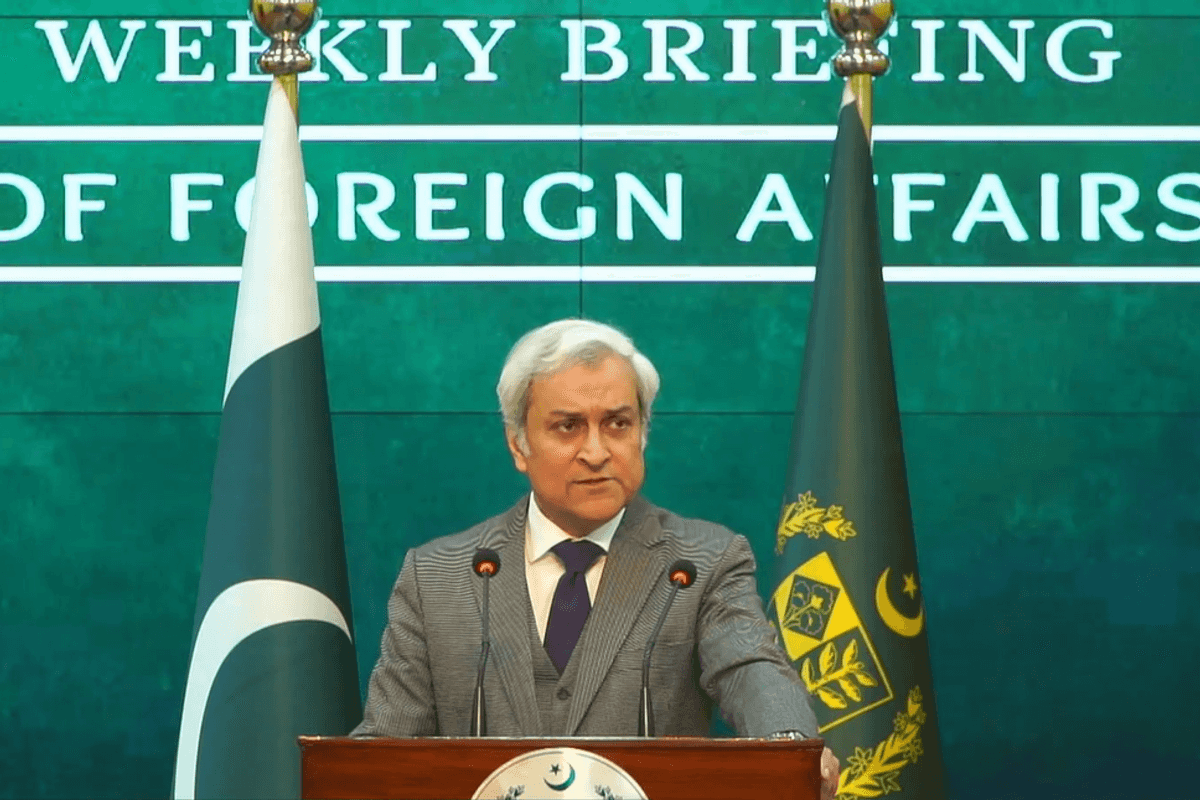
Pakistan's Ministry of Foreign Affairs said it was deeply concerned by the escalating tensions and warned that renewed conflict was "in no one's interest." The Foreign Office said dialogue and diplomacy remained the only viable path to lasting peace, urging all parties to uphold their commitments under the Islamabad Memorandum. The ministry reaffirmed Pakistan's readiness to continue playing a constructive role in preserving regional stability.
What does the Islamabad Memorandum of Understanding say?
The Islamabad Memorandum, signed on June 17, 2026, established a 14-point interim framework to end hostilities and pave the way for a comprehensive peace and nuclear agreement. Both countries agreed to halt military operations immediately and negotiate a permanent settlement within 60 days. The United States committed to easing sanctions and lifting its naval blockade in phases, while Iran agreed to ensure safe passage through the Strait of Hormuz and reaffirmed it would not pursue nuclear weapons.
Trump accused Iranian leaders of lying and described them as "sick people," though he said negotiations could still continue despite the collapse of the framework's terms. The U.S. strikes targeted air defense systems, coastal radar installations and dozens of Revolutionary Guard boats, with U.S. Central Command saying the operation aimed to reduce Iran's ability to attack commercial shipping in the Strait of Hormuz.







Comments
See what people are discussing