

Pakistan wheat imports: Cereal traders urge government to act to avert supply crunch
Pakistan wheat imports of up to 4 million tonnes urged by cereal traders to avert a supply crunch and rising prices

Business Desk
The Business Desk tracks economic trends, market movements, and business developments, offering analysis of both local and global financial news.
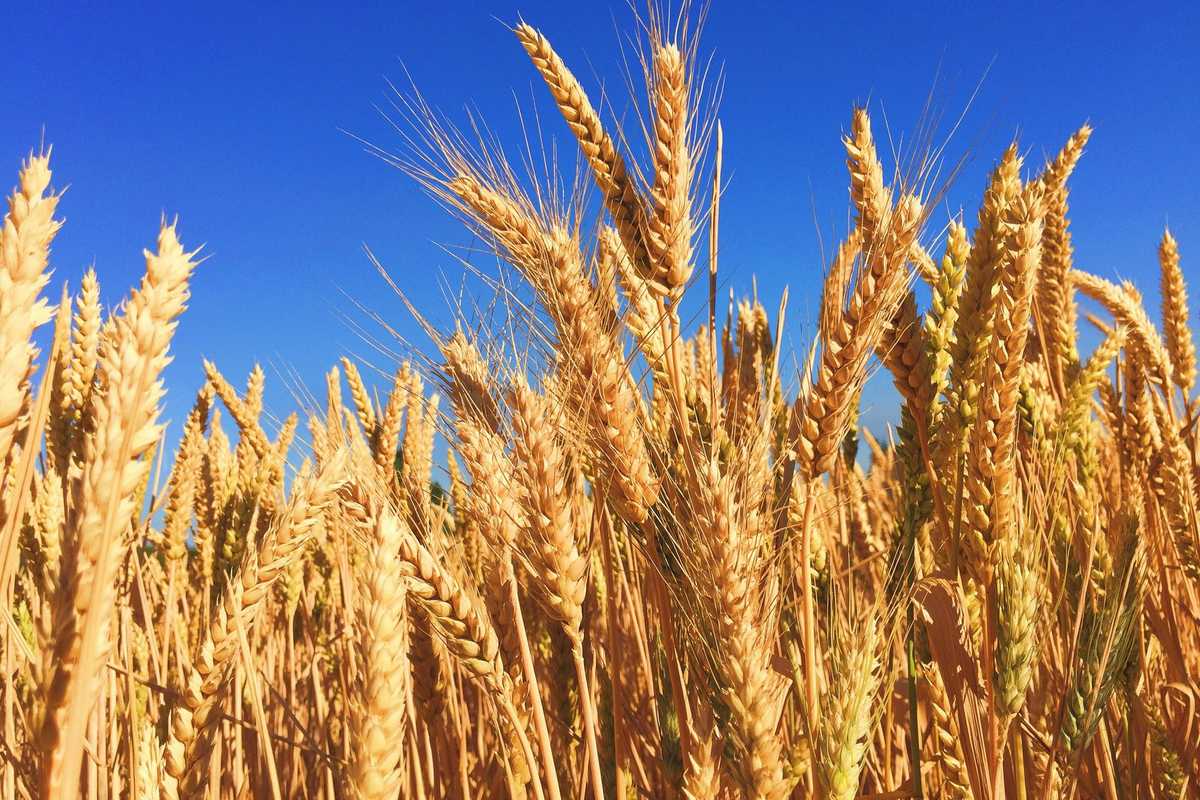
The Cereal Association of Pakistan (CAP) has urged the federal government to immediately allow the private sector to import up to 4 million metric tons of wheat.
In a letter addressed to Prime Minister Shehbaz Sharif, the association warned that delays could trigger fresh supply shortages and drive up prices.
Why are cereal traders demanding wheat imports?
CAP said wheat prices are rising almost daily and market indicators suggest another supply crunch could emerge without timely intervention.
It urged the government to approve imports in two phases: an immediate authorization for 2 million metric tons, followed by another 2 million metric tons based on market conditions and national supply requirements.
What import timeline has CAP proposed?
CAP proposed that import permits remain valid until January 2027, with imported wheat allowed to be sold until February 2027, ahead of the arrival of the next domestic harvest in March.
It said this timeline would help bridge supply gaps without affecting local farmers during the harvesting season.
How have past private-sector wheat imports performed?
The association pointed to the previous private-sector import policy as evidence of its effectiveness, saying traders imported about 3.7 million metric tons of wheat without government subsidies or financial support.
Those imports increased domestic supplies and reduced wheat prices from around PKR 123 per kilogram to about PKR 95 per kilogram, providing relief to consumers, it said.
Why does CAP prefer private imports over government procurement?
CAP argued that private-sector imports are more fiscally efficient than government procurement because they do not require public financing or subsidies.
Unlike government imports, which typically rely on bank borrowing and incur interest costs, private traders finance purchases through their own commercial arrangements, it said. The association added that private imports also generate government revenue through customs duties, taxes, port charges, handling fees and other statutory levies, without adding pressure on the national exchequer.
How much could wheat prices fall with private imports?
According to CAP, allowing immediate imports could lower wheat prices by around PKR 15-20 per kilogram in Karachi and about PKR 10 per kilogram in Punjab and Khyber Pakhtunkhwa. This would ease inflationary pressures and improve food affordability, the association said. It warned that further delays could lead to supply shortages, higher prices, panic buying, market volatility and increased hardship for consumers.
CAP also called for an open, transparent and competitive import policy without quotas, monopolies or discriminatory restrictions. It said equal access for all eligible importers would encourage competition and help ensure adequate supplies.
Which ports can handle Pakistan's wheat imports?
CAP said Karachi Port and Port Qasim have a combined wheat handling capacity of about 550,000 metric tons and are well positioned to manage immediate imports. While Gwadar Port offers long-term potential, operational and labor constraints make Karachi Port and Port Qasim the most practical entry points at present.
The association urged the government to prioritize berthing for wheat vessels, expedite customs clearance, ensure uninterrupted inland transportation and coordinate with relevant agencies to speed up distribution across the country. CAP said the private sector stands ready to support the government in maintaining uninterrupted wheat supplies and requested a meeting with the prime minister to present its market assessment and recommendations.





Comments
See what people are discussing