

Pakistan forces recover explosives from North Waziristan mosques
Security forces cleared two hideouts inside North Waziristan mosques, as President Zardari, PM Shrif and Governor Kundi condemned the misuse of worship places.

News Desk
The News Desk provides timely and factual coverage of national and international events, with an emphasis on accuracy and clarity.
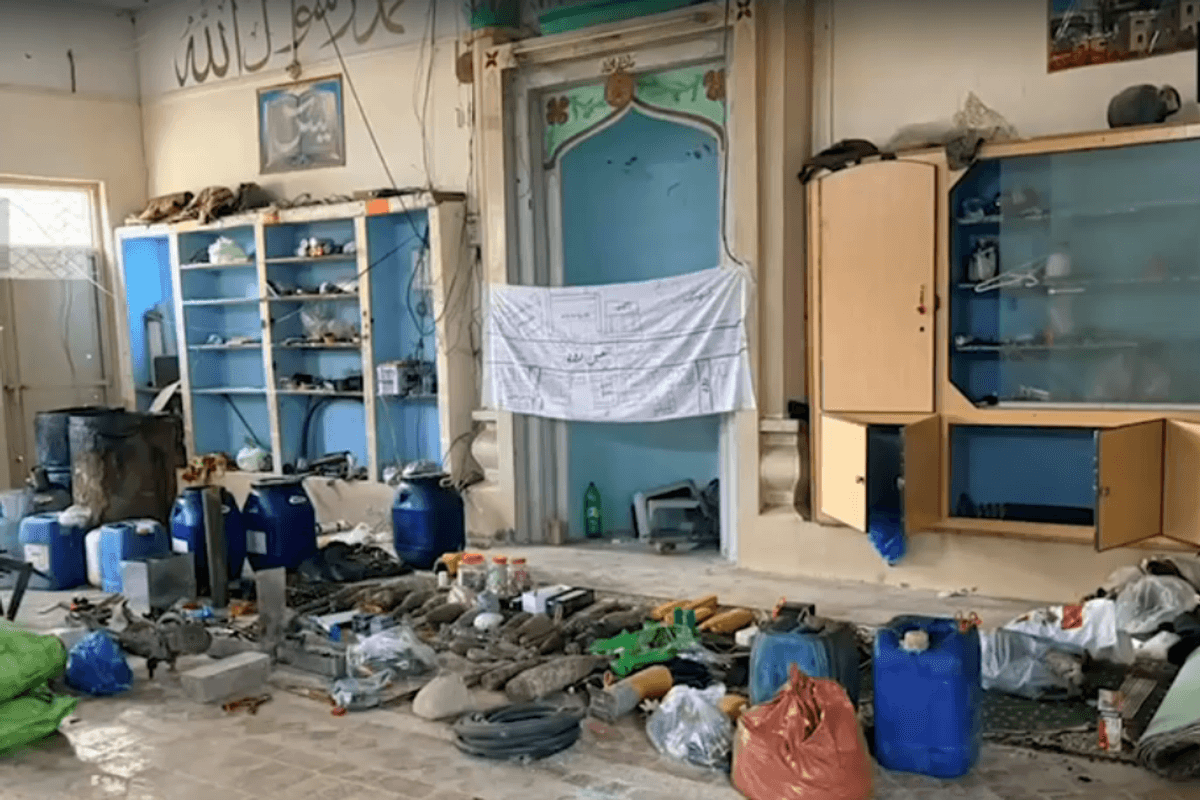
Troops recovered prepared improvised explosive devices (IEDs), bomb-making materials, weapons and ammunition from the two mosques.
ISPR
Pakistani security forces cleared two alleged militant hideouts inside mosques in Muzak village, near Mir Ali in North Waziristan, on Nov. 8, the military said Monday. Troops recovered explosives, weapons and ammunition after intelligence reports linked the sites to Fitna al-Khawarij. President Asif Zardari, Prime Minister Shehbaz Sharif and Khyber Pakhtunkhwa Governor Faisal Karim Kundi condemned the use of places of worship for militant activity.
What did security forces find in the North Waziristan mosques?
Troops recovered prepared improvised explosive devices (IEDs), bomb-making materials, weapons and ammunition from the two hideouts. The military said the group used the mosques to store explosives and operate torture cells. Security forces searched and cleared both sites, and clearance operations continue in the area.
Where and how was the operation carried out?
The operation took place on Nov. 8 in Muzak village, on the southern outskirts of Mir Ali in North Waziristan. It followed intelligence reports about hideouts belonging to what the military described as the Indian-backed group Fitna al-Khawarij. The details came in a statement from the Inter-Services Public Relations (ISPR), the military's media wing.
Why did the military condemn the use of mosques?
The military condemned the use of places of worship for such activities, saying it showed the group's disregard for the fundamental teachings of Islam. The ISPR said the group, which it referred to as the Kharjis, had no connection with Islam. It accused the group of promoting a distorted interpretation and misuse of the religion.
How did President Zardari and the prime minister react?
President Asif Ali Zardari paid tribute to the security forces for the successful intelligence-based operation (IBO), praising their professionalism. "Using mosques to store explosives and as centers of violence is a blatant violation of Islam's fundamental teachings," he said on X.
صدرِ مملکت آصف علی زرداری کا شمالی وزیرستان کے علاقے میر علی میں دہشت گردوں کے ٹھکانوں کے خلاف کامیاب انٹیلی جنس بیسڈ آپریشن پر سیکیورٹی فورسز کو خراجِ تحسین۔صدرِ مملکت نے مساجد میں قائم دہشت گردوں کے ٹھکانوں سے بارودی مواد، اسلحہ اور گولہ بارود برآمد کرنے پر سیکیورٹی فورسز کی پیشہ ورانہ مہارت اور کامیابی کو سراہا۔مساجد کو بارودی مواد ذخیرہ کرنے اور تشدد کے مراکز کے طور پر استعمال کرنا اسلام کی بنیادی تعلیمات کی صریح خلاف ورزی ہے: صدرِ مملکتدہشت گردوں کی جانب سے مقدس مقامات کی بے حرمتی اور انہیں اپنے مذموم مقاصد کے لیے استعمال کرنا قابلِ مذمت ہے: صدر آصف علی زرداریافغان طالبان کی معاونت سے سرگرم دہشت گرد عناصر کا اسلام سے کوئی تعلق نہیں، مذہب کی من پسند تشریح اور ناجائز استعمال ناقابلِ قبول ہے: صدرِ مملکتفتنہ الخوارج کی دہشت گردانہ کارروائیاں اور مساجد کی بے حرمتی ان کے اسلام دشمن عزائم کا واضح ثبوت ہیں: صدر زرداری
— The President of Pakistan (@PresOfPakistan) November 9, 2026
Prime Minister Shehbaz Sharif also praised the security forces for what he described as a successful IBO and commended their professionalism. In a statement issued by the Prime Minister's Office, he said using mosques to store explosives and operate torture centers was a clear desecration of Islam and sacred places.
The prime minister said the use of mosques for terrorist activities by Fitna al-Khawarij, which he described as operating under Indian patronage, reflected the group's deviation from the fundamental teachings of Islam. He said operations by security forces and law enforcement agencies would continue with full force to eliminate terrorism.
What did Governor Kundi say about the mosque hideouts?
Governor Kundi also condemned the use of mosques for terrorist activities, saying he was deeply saddened after watching videos of the operation. "Seeing the operation videos made me deeply sad that Fitna Al Khwarij had used mosques for terrorism and storing weapons," he said. He congratulated the security and intelligence agencies on the operation, saying mosques teach peace and the principles of Islam.
Khyber Pakhtunkhwa Governor Faisal Karim Kundi has felicitated security forces on a successful intelligence-based operation in Mir Ali, North Waziristan, condemning the use of mosques for terrorist activities by Fitna Al-Khwarij. He described the incident as deeply distressing, stressing that mosques are places of peace and Islamic preaching. The governor also called for intensified intelligence-based operations to restore peace across KP and reaffirmed his support for security forces in their efforts to bring lasting peace to the province.#FaisalKarimKundi #NorthWaziristan #SecurityForces #PeaceInKP #PakistanTV
— Pakistan TV (@PakTVGlobal) November 9, 2026
Kundi said there had been complaints in the past about the misuse of mosques in the former tribal districts, now part of Khyber Pakhtunkhwa. He added that society would not accept such activities under any circumstances. He said intelligence-based operations would be accelerated to restore peace in the province, and that the provincial government stood alongside security forces in efforts to establish law and order.
What happens next in the counterterrorism campaign?
The military said security forces were continuing clearance operations to locate and eliminate any other alleged Indian-sponsored terrorist hideouts in the area. The ISPR also alleged that the group was supported by the Afghan Taliban.
It added that the counterterrorism campaign under Azm-e-Istehkam, the national security vision approved by the Federal Apex Committee under the National Action Plan, would continue at full pace. The campaign aims to eliminate foreign-sponsored and supported terrorism across Pakistan.




Comments
See what people are discussing