


News Desk
The News Desk provides timely and factual coverage of national and international events, with an emphasis on accuracy and clarity.
Health officials say infections among children in Taunsa are still being detected.
BBC
A government hospital in Pakistan’s Punjab province has come under renewed scrutiny after an undercover investigation by the BBC uncovered alleged malpractice linked to a surge in HIV infections among children, raising fresh concerns over patient safety months after authorities pledged corrective action.
“Stolen Lives: Who Gave Our Children HIV?” — a new documentary by the BBC World Service’s investigative unit BBC Eye — details what it describes as serious lapses in infection control at the Tehsil Headquarters (THQ) Hospital in Taunsa.
The facility was linked to a child HIV outbreak in 2025, prompting provincial authorities to announce a crackdown.
- YouTube www.youtube.com
Unsafe practices suspected behind outbreak
In early 2025, a significant number of HIV cases among children triggered an official inquiry into THQ Taunsa. Doctors at private clinics in the city reported that many of the affected children had previously received treatment at the hospital, fueling suspicions that unsafe injection practices were a key source of transmission.
Parents recounted instances of syringes contaminated with blood being reused on their children. Punjab health authorities acknowledged that 106 children had been infected and announced a “massive crackdown,” suspending the hospital’s Medical Superintendent in March 2025. However, months later, a hospital insider told BBC Eye that conditions remained unchanged.
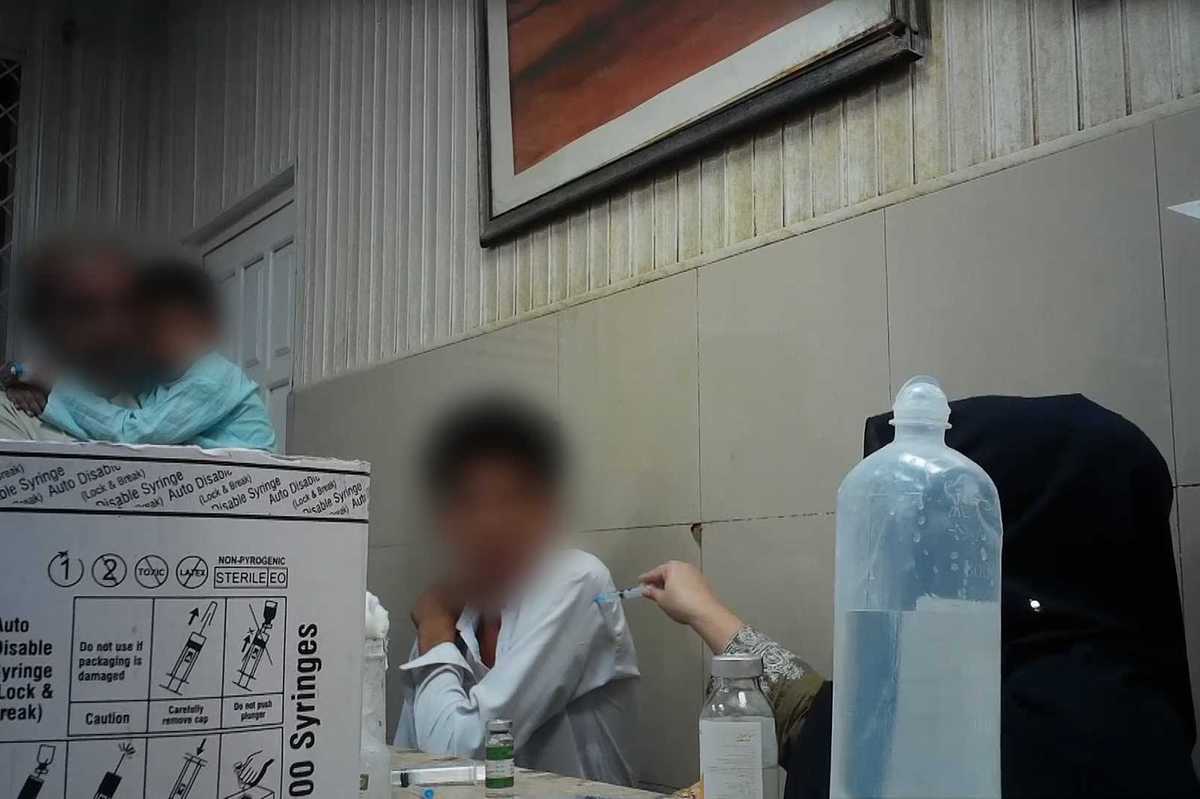
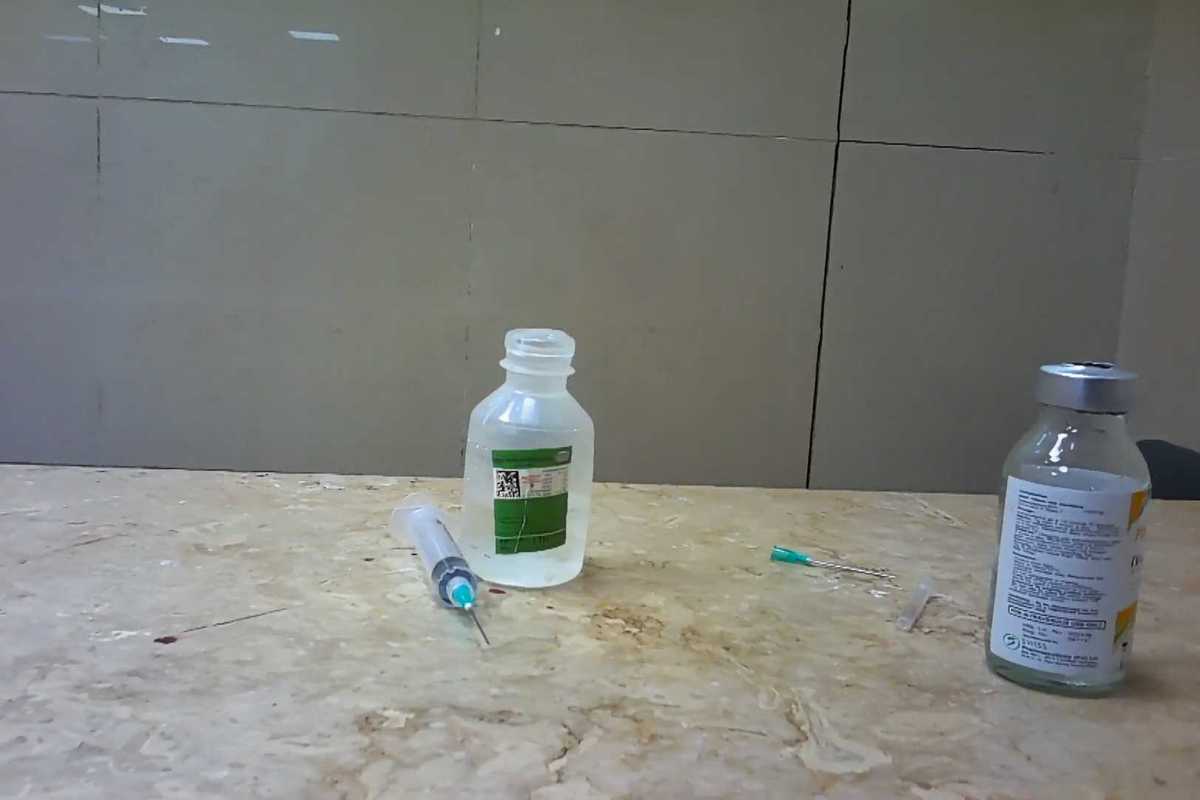
Acting on this information, the BBC conducted undercover filming inside the children’s ward in late 2025. Footage recorded over several weeks appears to show repeated breaches of basic medical protocols, including nurses administering injections through patients’ clothing, reuse of syringes and unqualified volunteers injecting multiple children using a single, blood-contaminated vial.
The investigation also documented broader safety concerns, including staff handling medical waste without protective equipment, exposed syringes and needles, and unauthorized individuals operating in restricted areas without supervision.
 BBC
BBC
Shortages, denials and official response
According to the report, chronic staff shortages and supply constraints may be exacerbating the situation. In some cases, families were asked to procure their own medicines, while overstretched staff reportedly reused equipment or shared medication between patients to stretch limited resources.
The documentary further highlights the scale of the outbreak. BBC analysis found that at least 331 children in Taunsa tested positive for HIV between November 2024 and October 2025. Among parents who consented to testing, fewer than one in 20 were HIV-positive, suggesting a non-familial source of transmission. New infections were also recorded after the March 2025 intervention.
Dr Altaf Ahmed, a consultant microbiologist and infectious disease expert, reviewed the footage and said the practices observed posed a high risk of transmitting blood-borne infections, including HIV. “The chances are very high,” he said, citing contamination of shared vials.
BBC Eye also presented its findings to the hospital’s current Medical Superintendent, Dr Qasim Buzdar, who was appointed following the outbreak. He initially suggested the footage predated his tenure and later questioned its authenticity when told it was recent, maintaining that infection control protocols were being followed. In a statement, local authorities said there was “no validated epidemiological evidence” conclusively identifying THQ Taunsa as the source of the outbreak.
The hospital’s former Medical Superintendent, Dr Tayyab Chandio, also denied responsibility. BBC investigators found that weeks after his suspension in March 2025, he was reassigned to another government clinic in Punjab, where he continues to treat children. Authorities said no inquiry had legally barred him from practice.
 BBC
BBC
Human toll and continuing infections
The documentary also documents the human toll of the outbreak through affected families. Reporter Ghazal Abbasi speaks to parents coping with the consequences of a life-threatening disease, with some having already lost children.
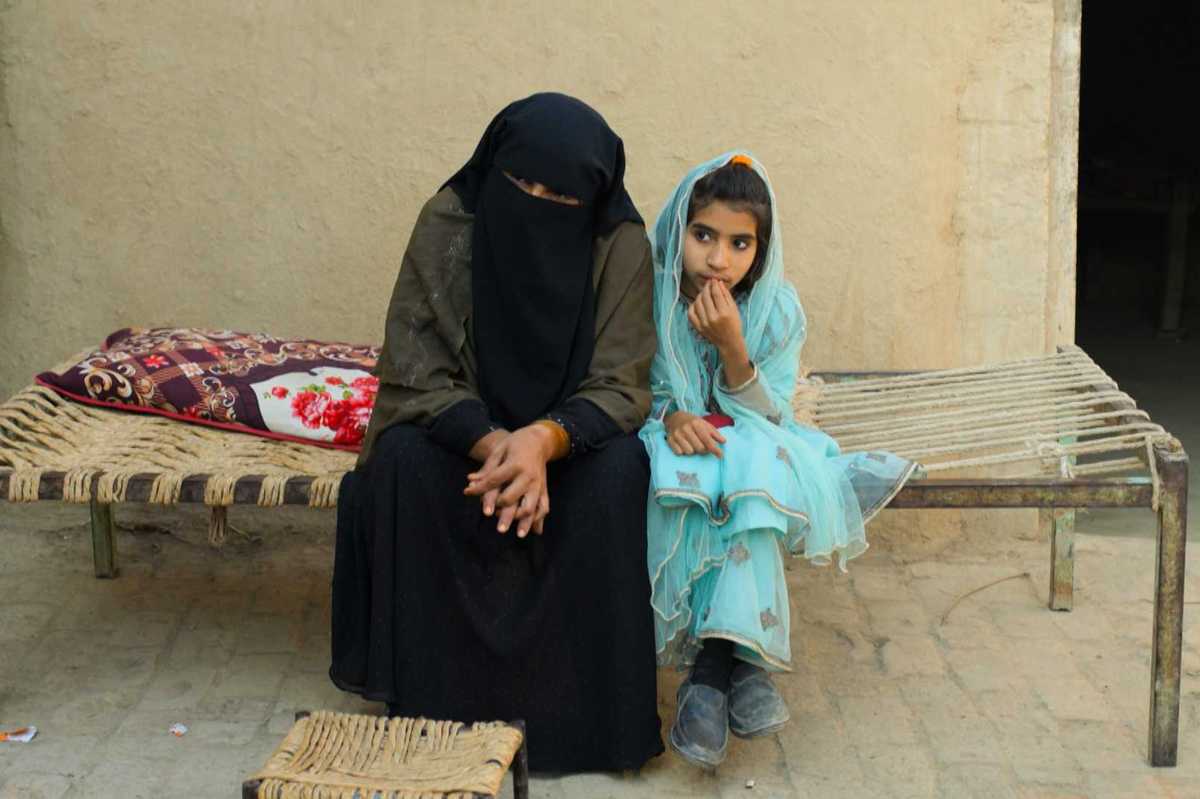
Among them is eight-year-old Mohammed Amin, who was diagnosed in late 2025 and died before treatment could take effect. Weeks later, his 10-year-old sister Asma also tested positive. Both had received injections at THQ Taunsa. Their mother, Sughra Bibi, who tested negative for HIV, believes the hospital was responsible.
While medication is helping Asma survive, her family says stigma continues to isolate her. A relative, Qari Abid, told the BBC that other children in the neighborhood avoid her. “She asks her mother, ‘What is wrong with me?’” he said.
Despite the challenges, Asma told BBC Eye she remains committed to her studies and hopes to become a doctor.
Health officials say infections among children in Taunsa are still being detected, with 19 new cases identified in the past four months. To date, nine children in the area have died after contracting HIV.




Comments
See what people are discussing