

Pakistan inflation hits 10.9% in April 2026 as fuel prices surge, Economic Survey shows
Pakistan's inflation jumped to 10.9% in April 2026 as fuel prices surged, though the full-year average held at 6.2%, the Economic Survey shows

Business Desk
The Business Desk tracks economic trends, market movements, and business developments, offering analysis of both local and global financial news.
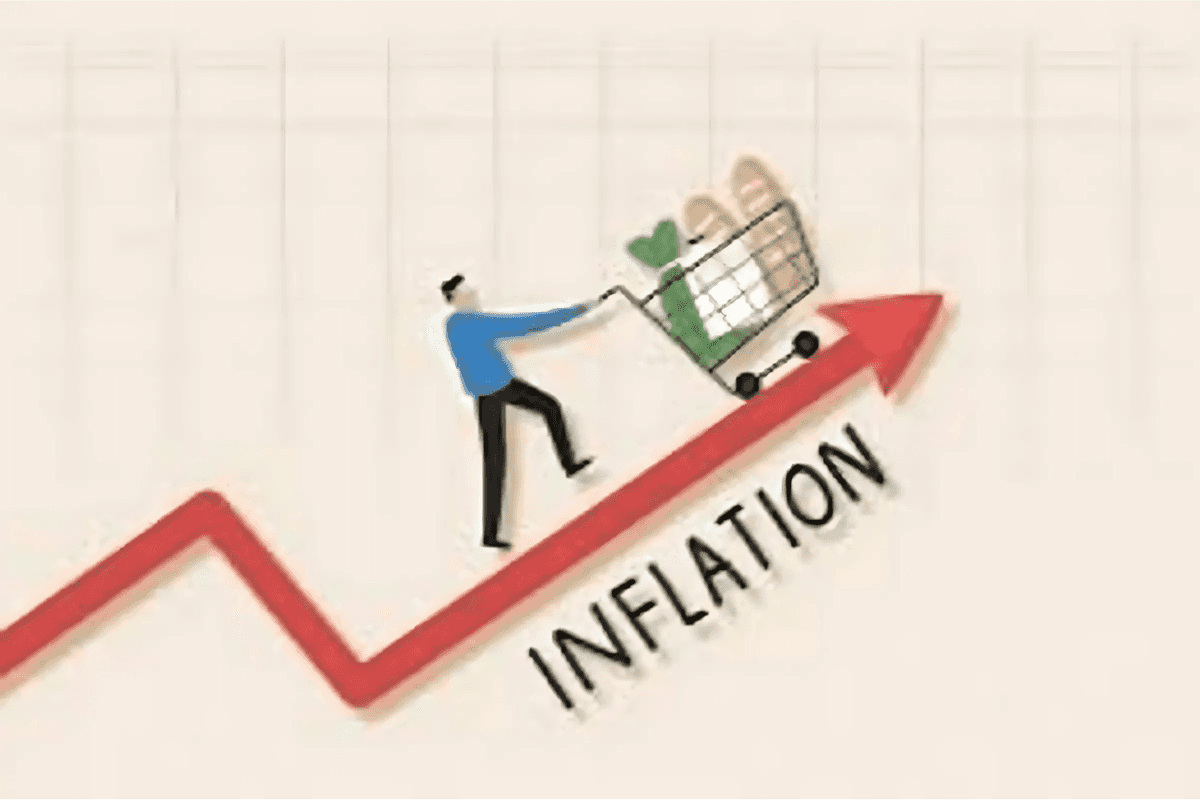
Pakistan's inflation accelerated sharply in April 2026, rising to 10.9% compared with just 0.3% in the same month a year earlier, according to the Economic Survey released on Thursday.
The surge was driven largely by higher international crude oil prices that pushed up domestic fuel costs. Despite the spike, average consumer price inflation for July to April stood at 6.2%, up from 4.7% in the same period of the previous fiscal year.
What is driving Pakistan's inflation in FY2025-26?
Higher global oil prices were the primary driver of Pakistan's inflation increase, pushing up domestic fuel and energy costs. The April 2026 reading of 10.9% reflected the direct pass-through of petroleum price movements into the consumer price index. Policy measures, including tighter monetary and fiscal management and exchange rate stabilisation, helped contain the broader impact.
The survey showed mixed trends across urban and rural markets. Urban food inflation averaged 3.6% during July to April, up from 1.1% a year earlier, while urban non-food inflation eased to 8.0% from 9.1%. In rural areas, food inflation stood at 4.7%, reversing a 1.5% decline recorded in the same period last year.
How is core inflation trending in Pakistan?
Core inflation, which strips out volatile food and energy prices, showed signs of easing across both urban and rural areas. Urban core inflation averaged 7.2%, down from 8.8% a year earlier, while rural core inflation fell more sharply to 8.2% from 11.6%. The declining core readings suggest underlying price pressures were moderating even as headline inflation rose.
Wholesale price inflation edged up marginally to 2.3% during the review period, compared with 2.2% a year earlier. The Sensitive Price Indicator, which tracks short-term price movements of essential commodities, rose 4.1%, down from 4.9% in the previous year. Both readings pointed to contained price pressures outside the energy-driven spike.
The government said its coordinated policy response combined tighter monetary and fiscal management with improved supply monitoring, rationalisation of import duties and exchange rate stabilisation efforts. These measures helped cushion the impact of external shocks despite renewed pressure from higher global energy prices. The Economic Survey 2025-26 was released ahead of the federal budget for fiscal year 2026-27 as an official assessment of economic performance in the outgoing year.




Comments
See what people are discussing